
Former Israeli Prime Ministers Bennett and Lapid Form Historic Alliance to Challenge Netanyahu in Upcoming Elections
In a dramatic shift in Israel’s political landscape, two former prime ministers—Naftali Bennett and Yair Lapid—have announced a groundbreaking alliance aimed at unseating Benjamin Netanyahu in the upcoming national elections. The move, unveiled during a joint press conference in Herzliya on Sunday, marks the first time in Israel’s history that a centrist and a right-wing leader have united under a single political banner, signaling a potential turning point in the country’s deeply polarized political climate.
The new coalition, named “Together”, merges Bennett’s right-wing Bennett 2026 party with Lapid’s centrist There is a Future (Yesh Atid). Bennett, who served as prime minister from June 2021 to June 2022, will lead the unified party, while Lapid, who briefly held the premiership in 2022, will play a key role in shaping its platform. The alliance is a strategic response to Netanyahu’s long-standing dominance in Israeli politics, as well as the fragmentation of the opposition, which has struggled to present a viable alternative to the current government.
“I am pleased to announce that tonight, together with my friend Yair Lapid, I am taking the most Zionist and patriotic step we have ever taken for our country,” Bennett declared during the televised announcement. Lapid, in turn, emphasized the trust between the two leaders despite their ideological differences. “Bennett is a right-wing politician, but an honest one, and there is trust between us,” he said. “This move is intended to unite the bloc, put an end to internal divisions, and focus all efforts on winning the critical upcoming elections—and leading Israel forward into the future.”
The Political Context: Why This Alliance Matters
Netanyahu, Israel’s longest-serving prime minister, has faced mounting challenges in recent years, including mass protests over judicial reforms, ongoing conflicts in Gaza and Lebanon, and a recent diagnosis of prostate cancer. While Netanyahu has vowed to continue his political career, his leadership has been increasingly scrutinized, both domestically and internationally. The formation of the Bennett-Lapid alliance reflects a growing consensus among opposition leaders that only a united front can effectively challenge Netanyahu’s Likud party and its far-right coalition partners.
The upcoming elections, expected to be held later in 2026, will be a critical test for Israel’s democracy. Netanyahu’s government has been accused of eroding democratic institutions, particularly through its controversial judicial overhaul, which sparked widespread protests in 2023. The Bennett-Lapid alliance has positioned itself as a defender of Israel’s democratic values, promising to restore checks and balances while addressing the country’s security and economic challenges.
Bennett and Lapid previously governed together in a fragile coalition from 2021 to 2022, which collapsed amid infighting and defections. Their decision to reunite underscores the urgency of the current political moment. “We’ve learned from our past mistakes,” Lapid told reporters. “This time, we are committed to staying united and delivering real change for Israel.”
Who Are Naftali Bennett and Yair Lapid?
Naftali Bennett, 54, is a former tech entrepreneur and right-wing politician who served as prime minister from June 2021 to June 2022. A staunch nationalist, Bennett has been a vocal advocate for Israeli settlements in the West Bank and a hardline stance against Iran. Before entering politics, he co-founded the cybersecurity firm Cyota, which was sold to RSA Security for $145 million in 2005. Bennett’s political career includes stints as Minister of Education and Minister of Defense under Netanyahu, though the two later became political rivals.
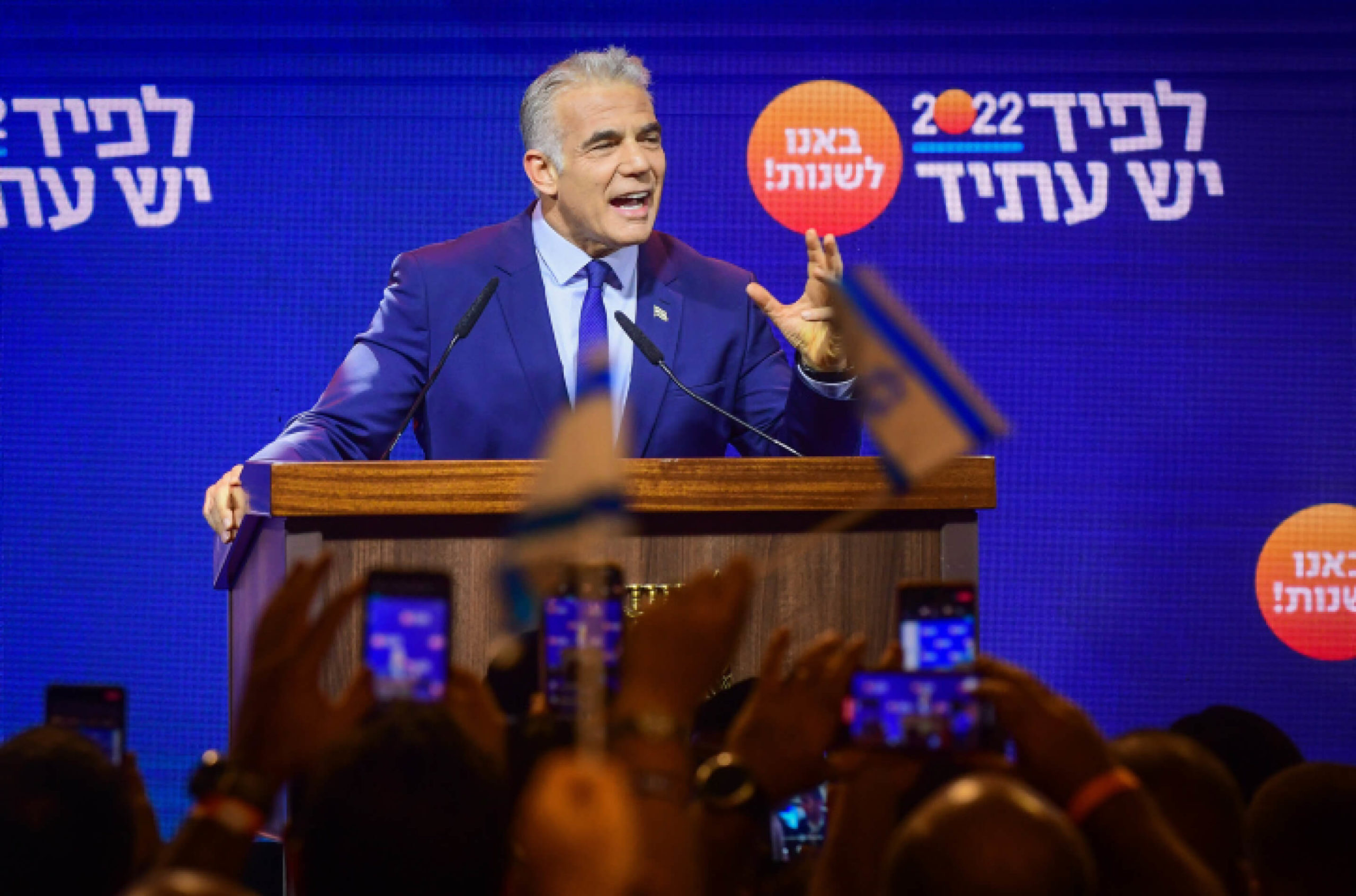
Yair Lapid, 62, is a former journalist and centrist politician who briefly served as prime minister in 2022 following Bennett’s resignation. Lapid is the founder of Yesh Atid, a centrist party that advocates for secularism, economic reform, and a two-state solution to the Israeli-Palestinian conflict. Before entering politics, Lapid was a prominent television host and columnist, known for his moderate views and appeal to Israel’s middle class. His political career has been marked by efforts to bridge the gap between Israel’s secular and religious communities.
Despite their ideological differences—Bennett is a right-wing nationalist, while Lapid is a centrist—both leaders share a deep opposition to Netanyahu’s leadership. Their alliance is a pragmatic move to consolidate the opposition vote, which has been splintered across multiple parties in recent elections. “We may not agree on everything, but we agree on one thing: Israel needs a new direction,” Bennett said.
Netanyahu’s Challenges: Cancer, Protests, and Political Instability
Netanyahu’s political future has been clouded by a series of personal and professional setbacks. In April 2026, he revealed that he had been diagnosed with prostate cancer, though he assured the public that the condition was treatable and would not affect his ability to govern. The diagnosis has fueled speculation about his long-term political viability, particularly as he faces multiple corruption trials, which have been a source of controversy throughout his career.
Netanyahu’s legal troubles stem from three ongoing cases, including charges of fraud, breach of trust, and bribery. While he denies any wrongdoing, the trials have overshadowed his political agenda and contributed to public distrust. In a statement following his cancer diagnosis, Netanyahu emphasized his determination to continue leading Israel. “I will fight this illness with the same determination with which I have fought for our country,” he said. However, the diagnosis has added another layer of uncertainty to an already volatile political environment.
In addition to his legal and health challenges, Netanyahu has faced widespread protests over his government’s judicial reforms, which critics argue threaten Israel’s democratic foundations. The reforms, which include measures to limit the power of the Supreme Court and offer the government greater control over judicial appointments, have sparked mass demonstrations and drawn condemnation from international leaders, including U.S. President Joe Biden. The Bennett-Lapid alliance has pledged to reverse these reforms if elected, positioning itself as a bulwark against what it describes as Netanyahu’s authoritarian tendencies.
What Happens Next? The Road to the 2026 Elections
The formation of the Bennett-Lapid alliance has injected new energy into Israel’s political opposition, but the path to unseating Netanyahu remains fraught with challenges. The upcoming elections will likely be a referendum on Netanyahu’s leadership, with voters weighing his security credentials against his legal troubles and the controversies surrounding his government.
Recent polls suggest that the race is tightening, with the Bennett-Lapid alliance gaining ground. A survey conducted by the Haaretz newspaper in late April 2026 showed the alliance securing 30 seats in the Knesset, Israel’s parliament, compared to 35 seats for Netanyahu’s Likud party. While Likud still holds a narrow lead, the poll indicates that the opposition is gaining momentum, particularly among undecided voters and those disillusioned with Netanyahu’s leadership.
The election date has not yet been officially set, but Israeli law requires that elections be held by November 2026. Political analysts expect the vote to seize place in the fall, with campaigning intensifying over the summer. The Bennett-Lapid alliance will need to overcome significant hurdles, including Netanyahu’s formidable political machine and the deep divisions within Israeli society. However, their decision to unite has already reshaped the political landscape, offering voters a viable alternative to Netanyahu’s rule.
For Netanyahu, the stakes could not be higher. A loss in the upcoming elections would mark the end of his political career, which has spanned more than three decades. For Bennett and Lapid, the alliance represents a final opportunity to reshape Israel’s future and restore stability to a country grappling with internal strife and external threats.
Key Takeaways: What This Means for Israel and the World
- A Historic Alliance: The merger of Bennett’s right-wing party and Lapid’s centrist party marks the first time in Israel’s history that two former prime ministers from opposing ideological camps have joined forces to challenge a sitting leader.
- A United Opposition: The alliance aims to consolidate the fragmented opposition vote, which has struggled to present a cohesive alternative to Netanyahu’s Likud party in recent elections.
- Netanyahu’s Challenges: The current prime minister faces multiple crises, including a prostate cancer diagnosis, ongoing corruption trials, and mass protests over his government’s judicial reforms.
- A Referendum on Democracy: The upcoming elections will be a critical test for Israel’s democratic institutions, with the Bennett-Lapid alliance positioning itself as a defender of checks and balances.
- Global Implications: The outcome of the elections could have far-reaching consequences for Israel’s foreign policy, particularly its relationships with the United States, the Palestinian Authority, and regional allies like Saudi Arabia.
What’s Next?
The Bennett-Lapid alliance is expected to finalize its platform and candidate list in the coming weeks, with a focus on economic reform, national security, and restoring public trust in government institutions. Meanwhile, Netanyahu’s Likud party is preparing for a fierce campaign, emphasizing its leader’s experience and security credentials.
The next major milestone in the election cycle will be the official announcement of the election date, which is expected to be set by Israel’s president in the coming months. Until then, both sides will be vying for the support of undecided voters, particularly in key swing districts.
For now, the world watches as Israel prepares for what could be its most consequential election in years. The outcome will not only determine the country’s political future but also shape its role on the global stage for decades to come.
What do you consider about the Bennett-Lapid alliance? Will it be enough to unseat Netanyahu? Share your thoughts in the comments below and join the conversation on social media.
Keep reading