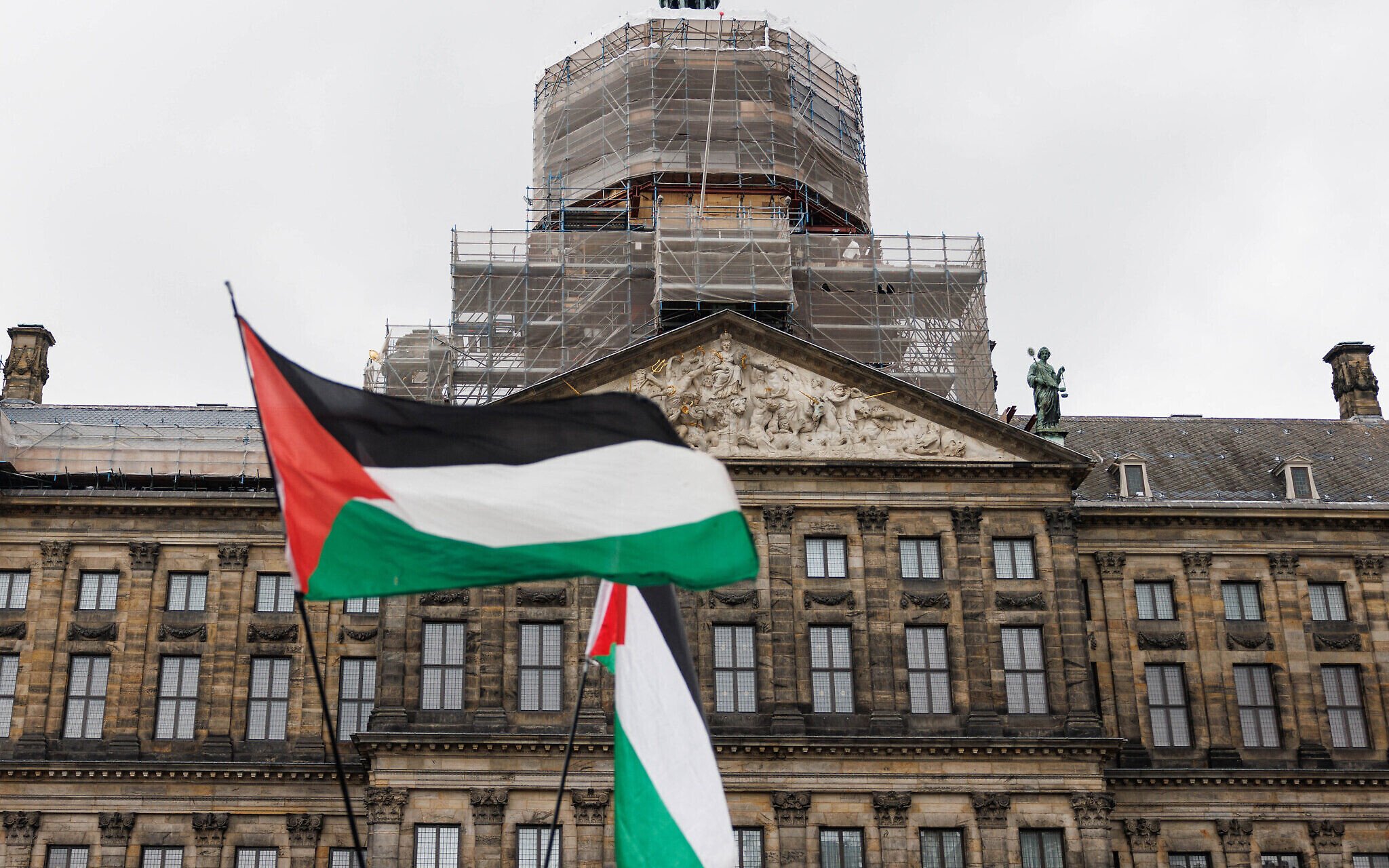
The Dutch government has announced a provisional freeze on asylum applications from Palestinian nationals who already hold legal residency or protection status in Greece. This strategic pivot, announced by Minister of Asylum and Migration Bart van den Brink, signals a tightening of the Netherlands’ approach to “asylum shopping” within the European Union and highlights an escalating diplomatic friction between The Hague and Athens.
The decision comes as the Dutch cabinet grapples with a surge in asylum seekers from the Gaza Strip who, despite having already secured legal standing in Greece, are attempting to relocate to the Netherlands to seek further protection or better socio-economic opportunities. By provisionally rejecting these claims, the Netherlands is asserting that Greece remains the responsible state for these individuals under the prevailing European asylum frameworks.
This policy shift is not merely an administrative hurdle but a reflection of a broader systemic strain on the Dutch asylum infrastructure. With the government now seeking direct diplomatic negotiations with the Greek government to resolve the status of these individuals, the move underscores the fragility of the EU’s shared responsibility model in the face of acute humanitarian crises in the Middle East.
As a specialist in global economic policy and market stability, I view this development through the lens of administrative cost and legal predictability. When a sovereign state shifts its asylum criteria mid-stream, it creates a ripple effect that impacts not only the migrants but also the legal practitioners, NGOs, and the budgetary allocations of the Ministry of Asylum and Migration. The provisional nature of these rejections suggests a period of legal volatility as the cabinet attempts to negotiate a sustainable repatriation or status-recognition agreement with Greece.
The Legal Impasse: Greek Status and the Dublin Regulation
At the heart of this dispute is the principle of the Dublin Regulation, the EU law that determines which member state is responsible for examining an asylum application. Under these rules, if an individual has already been granted asylum or has a valid residency permit in one EU member state, that state is generally responsible for the person’s protection. The Netherlands argues that Palestinians who have already obtained status in Greece should not be permitted to initiate a second, parallel asylum procedure in Dutch territory.
Minister Bart van den Brink has indicated that the cabinet is “struggling” with the presence of hundreds of asylum seekers from Gaza who fall into this specific category. The Dutch government’s position is that granting asylum to individuals who already possess legal protection elsewhere undermines the integrity of the European asylum system and creates an unfair distribution of migrants across the bloc.
However, the “provisional” nature of these rejections suggests that the Dutch government is aware of potential legal challenges. Human rights advocates often argue that the conditions of reception in first-entry countries—including Greece—may not meet the standards required for a fair and dignified life, potentially making a return to those countries a violation of non-refoulement principles or basic human rights. The cabinet’s plan to “talk with Athens” is an attempt to ensure that if these individuals are returned to Greece, their existing status is honored and their basic needs are met.
The Surge in Palestinian Asylum Claims in the EU
The Netherlands has recently emerged as a primary destination for Palestinian asylum seekers within the European Union. Reports indicate that the country is receiving a disproportionately high volume of these applications compared to its neighbors. This trend is driven by a combination of perceived better integration opportunities and the belief that Dutch procedures may be more favorable than those in other EU states.

This influx has placed significant pressure on the Immigration and Naturalisation Service (IND). The sheer volume of claims from Gaza—a region currently experiencing catastrophic conflict—requires intensive vetting and high-level security screenings. When applicants arrive with Greek documentation, it creates a procedural paradox: the state must verify the authenticity of the Greek status while simultaneously deciding whether to waive the Dublin requirements on humanitarian grounds.
The economic implications of this trend are notable. Each asylum application involves significant state expenditure, from housing and healthcare to legal processing and translation services. By pushing back on those who already have status in Greece, the Dutch cabinet is attempting to curb “secondary movements,” which are seen as an inefficient use of national resources and a strain on the limited capacity of asylum centers.
The “Unknown Nationality” Procedural Hurdle
Parallel to the conflict over Greek status, the Dutch asylum system is facing a growing challenge regarding applicants labeled with an “unknown nationality.” This administrative designation is increasingly common among those fleeing conflict zones where official documentation has been destroyed or was never issued.
For the IND, an “unknown nationality” label triggers a complex and often lengthy verification process. Without a confirmed nationality, the state cannot easily determine which embassy to contact for repatriation or which specific regional protections apply. This leads to prolonged periods of uncertainty for the asylum seeker and an increase in the backlog of cases for the government.
In the case of Palestinian applicants, What we have is further complicated by the geopolitical status of Gaza and the West Bank. The lack of a fully sovereign state makes the determination of “nationality” a political as well as a legal exercise. When combined with the “Greek status” issue, the result is a bureaucratic bottleneck that the current cabinet is desperate to clear through diplomatic means rather than individual case-by-case adjudication.
Diplomatic Negotiations with Athens: What to Expect
The Dutch government’s decision to initiate talks with Athens is a move toward a bilateral solution for a multilateral problem. The goal of these discussions is likely to establish a streamlined mechanism for the return of Palestinian nationals who hold Greek status, ensuring that Greece is prepared to receive them and maintain their legal protections.
Several key points are expected to be on the agenda during these diplomatic exchanges:
- Verification Protocols: Establishing a faster way for the Netherlands to verify the validity of Greek residency permits for Palestinian nationals.
- Reception Guarantees: Securing assurances from the Greek government that returned individuals will have access to housing and social services.
- Resource Sharing: Discussing whether EU funds or bilateral aid can support Greece in managing the increased number of protected persons being returned from other member states.
- Legal Harmonization: Aligning the interpretation of the Dublin Regulation to prevent future “asylum shopping” patterns.
From a policy perspective, the success of these talks depends on Greece’s willingness to cooperate. Athens has historically struggled with the burden of being a primary entry point for migrants into Europe and may be reluctant to accept the return of individuals who have already moved onward, unless significant support is provided.
Impact on Gaza Refugees and Legal Implications
For the individuals affected, the provisional rejection of their applications creates a state of legal limbo. Many of these asylum seekers argue that their status in Greece was a temporary necessity and that the escalating situation in Gaza makes their need for permanent, stable protection in a country like the Netherlands more urgent.
Legal experts suggest that the Dutch government may face challenges in the Council of State (the highest administrative court in the Netherlands). If the court finds that the conditions in Greece are insufficient for the specific needs of these Palestinian nationals, it could overturn the provisional rejections, forcing the government to process the applications regardless of the Greek status.
the intersection of humanitarian law and migration policy is under intense scrutiny. The conflict in Gaza is widely recognized as a humanitarian disaster, and the application of strict Dublin rules to victims of such conflict often draws criticism from international bodies and human rights organizations. The Dutch government must balance its desire for administrative efficiency and “rule-of-law” migration with its international obligations to provide protection to those fleeing persecution and war.
Key Takeaways for Stakeholders
- For Asylum Seekers: Those with existing Greek status should expect significant delays or provisional rejections in their Dutch applications while diplomatic talks proceed.
- For Legal Practitioners: There is a heightened need to document the specific conditions of the “Greek status” and whether those conditions meet humanitarian standards.
- For EU Policy Analysts: This case serves as a litmus test for the effectiveness of the Dublin Regulation in the context of high-volume, high-urgency displacements from conflict zones.
- For the Dutch Public: This represents a shift toward a more restrictive asylum policy aimed at reducing the pressure on national infrastructure through bilateral diplomacy.
The Path Forward
The immediate future of this policy depends on the outcome of the discussions between the Dutch cabinet and the Greek government. If a bilateral agreement is reached, we may see a systematic repatriation of Palestinian nationals with Greek status, thereby reducing the pressure on the IND and clearing the backlog of “unknown nationality” cases.
However, if negotiations stall, the Dutch government may be forced to either implement a more permanent ban on such applications—which would likely be challenged in court—or concede and process the claims, further straining the asylum system.
The next critical checkpoint will be the official report from the Ministry of Asylum and Migration following the initial round of talks with Athens. This update will clarify whether a formal agreement on the return of these individuals has been reached or if the provisional rejections will remain the default position.
We invite our readers to share their perspectives on the balance between EU migration rules and humanitarian obligations in the comments below. Please share this analysis with your professional network to foster a deeper understanding of European asylum policy.