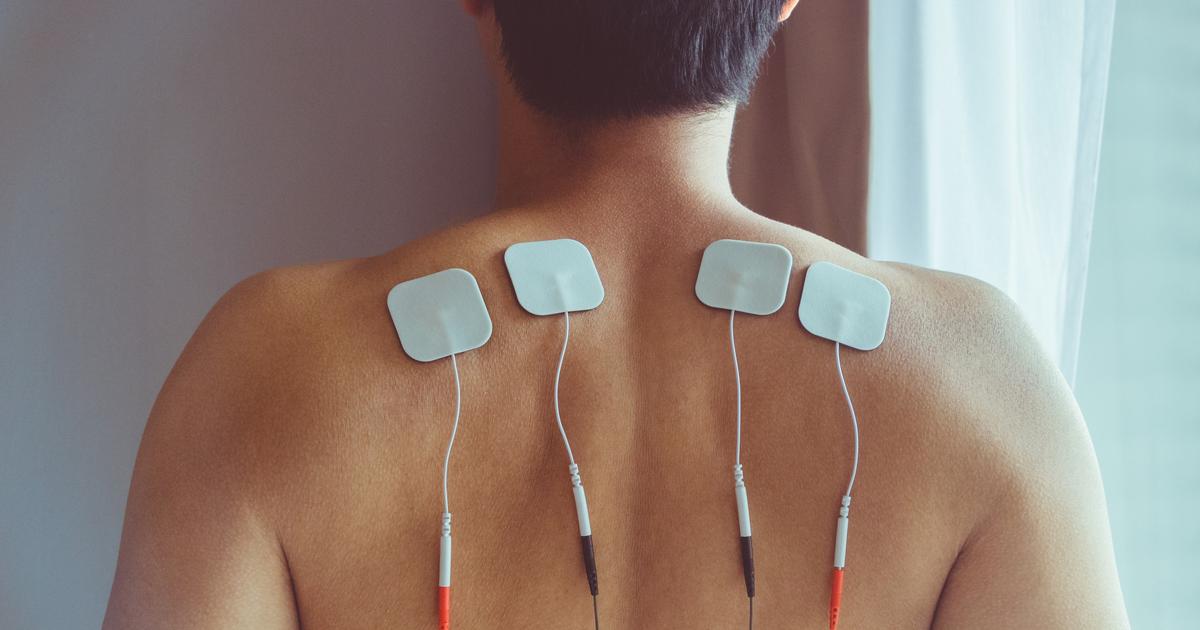
Managing the aftermath of surgery often involves more than just healing a wound; for some patients, the challenge is a lingering, debilitating sensation that persists long after the procedure. The emergence of neuromodulation for chronic postoperative pain represents a significant shift in how medical professionals approach these complex cases, offering a way to intervene when traditional pain management fails.
By utilizing electrical impulses to effectively “trick” the nerves, neuromodulation aims to interrupt pain signals before they reach the brain. This innovative approach is becoming a focal point for surgical and anesthetic experts seeking to improve the quality of life for patients who suffer from chronic pain following surgical interventions.
As a physician and journalist, I have observed that the path to recovery is rarely uniform. The transition from acute postoperative pain to a chronic condition is often influenced by a combination of physiological and psychological factors. Understanding these triggers is essential for early intervention and the successful application of neuromodulation therapies.
Identifying Vulnerability and Risk Factors
Not every patient who undergoes surgery is at the same risk for developing long-term pain. Healthcare providers are increasingly focused on identifying “vulnerability factors” that may predispose an individual to chronic postoperative pain. These factors serve as critical warning signs that can alert clinicians to the need for more aggressive or specialized pain management strategies.
Research indicates a notable gender disparity in these outcomes. According to data highlighted by vulnerability factors in chronic pain, women have a higher incidence of chronic pain syndrome and are more likely to develop chronic postoperative pain compared to men. This disparity underscores the necessity of personalized care plans that account for gender-specific risks and vulnerabilities.
The Promise of Neuromodulation and Complementary Care
When pain becomes chronic, the nervous system can enter a state of hypersensitivity. Neuromodulation seeks to address this by applying controlled electrical stimulation to specific nerves or areas of the spinal cord, modulating the pain signals that the brain perceives.
This technology is part of a broader movement toward integrated pain management. The Académie Nationale de Chirurgie has emphasized the importance of this issue, highlighting the need to discuss effective complementary treatments and the perspectives offered by neuromodulation to better manage postoperative outcomes.
The goal of these interventions is not merely the suppression of symptoms but the restoration of function. By integrating neuromodulation with other complementary therapies, clinicians can offer a multi-modal approach that addresses both the physical and neurological components of chronic pain.
Key Takeaways for Patients and Providers
- Neuromodulation uses electrical impulses to interfere with pain signaling in the nerves.
- Risk Assessment: Identifying vulnerability factors early is key to preventing the transition from acute to chronic pain.
- Gender Differences: Women are statistically at a higher risk for developing chronic postoperative pain syndromes.
- Integrated Approach: The most effective results often come from combining neuromodulation with other complementary therapeutic options.
The evolution of these treatments suggests a future where surgical recovery is more predictable and the burden of chronic pain is significantly reduced. As clinical perspectives continue to evolve, the integration of neuromodulation into standard postoperative care protocols remains a primary objective for surgical societies globally.
For those seeking more information on current therapeutic options, consulting with a multidisciplinary pain management team is the recommended next step to determine if neuromodulation is a viable option for your specific medical history.
World Today Journal will continue to monitor updates from the Académie Nationale de Chirurgie and other leading medical bodies regarding new clinical guidelines for postoperative neuromodulation.
Do you or a loved one have experience with postoperative pain management? Share your thoughts or questions in the comments below.
Related reading