Russian Athletes at the 2026 Winter Olympics: A Guide to Individual neutral Athlete Status
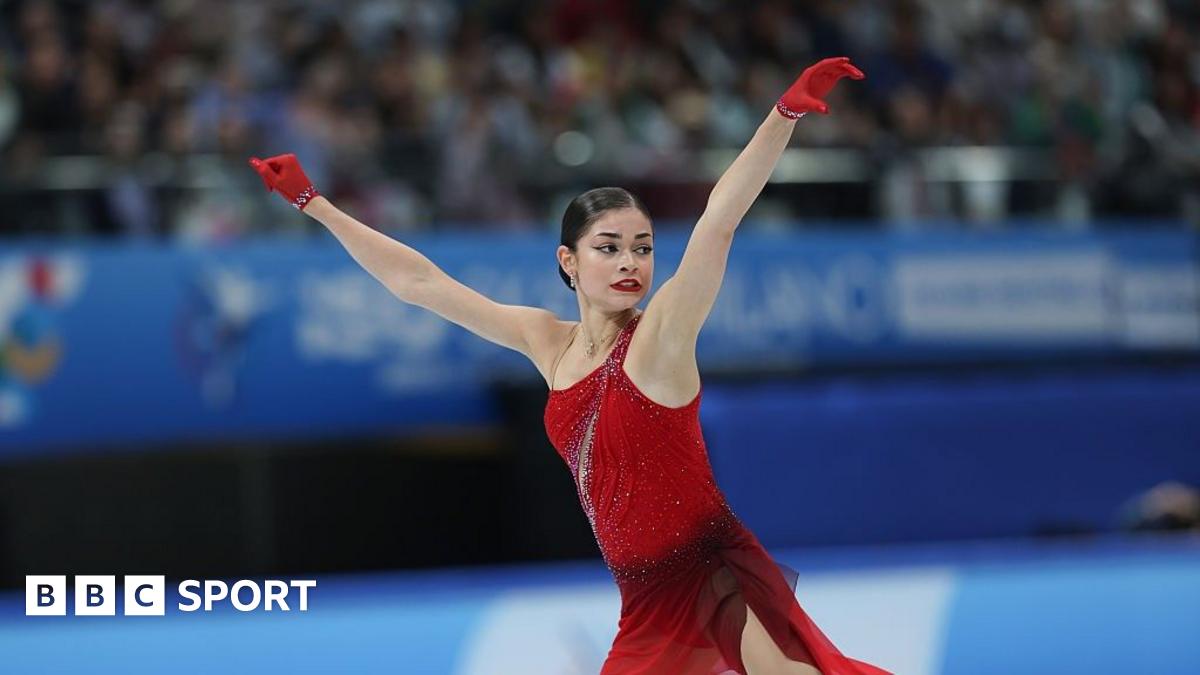
The path to the 2026 Winter Olympics in Milan and Cortina d’Ampezzo is becoming clearer, but for Russian and Belarusian athletes, it remains uniquely complex. Following qualification events, figure skaters Adeliia Petrosian and Viktoriia Safonova have secured their spots, but will compete not under their national flags, but as Individual Neutral Athletes (INA). This situation raises many questions about participation, eligibility, and the broader implications for international sport. Understanding the nuances of this policy is crucial for athletes, fans, and anyone following the Olympic movement.
The Ongoing Ban & The Rise of INA Status
Since the onset of the conflict in Ukraine in 2022,a sweeping ban has been imposed on athletes with Russian or Belarusian passports across numerous sports,including cross-contry skiing and biathlon. This wasn’t a decision taken lightly, reflecting international condemnation and a desire to hold Russia accountable. However, a complete exclusion from the Olympic Games was deemed problematic, leading to the progress of the INA framework.
The International Olympic Committee (IOC) has confirmed that this framework will continue for the 2026 Winter Games, mirroring the conditions applied at the 2024 Paris Olympics. This means athletes can compete, but under very specific and stringent rules. Recent data from the IOC shows that 32 athletes with Russian or Belarusian passports participated in the Paris Games without incident, bolstering the argument for continued, albeit restricted, participation. https://olympics.com/ioc/news/ioc-executive-board-decisions-regarding-athletes-with-russian-or-belarusian-passports
What Does it Mean to Compete as an Individual Neutral Athlete?
being designated an INA comes with significant restrictions. Here’s a breakdown of the key conditions:
* No National Depiction: Athletes cannot represent Russia or Belarus in any way. This includes flags, anthems, and national symbols.
* Strict Eligibility Criteria: Athletes must not have actively supported the war in Ukraine. This is assessed through a rigorous vetting process.
* No team Participation: Only individual athletes are eligible. Teams representing Russia or Belarus are prohibited.
* Ceremonial Exclusion: inas will not participate in the opening ceremony, reinforcing the separation from national representation.
* Medal Table Omission: Any medals won by INAs will not be included in the official medal table, a symbolic gesture reflecting the ongoing situation.
* Neutral Uniforms: Athletes will compete in neutral uniforms, devoid of any national identifiers.
These conditions are designed to balance the principle of individual athlete participation with the broader political context. The IOC aims to allow athletes who haven’t actively supported the conflict to compete, while simultaneously upholding its stance against the Russian and Belarusian governments.
Qualifying for the 2026 Winter Olympics as an INA
The qualification process for INAs mirrors that of other athletes, but with added scrutiny. Petrosian earned her spot through a qualifying event in Beijing, demonstrating her skill and dedication. Safonova’s qualification, moving from seventh to fourth place, highlights the competitive nature of the process.
For aspiring INA athletes, focusing on individual performance and adhering to the IOC’s ethical guidelines are paramount. Understanding the specific qualification pathways for each sport is also crucial. Resources like the official Olympic website (https://olympics.com/en/winter-olympics) provide detailed data.
Addressing common Concerns & Future Outlook
Many questions surround the INA policy. Here are a few frequently asked ones:
FAQ: Individual Neutral Athletes & the 2026 Winter Olympics
- What is the difference between an INA and a neutral athlete? An INA specifically refers to athletes with Russian or Belarusian passports competing under the IOC’s specific restrictions due to the geopolitical situation.
- How does the IOC verify that an athlete hasn’t actively supported the war? the IOC utilizes an self-reliant assessment process, reviewing public statements, social media activity, and other relevant information.
- Will the INA policy be in place for future Olympic Games? The IOC