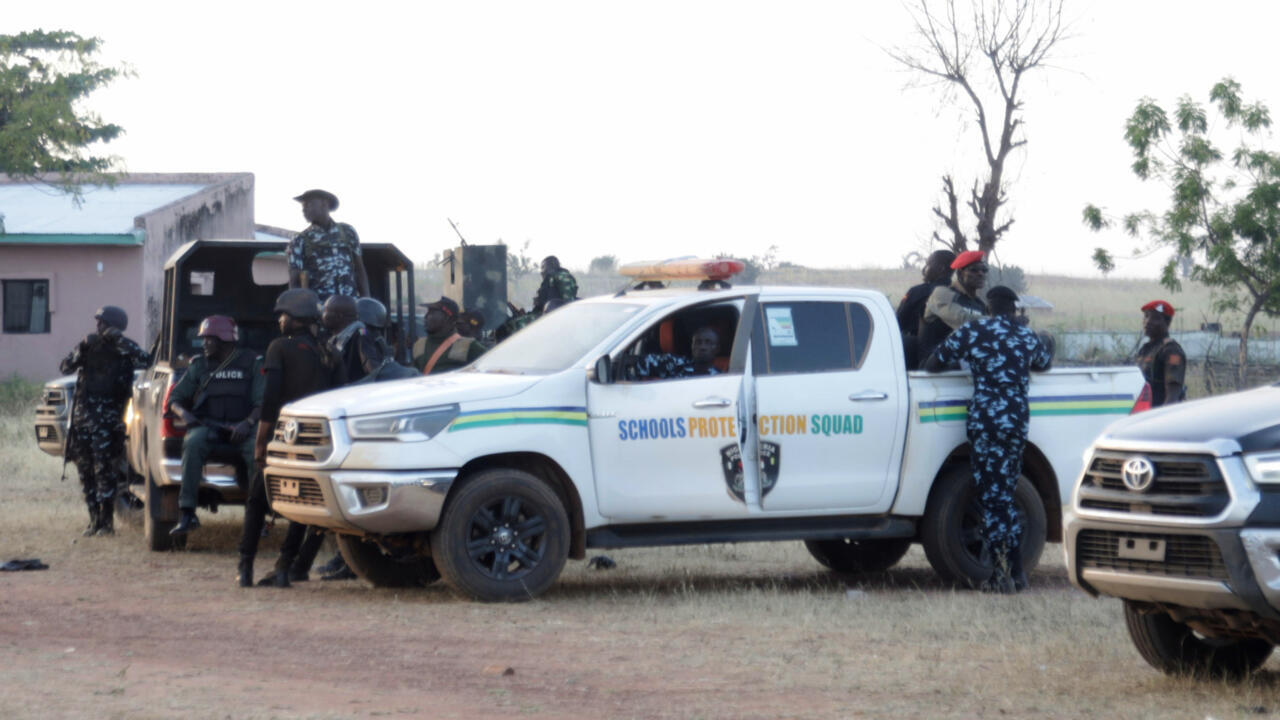
Nigeria Faces Escalating Kidnapping Crisis: A Deepening Security Challenge
Nigeria is grappling with a surge in mass abduction cases, raising serious concerns both domestically and internationally. Recent events highlight a deteriorating security landscape, particularly in the central regions of the country. This article provides an in-depth look at the situation, its complexities, and potential implications.
Recent Abductions & The Scale of the Problem
On December 21st, gunmen ambushed a vehicle in Plateau state, kidnapping 28 individuals.These victims, including women and children, where en route to a Maulud gathering – a religious event celebrating the birth of Prophet Mohammed. This incident is unluckily not isolated.
Indeed, it’s the latest in a disturbing trend.Just days prior, authorities secured the release of 130 schoolchildren. Thay were part of a larger group of over 250 pupils abducted from a Catholic boarding school in Niger state a month earlier.
Here’s a quick overview of the recent escalation:
* December 2025: 28 people kidnapped in Plateau state,targeting religious travelers.
* Late November/Early December 2025: Release of 130 schoolchildren from Niger state, following the abduction of over 250.
* Ongoing: Numerous other abductions targeting places of worship and individuals.
A Profit-Driven Industry
Kidnappings in Nigeria are overwhelmingly motivated by ransom. Experts now describe the crisis as a highly organized, profit-seeking industry. A recent report by SBM Intelligence, a Lagos-based consultancy, estimates that these criminal enterprises generated approximately $1.66 million between July 2024 and June 2025.
This financial incentive fuels the ongoing violence and complicates efforts to secure the release of victims.you can understand how this creates a vicious cycle, encouraging further abductions.
International Concerns & Differing Perspectives
The escalating violence has drawn international scrutiny. The United Nations has issued warnings about a “surge in mass abductions,” urging immediate action. The United States has also expressed strong concern,even hinting at potential military intervention due to reports of mass killings of Christians.
However, the Nigerian government and independent analysts dispute the U.S. framing of the situation. They argue that the security challenges are far more complex. multiple conflicts exist across ethnic and religious lines, making a simplistic narrative inaccurate. It’s crucial to understand that the violence isn’t solely religiously motivated.
Understanding the Complexities
nigeria’s security situation is multifaceted. Several factors contribute to the rise in kidnappings:
* Poverty and Unemployment: Economic hardship creates a vulnerable population susceptible to recruitment by criminal groups.
* Weak Governance: Limited state presence in certain regions allows criminal activity to flourish.
* Proliferation of Arms: The widespread availability of weapons exacerbates the violence.
* Ethnic and Religious Tensions: Existing societal divisions are often exploited by criminal elements.
What Does This Mean for You?
If you are traveling to Nigeria, particularly the central regions, it’s vital to exercise extreme caution. Stay informed about the latest security developments and heed any travel advisories issued by your government. Consider the following:
* Avoid traveling at night.
* Travel in groups whenever possible.
* Be aware of your surroundings.
* Avoid displaying wealth.
* register with your embassy or consulate.
Looking Ahead
Addressing this crisis requires a comprehensive and multi-pronged approach.This includes strengthening security forces, addressing the root causes of poverty and unemployment, promoting inter-ethnic and inter-religious dialog, and improving governance.
Ultimately, a sustainable solution requires a collaborative effort involving the Nigerian government, international partners, and local communities. The safety and security of Nigerian citizens – and those who visit – depend on it.
Keep reading