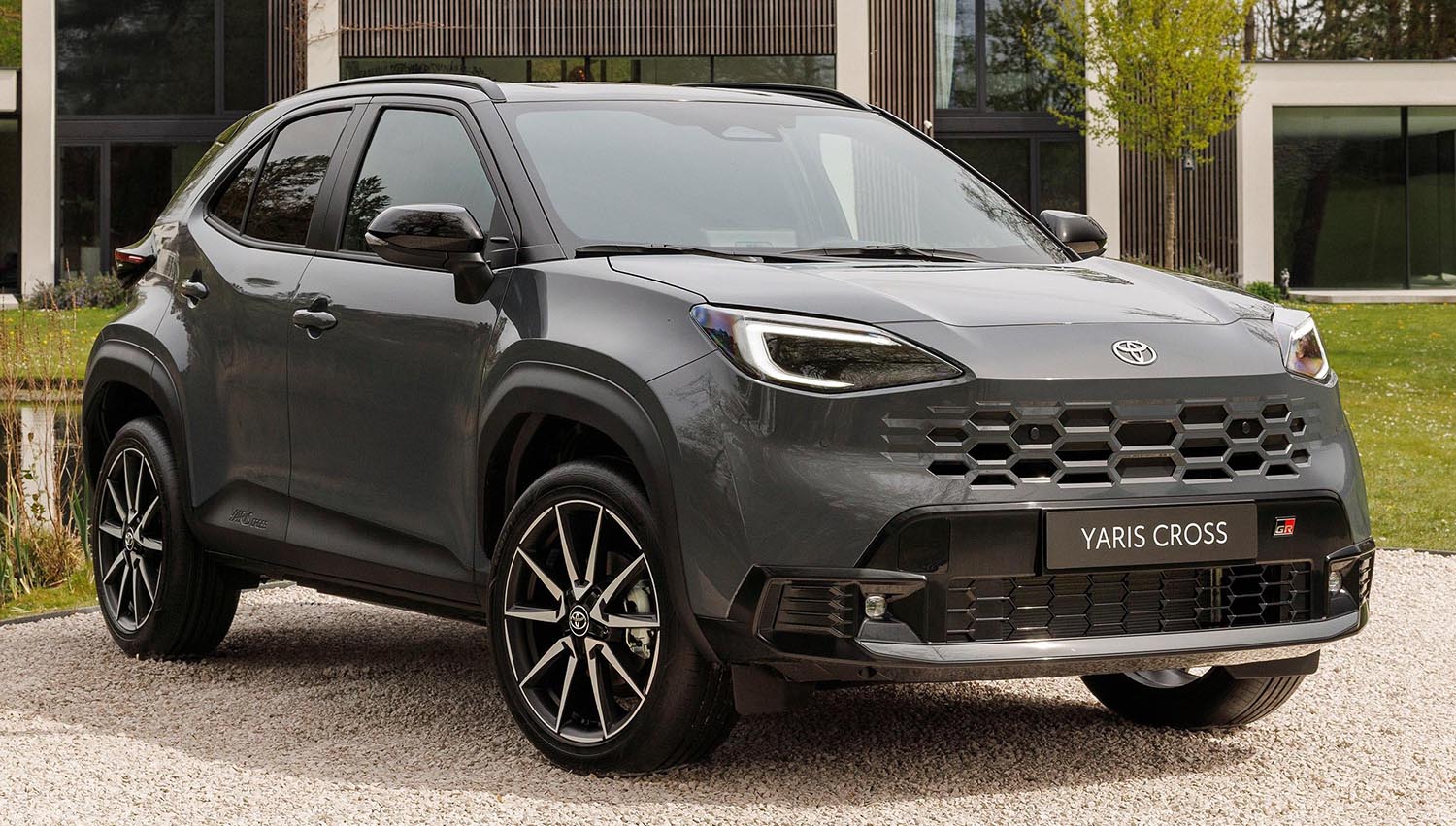
Toyota has initiated a mid-cycle refresh for the Yaris Cross, focusing on exterior design updates that align the compact SUV with the brand’s current global design language. The 2027 model year update, which follows Toyota’s ongoing commitment to its GA-B platform architecture, introduces a more refined front fascia and aesthetic adjustments intended to maintain the model’s competitiveness in the B-SUV segment, according to official press releases from Toyota Motor Europe.
The Yaris Cross remains a core pillar of Toyota’s European and international sales strategy, serving as a high-volume entry point for consumers seeking hybrid efficiency in a crossover form factor. By focusing on front-end styling, Toyota aims to bridge the visual gap between its smaller hatchback offerings and larger SUVs like the RAV4. These changes are part of a broader strategy to sustain consumer interest in a vehicle that has seen significant market penetration since its initial launch.
Design Evolution and Aesthetic Refinements
The primary visual updates to the 2027 Yaris Cross center on the front grille and bumper assembly. The design team has moved toward a more aggressive, structured look that emphasizes the vehicle’s width. This approach mirrors the design updates applied to the standard Yaris hatchback, ensuring a cohesive family identity across the manufacturer’s entry-level lineup. These refinements are not merely cosmetic; they are intended to streamline the vehicle’s stance while maintaining the practical dimensions that define the Yaris Cross as a versatile urban vehicle, as noted in industry reporting on current Toyota design iterations.
Beyond the front fascia, the updated model incorporates subtle changes to the lighting signature and wheel designs. Toyota continues to utilize its modular GA-B platform, which allows for these exterior adjustments without requiring a complete structural overhaul. This platform choice is instrumental in keeping the vehicle’s curb weight low, which contributes to the fuel efficiency ratings that are central to the Yaris Cross’s appeal in global markets.
Technology Integration and Performance Updates
While the exterior receives the most visible attention, the 2027 update also addresses internal technology. Toyota has integrated its latest multimedia systems, which support enhanced connectivity, including wireless smartphone integration and improved voice recognition capabilities. These updates are designed to meet the growing consumer demand for digital parity in compact vehicles, ensuring that the driving experience remains competitive against rivals such as the Renault Captur and the Nissan Juke.
Performance remains underpinned by Toyota’s fifth-generation hybrid powertrain. According to official technical specifications provided by Toyota, this system provides a balance between electric-only operation at low speeds and sustained internal combustion support for highway driving. The integration of more efficient power control units has allowed for a marginal increase in total system output, providing a more responsive driving experience without sacrificing the fuel economy metrics that define the model’s segment position.
Market Context and Consumer Impact
The Yaris Cross operates in one of the most crowded segments in the automotive industry. Since its market introduction, it has competed primarily on its reputation for reliability and the efficiency of its hybrid drivetrain. By implementing these mid-cycle refinements, Toyota is attempting to extend the lifecycle of the current generation before a full model replacement becomes necessary. This strategy is typical of the manufacturer’s product lifecycle management, which prioritizes incremental, data-driven improvements over rapid, radical design shifts.
For current owners and prospective buyers, these updates signify a commitment to long-term support for the model line. The inclusion of updated software and refreshed styling elements ensures that the vehicle does not appear dated as competitors release newer generations. Consumers interested in official pricing and regional availability should monitor their local Toyota portal for specific market rollout dates, as delivery timelines vary significantly by region due to manufacturing logistics and supply chain constraints.
Looking Ahead
Toyota has not yet announced a date for a complete model redesign, as the current focus remains on maintaining the momentum of the existing platform. The company continues to monitor market feedback through its global dealer network to determine the timing of future iterations. Interested parties can find the most recent updates on vehicle availability and regional specifications by visiting the official Toyota website or contacting local authorized dealerships for test drive scheduling.

The automotive industry continues to watch how Toyota balances its transition toward full electrification with the continued demand for high-efficiency hybrid vehicles. As the 2027 Yaris Cross begins to reach showrooms globally, market reception regarding these subtle refinements will likely inform the development of future compact crossovers. We invite readers to share their thoughts on these updates in the comments section below and join the ongoing discussion regarding the evolution of the compact SUV segment.