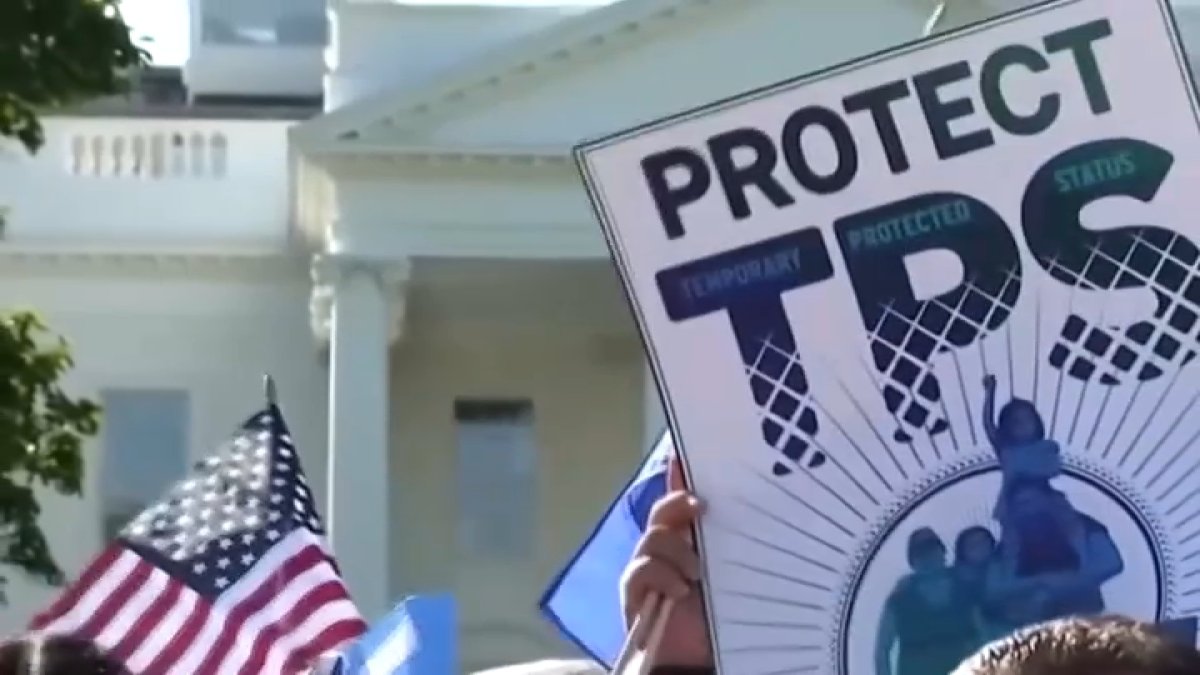
The federal government has instituted sweeping changes to immigration procedures affecting international travel, dramatically altering how individuals with temporary statuses and pending green card applications must navigate re-entry into the United States. According to an immigration ruling issued by the Board of Immigration Appeals (BIA), a long-standing regulatory framework that allowed certain foreign nationals to leave the country and return legally using advance parole has been revoked.
The legal shift, commonly referred to in legal analyses as the DelCarmen-Lara decision, overturns a precedent that had stood for 14 years. Previously, this mechanism permitted specific applicants—including certain Deferred Action for Childhood Arrivals (DACA) beneficiaries—to undertake international travel for authorized humanitarian, educational, or employment-related reasons without jeopardizing their ongoing adjustment-of-status procedures.
Under the updated legal interpretation, utilizing advance parole for international travel now triggers automatic re-entry penalties for individuals who accrued unlawful presence in the United States. Specifically, travelers who resided in the country unlawfully for at least six months face a three-year re-entry ban, while those with an unlawful presence of one year or more face a 10-year bar. Legal practitioners note that overcoming these bars requires filing specialized waiver applications, which carry substantial filing fees and complex evidentiary burdens.
Impact on Permanent Residency Applicants and Temporary Protected Status Holders
The revised policy applies broadly to individuals seeking to regularize their immigration status following a departure and return under advance parole, even for those with pending permanent residency (green card) applications. Immigration attorneys emphasize that affected individuals must secure a formal waiver to regularize their status, a process that can be prohibitively expensive and legally intricate. Exceptions allowing individuals to apply for waivers before triggering the full duration of the three-to-10-year ban remain narrow, typically restricted to applicants with qualifying relatives such as parents or spouses who hold lawful status in the United States.
These regulatory adjustments carry profound implications for beneficiaries of Temporary Protected Status (TPS), many of whom rely on advance parole to travel abroad for family emergencies or professional obligations. As thousands of individuals manage these overlapping policy changes, immigration advocates continue to monitor how administrative enforcement will intersect with active court challenges.
TPS Expiration Timelines and Work Permit Extensions
Simultaneously, the administrative framework governing Temporary Protected Status for Salvadoran nationals faces an impending expiration deadline. According to U.S. Citizenship and Immigration Services (USCIS), the TPS designation for El Salvador and its associated benefits are scheduled to conclude on September 9, 2026.
To mitigate administrative backlogs affecting employment authorization documents (EADs), USCIS announced an automatic extension of certain work permits through September 9, 2026. The agency has begun dispatching formal notifications to eligible Salvadoran TPS beneficiaries who have not yet received updated cards bearing the A-12 or C-19 category codes, ensuring they can maintain continuous employment authorization while their renewal applications remain pending.
Community organizers point out that administrative delays have left a significant portion of applicants waiting months for physical documentation. Representatives from advocacy groups like the National TPS Alliance stress that while federal guidance protects employment eligibility through the September deadline, the broader future of the program remains uncertain unless federal authorities grant a formal extension or a federal court intervenes.
Legal Challenges and Next Steps
The ultimate trajectory of the TPS designation for El Salvador and several other nations is currently under judicial review. A federal district court in Massachusetts is scheduled to examine the legality of the planned terminations, a proceeding that could issue nationwide injunctions or reshape administrative obligations before the autumn expiration date.
Immigration authorities advise affected individuals to consult qualified legal counsel before initiating any international travel using advance parole documents. Stakeholders should monitor official USCIS announcements and federal court dockets for subsequent hearings, regulatory updates, or filing instructions.
We invite our readers to share their thoughts or experiences regarding these immigration updates in the comments section below, and share this article to keep your network informed.
Related reading
- Argentina Markets: ADRs Bounce in Wall Street While Country Risk Holds Above 470 Points After July Inflation
- Akhilesh Yadav Reaffirms Rs 40,000 Pledge for Women, Slams BJP Ahead of 2027 UP Polls
- Fargo Man Sentenced to 3 Years for Parole Violation Following CSAM Convictions (news-usa.today)
- Can You Go on Vacation While on Sick Leave in Spain? Rules and Risks (world-today-news.com)