
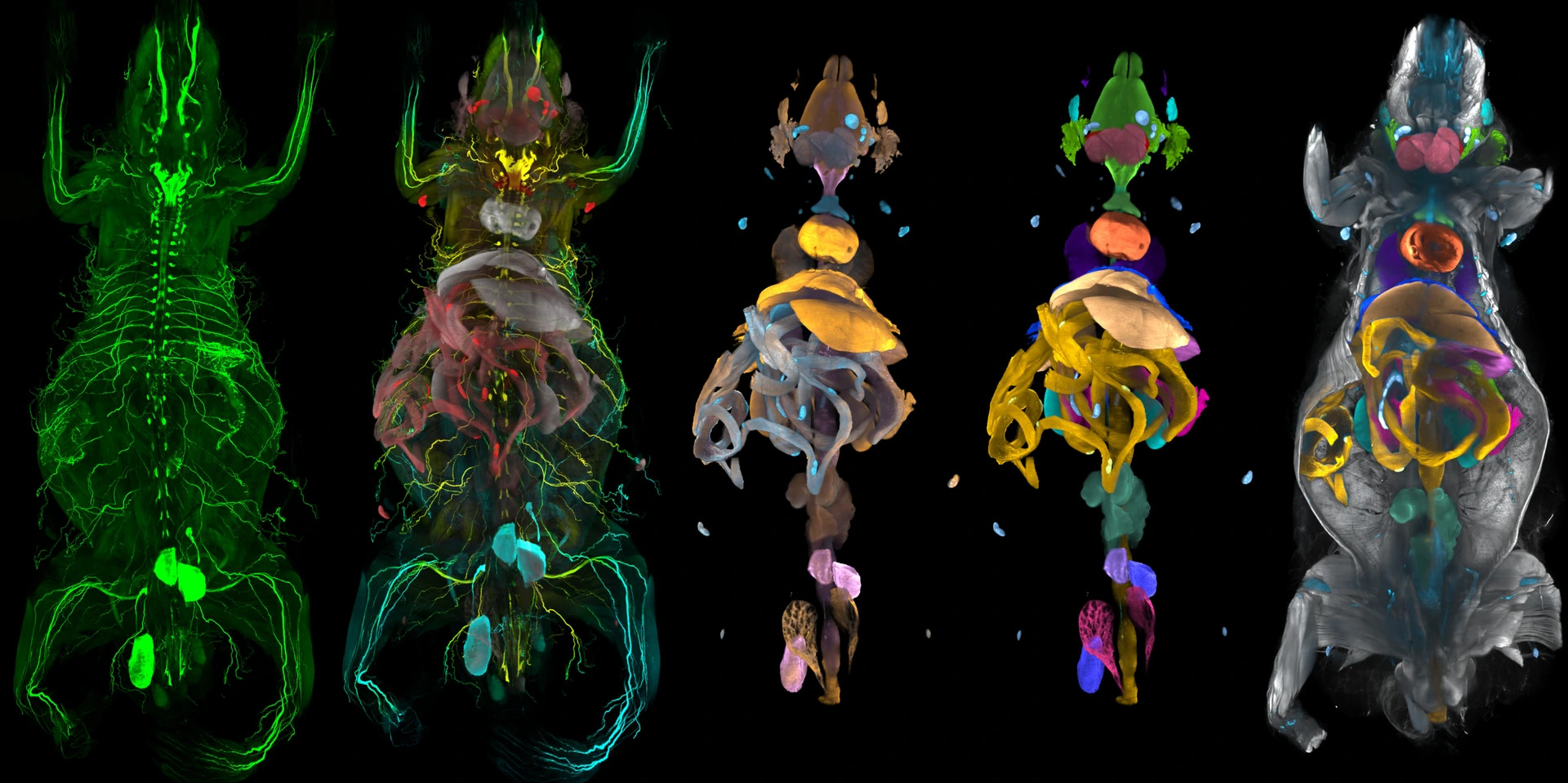
As we advance our understanding of how body composition influences long-term physiological health, researchers are increasingly turning to machine learning to map the systemic impacts of obesity. Recent advancements in AI-driven body imaging have provided new insights into the “obesity-induced neurodegeneration” hypothesis, revealing that the damage caused by excess adiposity extends far beyond traditional concerns like cardiovascular strain or metabolic dysfunction. By identifying previously under-recognized patterns of neural degradation, clinicians are beginning to view obesity through a more comprehensive neurological lens.
The latest medical research, supported by data from the World Health Organization, underscores that obesity is a complex, chronic disease rather than merely a lifestyle consequence. While internal organ stress—such as hepatic steatosis and hypertension—remains a primary focus of public health, the integration of high-resolution imaging and predictive algorithms is uncovering how chronic inflammation and metabolic shifts may compromise the central and peripheral nervous systems. Understanding these neural pathways is essential for developing more effective clinical interventions.
The Intersection of AI and Metabolic Neuroscience
The application of artificial intelligence in medical imaging has revolutionized our ability to correlate body mass index (BMI) and visceral fat distribution with subtle structural changes in the brain. According to findings published in journals such as Nature Metabolism, AI models are now capable of identifying “neuro-anatomical signatures” associated with metabolic syndrome. These models analyze vast datasets to detect patterns of atrophy or neural signaling disruption that traditional manual assessment might overlook.

These AI tools are not just diagnostic; they serve as a framework for understanding the “gut-brain axis.” The persistent state of systemic inflammation associated with adipose tissue release of cytokines can potentially reach the blood-brain barrier. When this inflammatory cascade is chronic, it may contribute to cognitive decline or changes in neuroplasticity. Researchers utilizing these advanced imaging techniques aim to quantify exactly how much metabolic load the brain can sustain before structural integrity is affected.
Beyond the Organs: Identifying Neural Vulnerability
While the focus on internal organs like the heart and liver is well-established, the neurological implications of obesity are increasingly viewed as a critical public health concern. Clinical studies, including those monitored by the National Institutes of Health, have suggested that obesity-related metabolic dysfunction may be linked to a higher risk of neurodegenerative conditions. The AI-driven mapping process is helping scientists isolate specific brain regions—such as the hippocampus and frontal lobes—that appear particularly sensitive to metabolic fluctuations.

What makes these findings particularly significant is the potential for early intervention. If AI can identify the “neural warning signs” of obesity-related damage before clinical symptoms manifest, physicians may be able to tailor metabolic therapies to protect cognitive function. This shift toward “preventative neurology” represents a major change in how internal medicine approaches weight management, emphasizing that protecting the brain is as vital as protecting the heart.
Clinical Implications and Future Directions
For patients, these developments highlight the importance of early management of metabolic health. The conversation around weight is shifting from aesthetics to systemic longevity. Medical organizations, including the Endocrine Society, continue to advocate for comprehensive care plans that address the multifaceted nature of obesity. As AI diagnostic tools become more integrated into clinical practice, we expect to see more personalized treatment protocols that prioritize both metabolic restoration and neurological health.

Looking ahead, the next phase of this research will focus on the reversibility of these neural changes. Can weight loss and metabolic stabilization stop or even reverse the patterns identified by AI? Clinical trials are currently in development to address these questions. As we await further findings from longitudinal studies, the medical community remains focused on evidence-based strategies to mitigate the inflammatory and metabolic stressors that drive these systemic issues.
For those interested in the latest developments, official updates on metabolic health guidelines are regularly posted by the Centers for Disease Control and Prevention. We encourage our readers to discuss these emerging findings with their healthcare providers to better understand how to maintain long-term neurological and physical wellness.
What are your thoughts on the role of AI in personalizing health outcomes? We invite you to share your perspectives or questions in the comments section below.