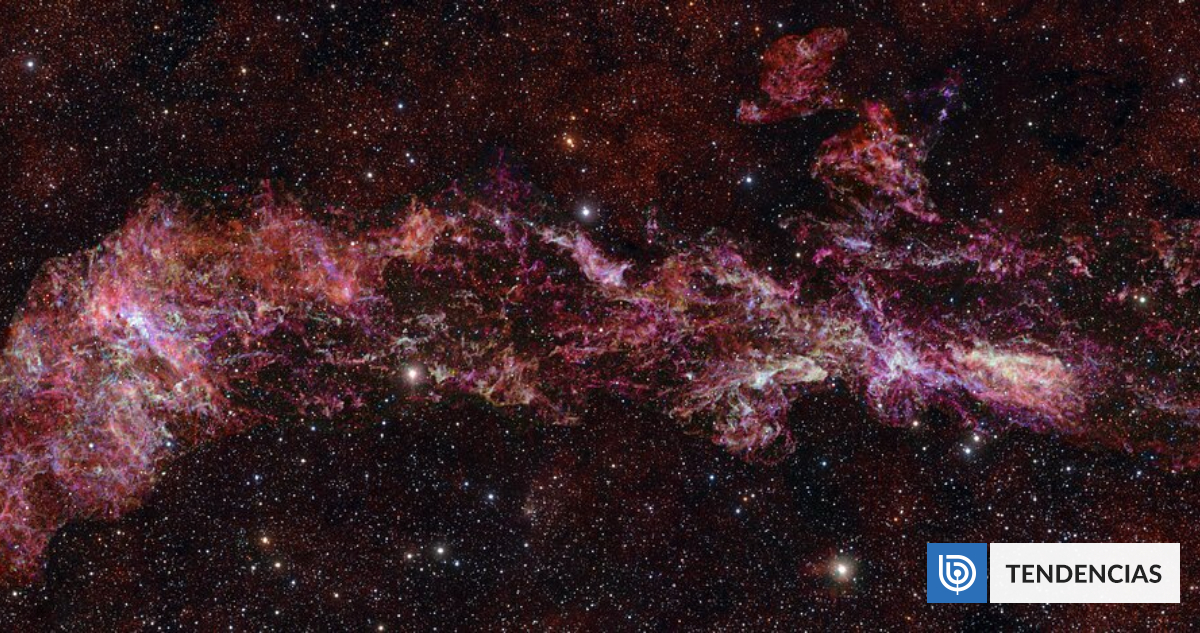
Unprecedented View of the Milky Way’s Heart Revealed by ALMA Telescope
Astronomers have unveiled the most detailed image yet of the center of our galaxy, the Milky Way, thanks to the Atacama Large Millimeter/submillimeter Array (ALMA) radio telescope located in the Chilean Atacama Desert. This groundbreaking observation, captured in remarkable detail, spans over 650 light-years and offers an unprecedented look at the dense clouds of gas and dust surrounding Sagittarius A*, the supermassive black hole at the galactic core. The image isn’t visible to the naked eye, relying on ALMA’s ability to detect millimeter and submillimeter wavelengths of light. This achievement marks the first time scientists have been able to explore the cold gas in this region – the raw material for star formation – with such clarity.
The data, gathered as part of the ACES (ALMA CMZ Exploration Survey) program, is poised to revolutionize our understanding of galactic formation and the lifecycle of stars in this extreme environment. The central molecular zone (CMZ) is a particularly active region, and studying it provides insights into the conditions that existed in the early universe when star formation was more chaotic. The new image reveals a complex network of cosmic gas filaments, offering clues to how stars are born in this challenging locale. According to the European Southern Observatory (ESO), the mosaic image is equivalent in length to three full moons placed side-by-side in the sky, demonstrating the scale of this ambitious undertaking.
Exploring the Cold Gas of the Central Molecular Zone
The significance of this observation lies in its ability to penetrate the dense clouds of gas and dust that obscure the galactic center from visible light telescopes. ALMA’s unique capabilities allow it to detect the faint signals emitted by cold gas, which is crucial for star formation. This cold gas, primarily molecular hydrogen, is challenging to observe directly, but ALMA can detect the emissions from molecules like carbon monoxide, which trace the distribution and dynamics of the hydrogen gas. The team has already identified dozens of different molecules within this gas, ranging from simple compounds like silicon monoxide to more complex organic molecules such as methanol, acetone, and ethanol. ESO reports that the presence of these molecules suggests a rich chemical environment conducive to the formation of stars and potentially even the building blocks of life.
Ashley Thomas Barnes, an astronomer at ESO in Germany who participated in the research, described the region as “a place of extremes, invisible to our eyes, but now revealed with extraordinary detail.” This statement underscores the power of ALMA to unveil hidden aspects of the universe and provide new insights into the processes shaping our galaxy. The ability to map the distribution and motion of gas in the CMZ will allow astronomers to test theories about star formation and the evolution of galaxies.
Why Studying the Galactic Center Matters
The galactic center presents a unique laboratory for studying star formation under extreme conditions. While astronomers have a good understanding of how stars form in the outer regions of the Milky Way, the environment in the CMZ is far more turbulent and dense. The strong gravitational pull of the supermassive black hole, combined with the high density of gas and dust, creates a chaotic environment where stars may form much more rapidly and efficiently. Understanding these processes can help us to understand how galaxies grew and evolved over cosmic time.
Steve Longmore, Professor of Astrophysics at Liverpool John Moores University and leader of the ACES project, explained that studying star formation in the CMZ “can give us a clearer picture of how galaxies grew and evolved.” He added, “We believe the region shares many characteristics with galaxies in the early universe, where stars were forming in chaotic and extreme environments.” This connection to the early universe makes the CMZ a particularly valuable target for astronomical research. The conditions in the CMZ may closely resemble those that prevailed in the first galaxies, offering a glimpse into the processes that shaped the universe we see today.
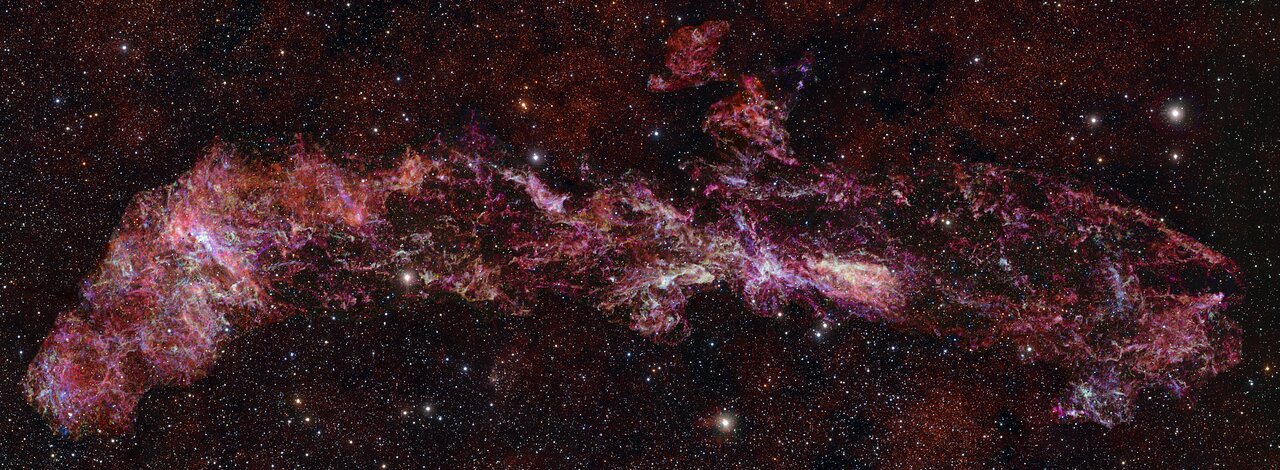
The ACES survey is not only providing detailed images of the CMZ but also a wealth of spectroscopic data, which reveals the chemical composition and motion of the gas. This information is crucial for understanding the physical processes that govern star formation. By analyzing the spectra of different molecules, astronomers can determine the temperature, density, and velocity of the gas, providing a comprehensive picture of the environment in which stars are born. The findings, published in five articles accepted for publication in the journal Monthly Notices of the Royal Astronomical Society, represent a significant step forward in our understanding of the Milky Way’s dynamic center.
The Future of Galactic Center Research
The ALMA observations of the galactic center are just the beginning. Astronomers plan to continue studying the CMZ with even greater sensitivity and resolution, using both ALMA and other telescopes. Future observations will focus on identifying the sites of active star formation and characterizing the properties of the newly formed stars. The James Webb Space Telescope, with its ability to observe infrared light, will also play a crucial role in complementing the ALMA observations, providing a more complete picture of the galactic center. The combination of these powerful telescopes promises to unlock even more secrets of our galaxy’s heart.
The ongoing research into the galactic center is not only advancing our understanding of the Milky Way but also providing valuable insights into the formation and evolution of galaxies throughout the universe. By studying the extreme conditions in the CMZ, astronomers can gain a better understanding of the processes that shaped the cosmos and the origins of the stars and planets that populate it. The ALMA telescope, with its unparalleled capabilities, is at the forefront of this exciting field of research, pushing the boundaries of our knowledge and revealing the hidden wonders of the universe.
The next phase of the ACES project will involve analyzing the data to create detailed models of the CMZ, simulating the complex physical processes that govern star formation. These models will allow astronomers to test their theories and make predictions about the future evolution of the galactic center. The results of this research will be presented at upcoming astronomical conferences and published in peer-reviewed journals, ensuring that the findings are widely disseminated to the scientific community.
If you’re fascinated by the mysteries of the cosmos, consider exploring the resources available on the European Southern Observatory’s website for more information about ALMA and its discoveries. Share your thoughts on this groundbreaking research in the comments below!
Related reading