Astrocytes: Key Players in Central Nervous System Repair
Recent research has unveiled a surprising and notable role for astrocytes, a type of glial cell in the central nervous system (CNS), in facilitating tissue repair following injury. A study published in Nature by researchers at Cedars-sinai reveals that these cells,notably a newly identified subtype called lesion-remote astrocytes (LRAs),contribute to recovery from spinal cord injuries,stroke,and neurodegenerative diseases like multiple sclerosis [nature].
Understanding Astrocytes and their Function
Astrocytes are one of the most abundant cell types in the CNS, accounting for 20-50% of all cells depending on the species [[3]]. Traditionally considered support cells, thay perform a wide array of critical functions, including maintaining the chemical surroundings around neurons, providing nutrients, and regulating blood flow [[1]]. They are now recognized as active participants in neurological responses to both health and disease [[2]].
The Revelation of Lesion-Remote Astrocytes (LRAs)
Researchers have identified a unique population of astrocytes, termed lesion-remote astrocytes (LRAs), that operate away from the site of injury. These LRAs are not directly affected by the initial damage, yet they play a crucial role in initiating and supporting the repair process.The team identified distinct subtypes of lras, with one subtype being particularly adept at detecting damage and initiating a response.
How the Spinal Cord Responds to Injury
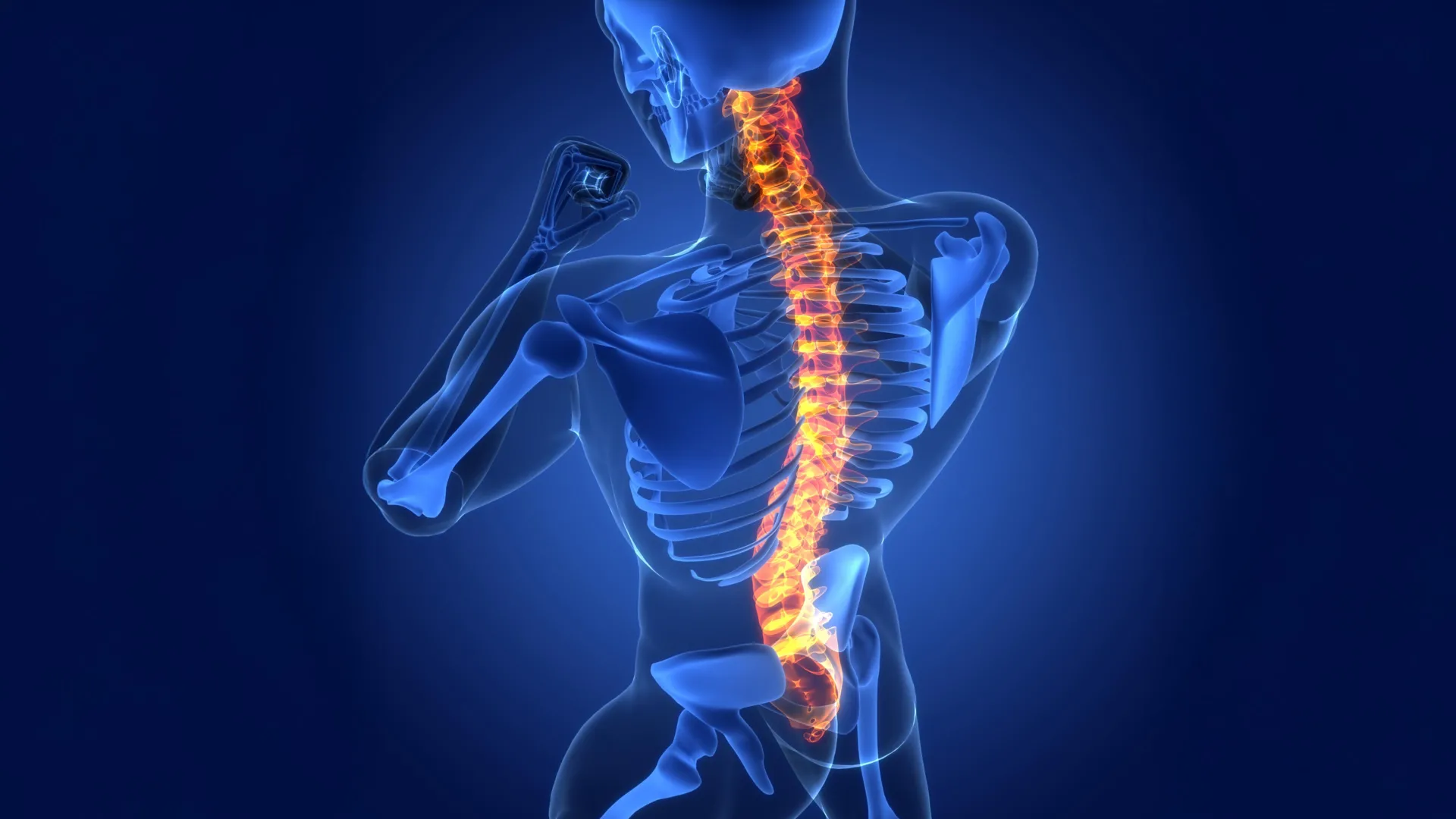
When the spinal cord is injured, nerve fibers are torn, perhaps leading to paralysis and sensory loss. This trauma results in the release of debris that triggers inflammation. Unlike in many other tissues, inflammation in the spinal cord can spread beyond the initial injury site due to the long distances nerve fibers travel.
The Role of CCN1 in Immune Cleanup
lras contribute to repair by signaling the immune system to efficiently clear debris from the injury site. This is achieved through the production of a protein called CCN1. CCN1 acts as a messenger, activating immune cells called microglia, which are responsible for removing cellular debris [Nature].
Microglia are often described as the “garbage collectors” of the CNS. however, clearing debris from nerve damage can be challenging, as the debris contains fatty components that microglia struggle to digest. Astrocyte-derived CCN1 alters the microglia’s metabolism, allowing them to more effectively break down these fats, thus boosting the cleanup process.
Experiments demonstrated that blocking CCN1 production substantially reduced healing, as microglia were unable to properly digest the debris, leading to increased inflammation and hindered tissue repair [Nature].
Implications for Neurological Diseases
The CCN1-mediated repair process observed in spinal cord injuries appears to extend to other neurological conditions. Researchers found the same repair mechanisms active in spinal cord samples from patients with multiple sclerosis [Nature], suggesting a broad applicability of these findings. This indicates that harnessing the regenerative capabilities of astrocytes could hold promise for treating a range of neurological disorders.
Future Directions
Researchers are now focused on exploring strategies to leverage the CCN1 pathway to enhance spinal cord healing and investigate the potential role of astrocyte CCN1 in other inflammatory neurodegenerative diseases and the aging process [Nature]. Understanding the intricacies of astrocyte function represents a significant step towards developing novel therapies for debilitating neurological conditions.
Published: 2026/02/15 02:04:12
Worth a look