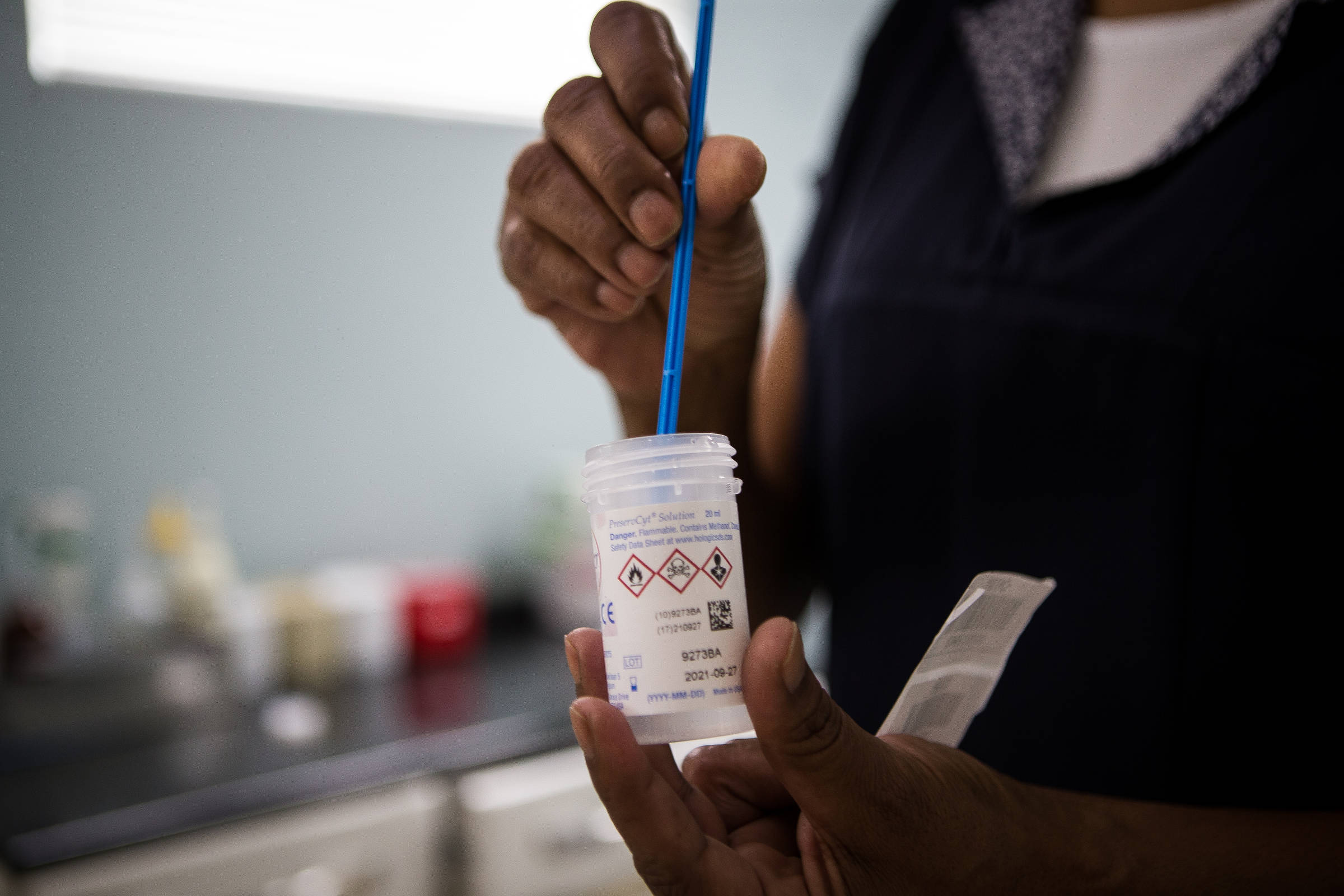
Brazil has taken a significant step in public health policy with a modern legal mandate designed to lower barriers to cancer prevention. President Luiz Inácio Lula da Silva has sanctioned a law that now obliges companies to guide their employees on preventive health measures and grants specific leave for medical screenings.
The legislation specifically addresses the prevention of Human Papillomavirus (HPV) and other forms of cancer. By removing the conflict between professional obligations and healthcare, the law aims to increase the frequency of early detection screenings, which are critical for reducing mortality rates associated with these diseases.
Under the new mandate, employees are guaranteed up to three days of leave to undergo preventive exams. This legal shift transforms preventive care from a personal logistical challenge into a corporate responsibility, ensuring that workers do not have to choose between their paycheck and their health Lula sanctions law that obliges companies to guide employees on preventive health.
Corporate Obligations and Employee Rights
The law does not simply grant time off; it imposes a proactive duty on employers. Companies are now required to inform their staff about the right to accept leave for preventive examinations and must provide guidance regarding the importance of vaccinations and cancer screenings.
This requirement is designed to tackle the information gap that often prevents employees from seeking care. In many corporate environments, workers may be unaware of available health rights or may experience discouraged from requesting time off for non-emergency medical visits. By mandating that companies communicate these rights, the Brazilian government is institutionalizing a culture of prevention within the workplace.
The focus on HPV is particularly noteworthy. HPV is a primary cause of cervical cancer, and early detection through regular screenings can lead to highly successful interventions. By granting up to three days of leave, the law accounts for the time needed for scheduling, the procedure itself, and any necessary recovery or follow-up appointments.
The Impact on Public Health and Early Detection
From a medical perspective, the timing of this legislation is critical. Preventive health is the most effective tool in the fight against cancer. When screenings are delayed due to work constraints, cancers are often detected at more advanced stages, which complicates treatment and lowers survival rates.
By integrating health guidance into the corporate structure, the law helps normalize the practice of regular check-ups. When an employer explicitly informs an employee of their right to a preventive exam, it reduces the stigma and the perceived “burden” of taking a day off for health reasons.
the inclusion of vaccination information in the corporate guidance mandate is a strategic move to increase the uptake of the HPV vaccine. Vaccinating adolescents and young adults is one of the most effective ways to prevent the onset of HPV-related cancers later in life.
Key Takeaways of the New Legislation
- Mandatory Guidance: Companies must now inform employees about preventive health, including cancer screenings and vaccinations.
- Guaranteed Leave: Employees are entitled to up to three days off to perform preventive exams.
- Targeted Prevention: A strong emphasis is placed on HPV prevention and the early detection of cancer.
- Legal Enforcement: The law has been officially sanctioned by President Lula, making it a binding requirement for businesses.
What This Means for the Global Healthcare Landscape
Brazil’s approach reflects a growing global trend toward “wellness-centric” labor laws. By treating preventive health as a legal right rather than a corporate perk, the state is attempting to reduce the long-term burden on the public healthcare system. Fewer advanced-stage cancer cases lead to lower treatment costs and better overall public health outcomes.

For employees, this means a significant reduction in the anxiety associated with scheduling medical appointments. The ability to take leave without fear of professional penalty encourages a proactive approach to health that can save lives.
For employers, whereas this introduces a new administrative requirement, it potentially leads to a healthier, more productive workforce and reduces the likelihood of long-term disability leave resulting from late-stage illness.
As this law is implemented, the next phase will likely involve monitoring the increase in screening rates across different sectors of the Brazilian workforce to determine the effectiveness of the mandate.
We invite our readers to share their thoughts on this policy in the comments below. Do you believe similar mandates should be implemented in other countries to encourage preventive care?
Related reading