
As the landscape of preventative healthcare continues to evolve, the medical community is placing a renewed focus on early detection strategies for colorectal cancer. With recent shifts in clinical guidance, patients now have a broader array of choices for screening, reflecting an ongoing effort to improve accessibility and patient compliance. For many adults, these developments represent a significant step forward in the management of long-term health, as early intervention remains the most effective tool in reducing the burden of this disease.
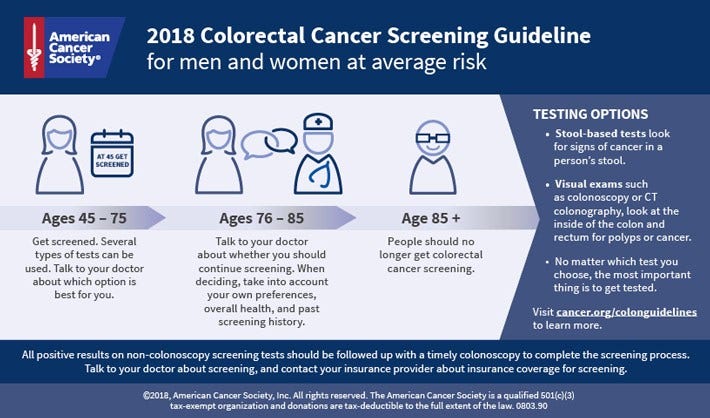
The updated guidelines, released in May 2026, arrive amidst a broader conversation regarding the rising incidence of colorectal cancer in younger populations. This trend notably influenced the 2018 decision by the American Cancer Society to lower the recommended age for average-risk screening from 50 to 45 years. By expanding the toolkit available to clinicians and patients, these new recommendations aim to remove barriers that have historically hindered consistent participation in life-saving screenings.
Screening is essential to prevent and effectively treat colorectal cancer. Varlay/iStock via Getty Images Plus
Expanding the Options for Colorectal Cancer Screening
The updated guidelines introduce two additional methods for screening, providing alternatives for individuals who may face logistical or personal barriers to traditional procedures. The first new option involves an at-home screening test designed to analyze stool samples for hidden blood and specific molecular markers associated with colorectal cancer. According to the updated recommendations, this test should be conducted every three years to maintain an effective screening cadence.
A second, blood-based screening test has also been introduced for use in a clinical setting. This option is specifically intended for patients who express a preference against undergoing a colonoscopy or a stool-based test. While these additions broaden the scope of available care, the primary, gold-standard methods remain a choice between stool-based testing and direct visual examinations, such as a colonoscopy.
Talk to your doctor about potential cancer symptoms. Keeproll/E+ via Getty Images
Understanding the Role of the Colonoscopy
Despite the introduction of new screening modalities, the colonoscopy continues to be categorized as the preferred screening test for colorectal cancer by medical experts. For patients who exhibit specific signs or symptoms—such as the presence of blood in the stool—or those with a known family history or genetic predisposition to the disease, a colonoscopy is the only recommended course of action. This direct visual examination allows for the immediate identification and removal of polyps, which are often the precursors to cancerous growth.
Will Smith documented his first colonoscopy.
The clinical reality is that many healthcare providers may not immediately offer the newest stool or blood-based tests, as the integration of new diagnostic tools into standard practice takes time. The effectiveness of these alternatives is not uniform. For instance, blood-based tests are currently positioned as an option for patients who decline other, more sensitive methods. It is also critical for patients to understand that if any stool-based or blood-based test yields a positive or abnormal finding, a follow-up colonoscopy will be required to confirm the diagnosis and determine the appropriate medical response.
Recognizing Symptoms and Reducing Risk
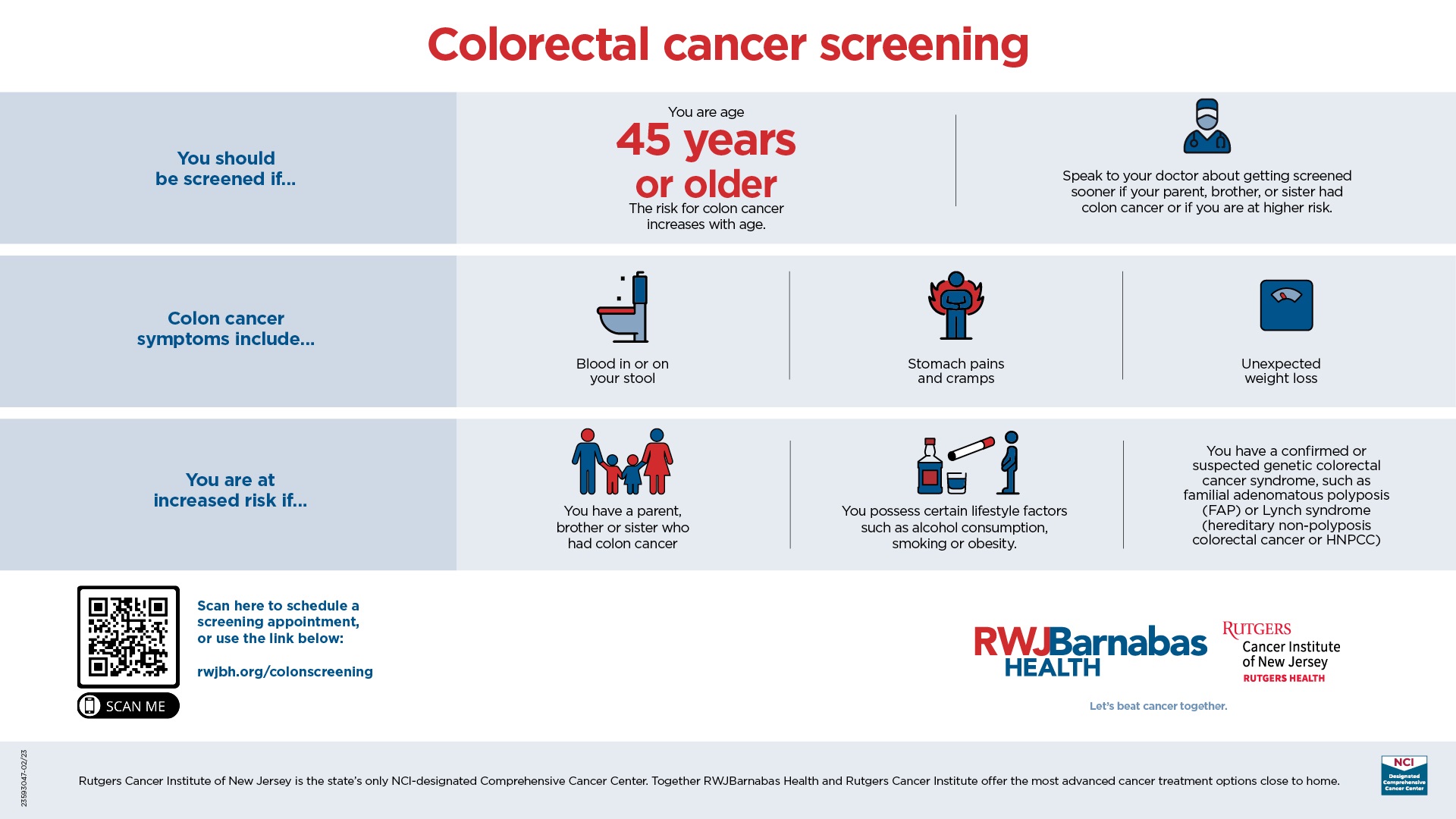
Colorectal cancer is often asymptomatic in its early stages, which underscores the necessity of adhering to recommended screening schedules starting at age 45. While screening is the most reliable method for detection, being attuned to one’s physical health is equally vital. Common warning signs that necessitate an immediate conversation with a healthcare provider include:
- Persistent changes in bowel habits.
- The presence of blood in the stool.
- Unexplained abdominal pain or discomfort.
- Unintentional weight loss of 10 or more pounds.
Beyond screening, lifestyle choices play a recognized role in mitigating risk. Health authorities emphasize the importance of daily physical activity—targeting at least 30 minutes of movement—alongside a balanced diet rich in vegetables, fruits, and fiber. Limiting the consumption of processed foods and alcohol, while avoiding smoking and vaping, are also widely cited as effective strategies for lowering the risk of colorectal and other malignancies. For further information on prevention and local screening availability, patients are encouraged to consult resources provided by the Centers for Disease Control and Prevention.
Looking Ahead
As medical science advances, the focus remains on personalizing care and ensuring that the “best test” is the one that is actually completed. The updated guidelines represent a commitment to meeting patients where they are, offering flexibility without compromising the rigorous standards required for cancer prevention. Patients should remain in contact with their primary care physicians to discuss which screening path aligns with their individual risk profile and medical history. As new clinical data emerges and implementation of these guidelines continues across healthcare systems, further updates regarding efficacy and accessibility are expected in the coming months. We invite readers to share their thoughts and experiences with these new screening options in the comments section below.
Worth a look