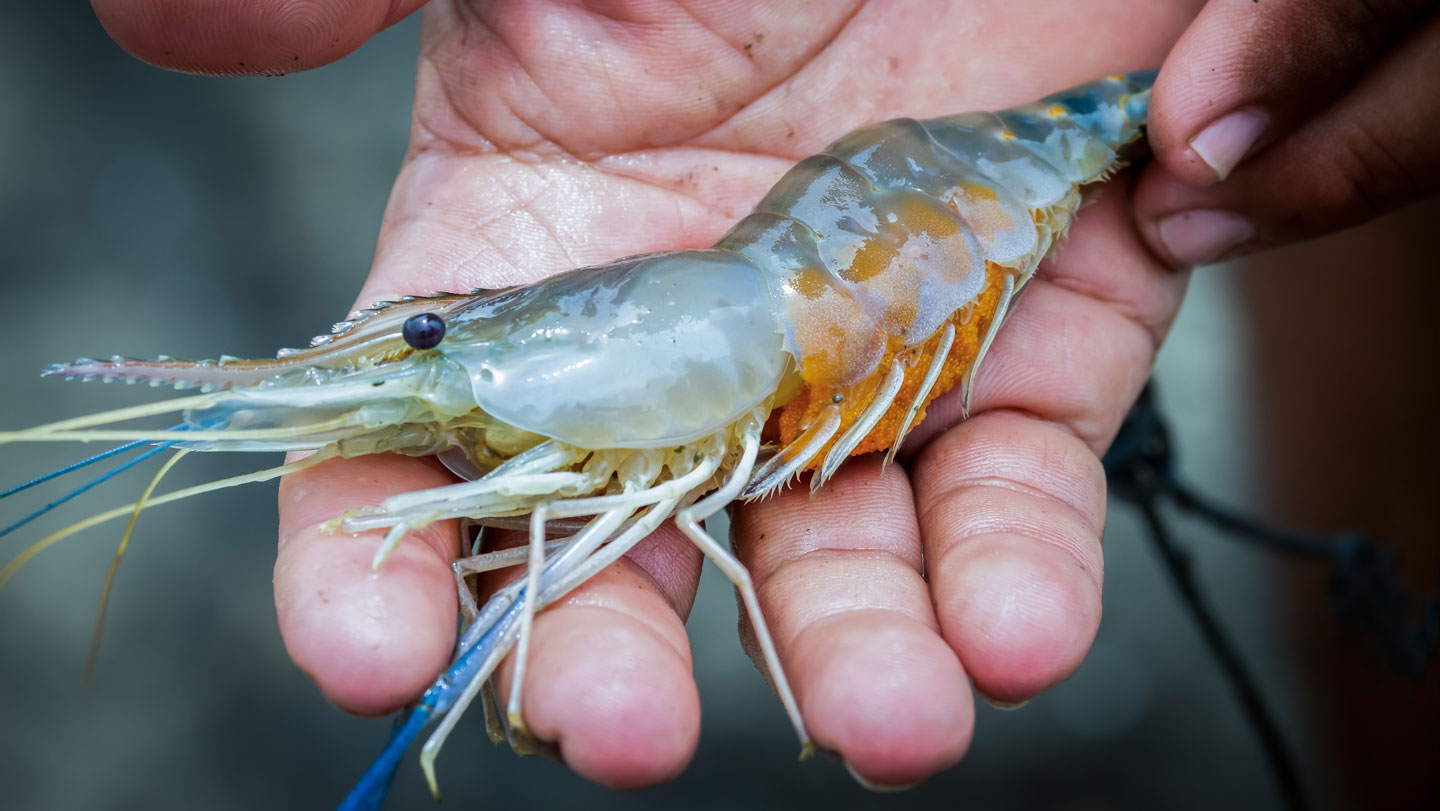
The landscape of aquaculture is undergoing a quiet but profound transformation. As global food security concerns mount, the development of a shrimp vaccine for commercial use represents a significant shift in how we approach disease management in invertebrate populations. For decades, the medical community has focused vaccination efforts almost exclusively on vertebrates—animals with backbones—but new biotechnological advancements are proving that innate immunity can be effectively harnessed across a much broader spectrum of life.
This movement toward preventative health in the seafood sector is not merely an academic exercise; it is an industrial necessity. With the global shrimp industry valued at approximately $45 billion, the economic impact of viral outbreaks, such as the White Spot Syndrome Virus (WSSV), is catastrophic for producers and consumers alike. By training the innate immune systems of shrimp prenatally, researchers are aiming to provide a non-chemical, sustainable alternative to traditional disease control methods.
Harnessing Innate Immunity in Aquaculture
The core of this innovation lies in the understanding of the innate immune system. Unlike the adaptive immune system, which relies on memory cells to identify specific pathogens, the innate immune system acts as a rapid, non-specific, first-line defense. For years, this system was considered too rudimentary to “train” in a way that would provide long-term protection. However, recent biotechnology applications are challenging that assumption.
Dalan Animal Health, a U.S.-based biotech company, has been at the forefront of this shift. According to recent industry reports, the company has successfully adapted technology originally proven effective in honeybees to the aquaculture sector. By activating the innate immune system of shrimp during their embryonic or larval stages, the platform enables a form of species-wide disease resistance that remains active as the animals mature.
This approach moves the needle away from the heavy reliance on antibiotics and other chemical treatments, which have long been a point of contention regarding ecological sustainability and food safety. As Dr. Annette Kleiser, CEO of Dalan Animal Health, noted in industry discussions, the goal is to provide the shrimp industry with tools that bolster both economic viability and ecological health.
Beyond Vertebrates: A New Paradigm
The shift toward vaccinating invertebrates like shrimp and honeybees marks a pivotal moment in veterinary science. Historically, the “vaccine” label was synonymous with mammals, birds and fish. Expanding this concept to invertebrates requires a nuanced understanding of how these organisms interact with their environment and the pathogens within it.
The honeybee vaccine, which Dalan reports has already been deployed to protect over 20,000 colonies, served as the initial validation for this platform. The success in that sector provided the proof-of-concept necessary to secure interest and investment in aquaculture applications. The ability to prime an organism’s immune system to recognize and neutralize threats before they take hold is a fundamental change in how we manage livestock health.
Key Considerations for the Future of Aquaculture
- Sustainability: Reducing the environmental footprint of shrimp farming by minimizing the need for chemical intervention.
- Food Security: Protecting a high-protein food source from viral pathogens that can decimate entire production cycles.
- Economic Stability: Mitigating the financial risks associated with mass mortality events in the $45 billion global shrimp market.
- Technological Scalability: Determining whether this innate-immunity platform can be applied to other crustacean or invertebrate species.
What Happens Next?
While the technology is promising, the path to widespread commercial adoption will involve rigorous regulatory oversight and continued field trials. Stakeholders in the aquaculture industry are currently monitoring the development of these vaccines to assess their efficacy in diverse farming environments, from intensive indoor systems to open-water ponds.
The industry is now awaiting the next phase of longitudinal data, which will provide further clarity on the duration of protection and the scalability of the prenatal treatment process. As researchers continue to refine these protocols, the focus will remain on transparent, data-driven outcomes that ensure the health of both the farmed populations and the ecosystems in which they reside.
We invite our readers to join the conversation on the future of sustainable food production. As this story develops, please share your thoughts or questions in the comments section below, and stay tuned to our Health section for further updates on medical innovations in animal and environmental health.
Keep reading