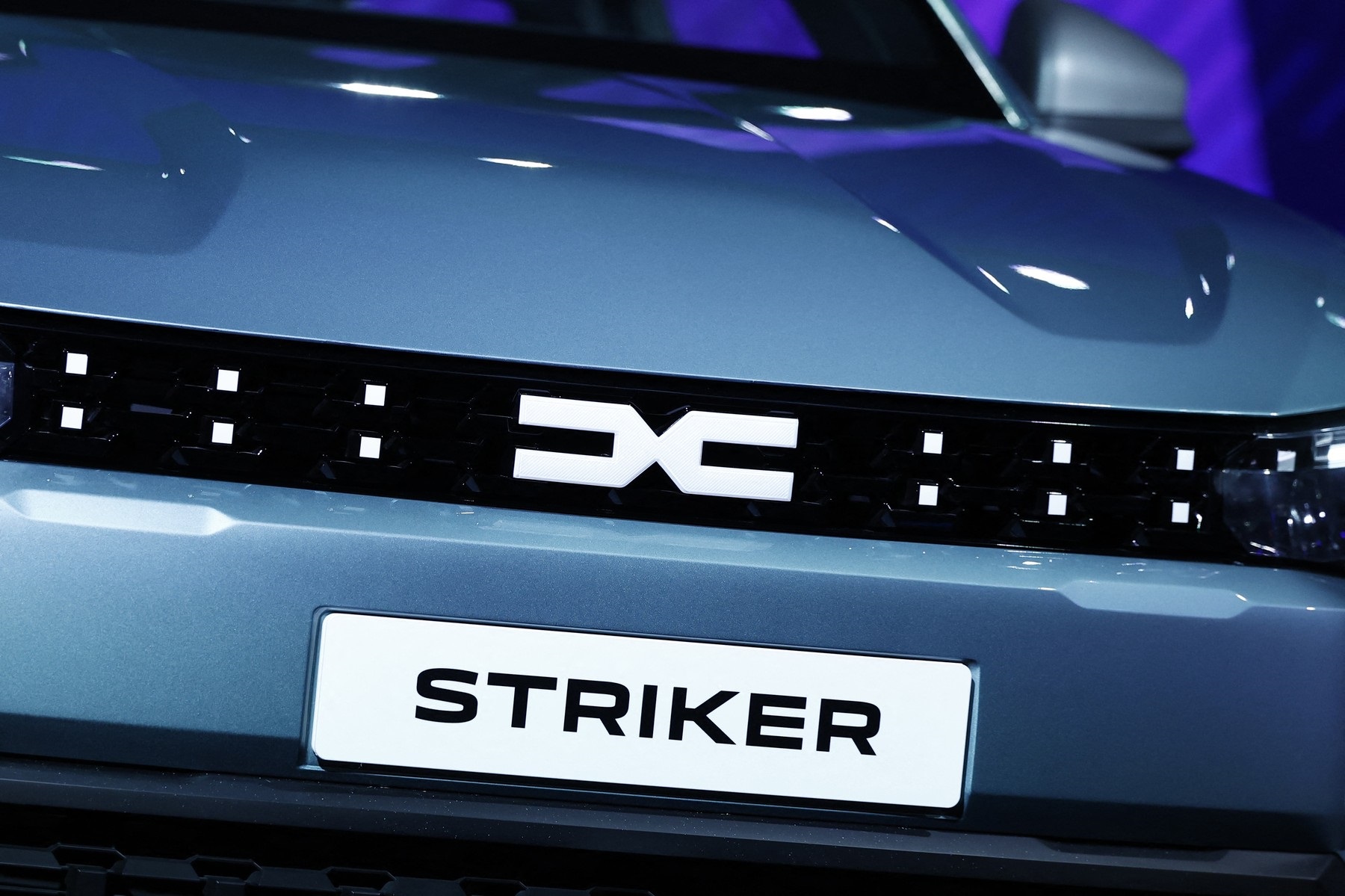
Dacia’s long-rumored entry into the high-performance electric vehicle segment has garnered significant attention from European automotive enthusiasts, specifically following recent design concepts circulating in the Spanish market. While the manufacturer has not officially confirmed a model under the name “Striker,” industry analysts note that the brand’s shift toward more aggressive, angular design languages—most notably seen in the Dacia Manifesto concept—has sparked widespread speculation regarding a future performance-oriented hatchback.
According to reports from automotive industry monitors, the positive reception among Spanish consumers reflects a broader trend of brand repositioning for the Romanian automaker. Dacia, a subsidiary of the Renault Group, has successfully transitioned from a budget-focused utility manufacturer to a design-forward contender, as evidenced by the commercial success of the Dacia Jogger and the latest generation Duster, according to the Renault Group’s official brand performance data.
Evolving Design Language and Market Perception
The “Striker” name, which has appeared in various enthusiast forums and automotive news outlets, is frequently associated with speculative renderings that emphasize a more muscular, aerodynamic aesthetic. Industry observers suggest that these designs aim to bridge the gap between Dacia’s core value proposition and the increasing demand for visually striking, electrified vehicles in the European Union.
.jpg "Evolving Design Language and Market Perception")
Data from the European Automobile Manufacturers’ Association (ACEA) indicates that consumer preferences in the EU are shifting toward compact electric vehicles that prioritize exterior styling and connectivity. Dacia’s current design trajectory, characterized by the “Bigster” and “Manifesto” concepts, utilizes a “Robust & Outdoor” philosophy that appears to resonate with markets that previously viewed the brand solely through the lens of affordability.
The Shift Toward Electrification
Dacia’s strategy for electrification is currently anchored by the Dacia Spring, which remains one of the most accessible electric vehicles in Europe. However, analysts point out that the company faces increasing pressure to diversify its portfolio to include models that compete with mainstream performance hatchbacks. As reported by Reuters, Dacia’s management has signaled a move toward higher-margin segments, aiming to leverage the CMF-B platform to produce more sophisticated, feature-rich vehicles in the coming years.

The transition to the CMF-B platform is a central pillar of the Renault Group’s “Renaulution” strategy, intended to streamline production costs while allowing for greater differentiation between the core brand and its subsidiaries. By utilizing shared architecture, Dacia is positioned to implement advanced driver-assistance systems (ADAS) and improved infotainment suites without the traditional R&D overhead associated with bespoke vehicle development.
What Lies Ahead for Dacia’s Product Roadmap
While the “Striker” remains a speculative project, the company has officially confirmed the expansion of its lineup with the upcoming Bigster, an SUV positioned above the Duster. According to the official Dacia news portal, the brand is focused on maintaining its “essential” identity while expanding into the C-segment, a move that could eventually pave the way for more experimental body styles if market demand remains high.
Market analysts monitoring European automotive trends suggest that the next major milestone for the brand will be the official launch of the Bigster, which is expected to provide further insights into how the company intends to balance its reputation for value with the aesthetic demands of a more design-conscious consumer base. Dacia has not provided a production timeline for any vehicle matching the “Striker” description.

As the automotive sector continues to adapt to stringent emission standards and evolving consumer tastes, Dacia’s ability to maintain its growth trajectory will likely depend on its successful integration into the premium-leaning segments of the market. Readers interested in the official development of the Dacia brand are encouraged to monitor the Renault Group investor relations and news pages for confirmed product announcements and strategic updates.
What are your thoughts on Dacia’s design evolution? Are you interested in seeing a performance-oriented EV from the brand? Join the conversation in the comments section below or share this article with your network to keep the discussion going.
Related reading