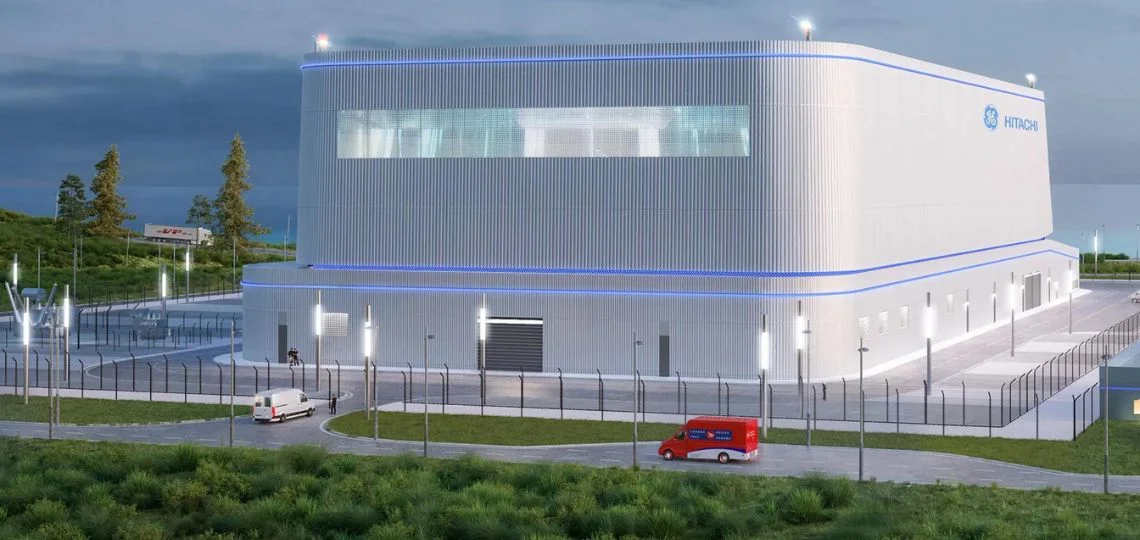
Elementl Power has initiated plans to develop a 1.5-gigawatt nuclear energy project in Ohio, utilizing five BWRX-300 small modular reactors (SMRs). The company has secured a site for the facility and submitted a formal interconnection request to PJM Interconnection, the regional transmission organization responsible for managing the power grid across 13 states and the District of Columbia, according to records filed with the grid operator.
The proposed development marks a significant move in the shifting landscape of regional energy production, as developers look to address increasing electricity demand driven by industrial expansion and data center growth. By targeting a 1.5-GW capacity, the project aligns with broader utility-scale efforts to integrate carbon-free, baseload power into the PJM territory, which is currently navigating a period of rapid transition away from coal-fired generation.
Project Scope and Grid Integration
The core of the proposal involves the deployment of the BWRX-300, a 300-megawatt water-cooled, natural circulation SMR designed by GE Hitachi Nuclear Energy. According to the U.S. Nuclear Regulatory Commission (NRC), SMRs are defined by their smaller physical footprint and modular construction, which allow for assembly in factories before transport to the final site. The use of five such units would provide the 1.5-GW output specified in the developer’s recent filings.

The interconnection request submitted to PJM Interconnection is a standard, yet critical, step in the development lifecycle for any large-scale generation project. This process, governed by the PJM interconnection queue, requires the operator to conduct rigorous impact studies to ensure that adding such a significant power source will not compromise the stability or reliability of the regional electric grid. These studies evaluate everything from thermal loading on transmission lines to short-circuit duty, often spanning several years before a project can move toward construction.
Ohio’s Energy Landscape and Regulatory Hurdles
Ohio remains a strategic focal point for energy developers due to its central location in the PJM market and its history of industrial energy consumption. However, any new nuclear project faces a complex regulatory path. Before a single unit can break ground, the project must navigate the NRC’s comprehensive licensing process, which includes safety reviews, environmental impact assessments, and opportunities for public comment.
The timeline for such projects is often measured in years, if not decades. Unlike traditional large-scale nuclear reactors, SMRs are intended to offer a faster deployment schedule, though the technology remains in the early stages of commercial rollout. The project must also comply with state-level zoning and environmental regulations, as well as potential scrutiny from local stakeholders regarding land use and water resources required for reactor cooling.
Industry Context and Future Outlook
The interest in SMR technology has surged as major technology firms and industrial manufacturers seek reliable, 24/7 carbon-free electricity to power energy-intensive operations. The U.S. Department of Energy has identified SMRs as a vital component in meeting national climate goals, citing their potential to provide flexible, scalable power that complements intermittent renewable sources like wind and solar.
The success of the Elementl Power proposal will depend on several variables, including the outcome of the PJM grid impact studies, the ability to secure long-term power purchase agreements (PPAs), and the final certification of the BWRX-300 technology for wide-scale deployment. As the project moves through the queue, observers will be watching for updates regarding site-specific environmental reviews and the engagement of local utility partners.
The next confirmed stage for the project involves the processing of the interconnection request by PJM Interconnection, which will eventually lead to a series of published feasibility and impact reports. Readers interested in the status of this request can monitor the PJM Interconnection Queue for future updates. We invite our readers to share their perspectives on the role of modular nuclear energy in the Midwest energy transition in the comments section below.
Worth a look