Health authorities in Italy have confirmed a new imported case of Dengue fever in the Umbria region, prompting local officials to initiate emergency mosquito control measures. The patient, whose identity has not been disclosed for privacy reasons, is currently hospitalized under medical observation. This incident follows a series of sporadic, travel-related reports of the viral infection across various Italian provinces, triggering standardized public health protocols to prevent local transmission, as outlined by the Istituto Superiore di Sanità (ISS).
Dengue fever is a viral infection transmitted to humans through the bite of infected Aedes albopictus, commonly known as the tiger mosquito. While the majority of cases in Europe are classified as “imported”—meaning the individual contracted the virus while traveling in endemic tropical or subtropical regions—the presence of the vector in Italy necessitates strict surveillance. According to the European Centre for Disease Prevention and Control (ECDC), the risk of local outbreaks increases during summer months when mosquito activity peaks and human travel to affected areas is highest.
Emergency Mosquito Control Measures
In response to the confirmed case, the local municipal health department has mandated targeted disinfestation procedures, commonly referred to as sanificazione. These interventions focus on specific geographic areas, often defined by a radius of several hundred meters surrounding the patient’s residence and any locations they frequented while symptomatic. The primary objective is to eliminate adult mosquitoes and larvae to break the potential chain of transmission, a practice governed by national guidelines for the prevention of arboviruses in Italy.
These operations typically involve the use of biocides applied in public areas and, with owner consent, within private gardens and courtyards. Health officials emphasize that the effectiveness of these measures relies on the rapid cooperation of the community. Residents in affected zones are often requested to keep windows closed during the spraying, avoid contact with treated surfaces until they are dry, and remove any standing water from pots or containers—the primary breeding grounds for the tiger mosquito.
Responsibilities and Public Health Obligations
Beyond the immediate emergency disinfestation, regional health authorities in Umbria and across Italy place significant emphasis on the role of private citizens in vector control. Under standard public health ordinances, property owners are legally required to manage their outdoor spaces to prevent mosquito proliferation. This includes the mandatory treatment of catch basins with larvicides and the regular maintenance of drainage systems.

The National Tiger Mosquito Monitoring Program provides technical guidance on how residents can contribute to reducing the vector population. Simple actions, such as covering rain barrels, cleaning gutters, and ensuring that tarps or plastic sheets do not collect water, are critical. Failure to adhere to these ordinances can, in some jurisdictions, result in administrative fines, as local governments seek to mitigate the public health risks associated with the increasing presence of invasive mosquito species.
Understanding Dengue Fever
As a physician, I frequently remind patients that Dengue fever typically presents with a sudden onset of high fever, often accompanied by severe headache, retro-orbital pain (pain behind the eyes), muscle and joint aches, and a characteristic rash. While many cases are mild or asymptomatic, a small percentage can progress to severe Dengue, which requires urgent inpatient care. There is no specific antiviral treatment for the disease; clinical management focuses on fluid replacement and supportive care to manage symptoms.
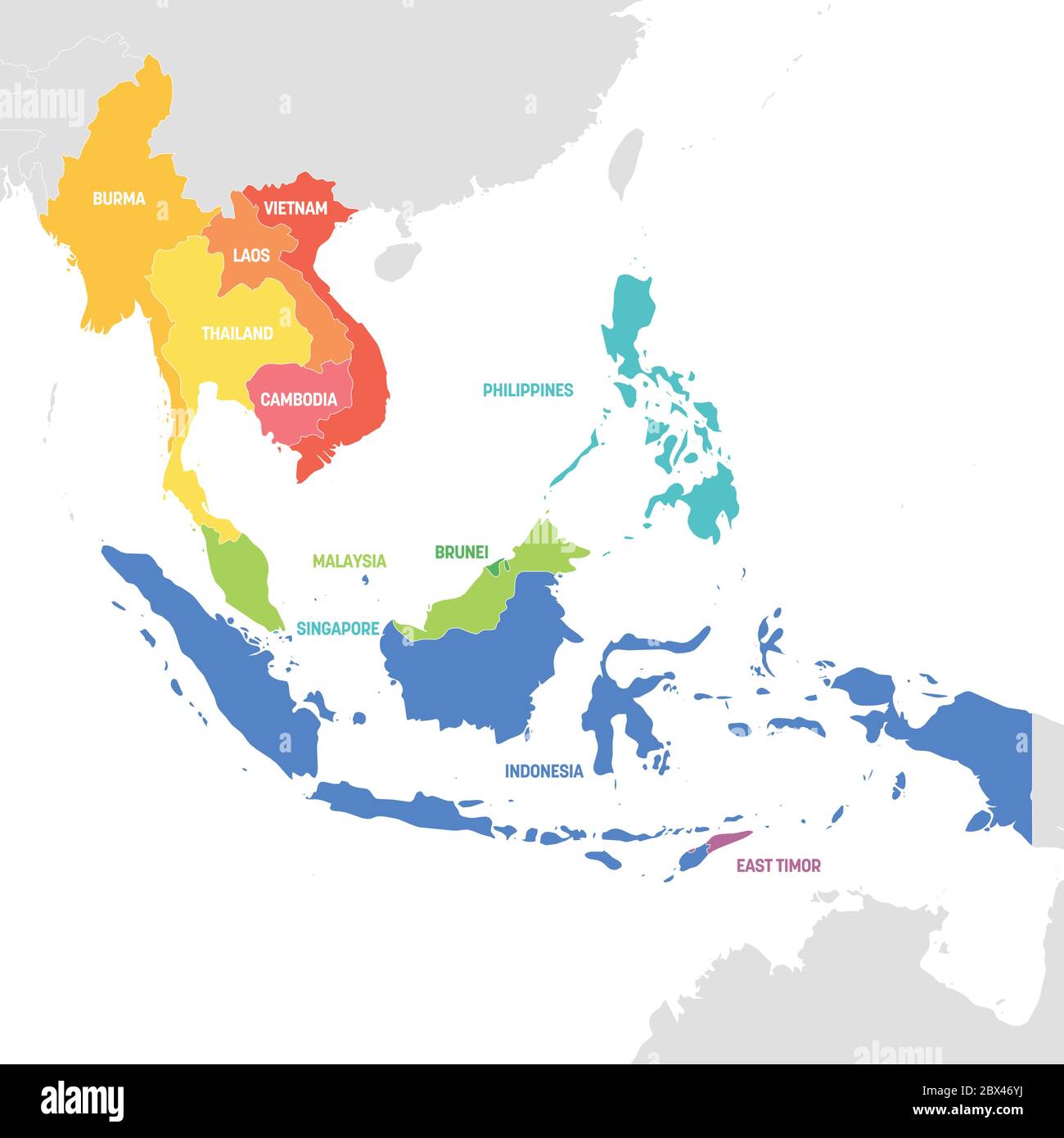
It is essential for travelers returning from countries where Dengue is endemic—such as those in Southeast Asia, the Americas, and parts of Africa—to monitor their health for up to 14 days after their return. If symptoms manifest, they should contact their general practitioner immediately and inform them of their recent travel history. Prompt notification allows health authorities to conduct necessary environmental assessments and, if required, implement the protective measures that have been activated in this recent Umbria case.
Monitoring and Ongoing Surveillance
The current situation in Umbria remains under close supervision by the regional health authority (Azienda Unità Sanitaria Locale). Officials continue to monitor for any secondary cases, though no evidence of local transmission has been reported at this time. The public is encouraged to check local municipal websites for specific maps of the disinfestation zones and to adhere to the directives issued by their respective local health offices.

The next update on the regional epidemiological situation is expected through the official bulletins published by the Regione Umbria health portal. As we continue to navigate the challenges posed by vector-borne diseases in a changing climate, community awareness and active cooperation remain our most effective tools in public health. If you have questions regarding the symptoms of Dengue or the specific ordinances in your municipality, please consult your local health authority’s official communications or speak with your primary care physician.
Have you noticed increased mosquito activity in your area, or do you have questions about local health ordinances? Share your thoughts and experiences in the comments below.
Keep reading