
As we continue to navigate the complexities of metabolic health in 2026, the medical community is increasingly focused on identifying the earliest markers of chronic disease. Recent advancements in cellular biology have brought us closer to understanding the silent progression of diabetes, particularly the mechanisms that precede clinical diagnosis. For millions living with or at risk for metabolic disorders, this shift in research focus represents a move toward more proactive, rather than reactive, healthcare.
The quest to identify a silent biological marker for diabetes—a precursor that exists long before the onset of classic symptoms—has become a cornerstone of modern endocrinology. By focusing on the cellular pathways that govern insulin production and glucose metabolism, researchers are exploring whether People can intervene before the pancreas loses its functional capacity to regulate blood sugar, as outlined by the National Institute of Diabetes and Digestive and Kidney Diseases (NIDDK).
Understanding Cellular Dysfunction in Diabetes
At the heart of diabetes research is the attempt to decode why insulin-producing beta cells fail. In Type 1 diabetes, an autoimmune response results in the destruction of these cells, while Type 2 diabetes is characterized by both insulin resistance and a gradual decline in beta-cell function. According to the World Health Organization (WHO), diabetes remains a global health priority, with rising prevalence rates necessitating more sophisticated early-detection methods and innovative treatment modalities.
Recent scientific inquiries are examining the “cellular stress” hypothesis, which suggests that long before a patient experiences elevated blood glucose levels, their cells may be exhibiting subtle signs of dysfunction. This “silent” phase could involve endoplasmic reticulum stress or mitochondrial impairment, both of which are currently being studied as potential early-warning indicators. These biological shifts, if detected early, could theoretically allow for therapeutic stabilization of the cell, potentially delaying or preventing the progression to overt disease.
Innovative Approaches to Insulin Management
The long-term goal of many researchers is to move beyond external insulin supplementation. By developing techniques to produce functional insulin-secreting cells—often referred to as islet cell transplantation or stem-cell-derived therapies—the medical community aims to restore the body’s natural ability to manage glucose levels. While these technologies are still largely in the realm of clinical trials and preclinical research, they offer a transformative vision for the future of diabetes care.
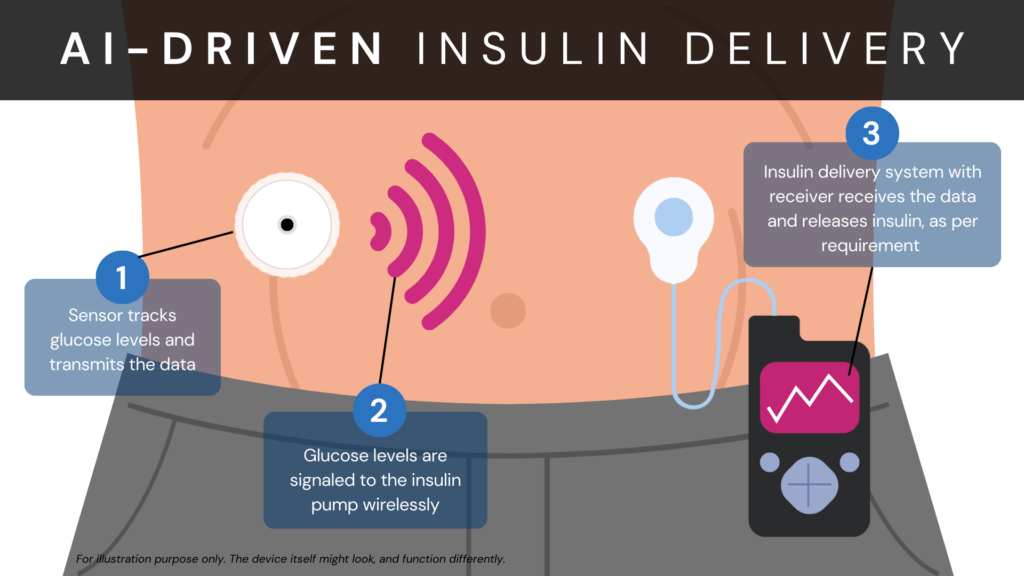
As noted by the Centers for Disease Control and Prevention (CDC), the management of diabetes is multifaceted, involving diet, exercise, and pharmacological intervention. The development of new “gel-based” delivery systems or bio-engineered cells is intended to augment, and perhaps eventually replace, the need for daily insulin injections. However, the path from laboratory breakthrough to clinical application is rigorous, requiring extensive safety and efficacy testing to ensure long-term patient outcomes.
The Road Ahead: Monitoring and Patient Safety
For patients and clinicians, the distinction between research breakthroughs and standard clinical practice remains vital. While reports of “medical revolutions” often circulate in the media, it is important to rely on verified, peer-reviewed data. As an editor in the health space, I emphasize that any new diagnostic tool or treatment must undergo the scrutiny of regulatory bodies such as the U.S. Food and Drug Administration (FDA) before becoming available for general patient use.
If you are concerned about your metabolic health, the most effective steps remain consistent with established public health guidelines: regular screenings, healthy lifestyle modifications, and open communication with your primary care physician or endocrinologist. Monitoring for early signs of insulin resistance, such as pre-diabetes, is a proven way to manage long-term risks. We are currently tracking ongoing clinical trials and regulatory updates regarding novel diabetes therapies, with further information expected in the coming months as researchers release findings from their latest observational studies.
We invite our readers to stay informed by following official updates from health authorities and consulting with their healthcare providers regarding new diagnostic options. Have you discussed your metabolic health markers with your physician recently? Join the conversation below and share your thoughts on the future of diabetes management.
Keep reading