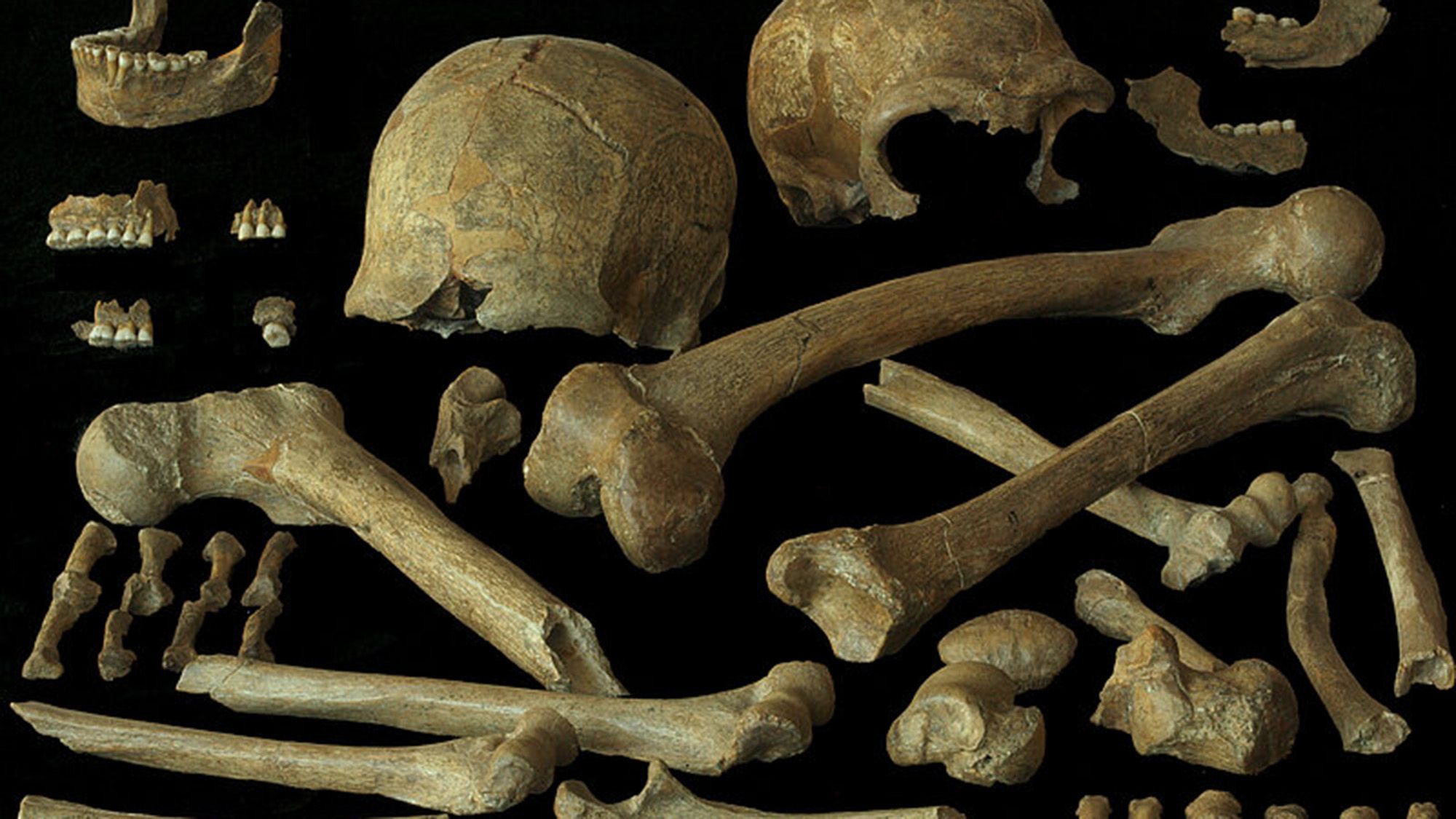
New genomic evidence published in the journal Nature indicates that late-surviving Neanderthals in northwestern Europe possessed higher levels of genetic diversity than previously documented, challenging long-standing theories that inbreeding caused the species’ extinction. By analyzing DNA from 27 additional individuals, researchers have identified a complex, interconnected population structure that contradicts earlier models based on isolated, inbred groups found in Siberia. This discovery suggests that environmental factors and social dynamics, rather than inherent genetic collapse, likely played a more significant role in the disappearance of our closest extinct relatives.
As a physician and journalist who has followed paleogenetic research for over a decade, I find this shift in our understanding of Neanderthal history particularly compelling. For years, the prevailing scientific narrative suggested that small, fragmented groups of Neanderthals were doomed by genetic deterioration. This new data, however, provides a more nuanced view of how these populations lived and interacted across the European landscape roughly 50,000 years ago.
Challenging the Inbreeding Hypothesis
The assumption that Neanderthals were universally plagued by inbreeding largely stemmed from the analysis of a limited number of high-quality genomes, most of which were recovered from the Altai Mountains in Russia. According to the Max Planck Institute for Evolutionary Anthropology, these Siberian samples represented populations at the extreme periphery of the Neanderthal range, where small group sizes likely necessitated mating between close relatives. The new study, which includes a high-quality genome from Western Europe, reveals that populations in the Meuse Basin of Belgium and northern France did not exhibit the same level of genetic isolation.
Researchers recovered genetic data from 10 distinct archaeological sites. By comparing these findings with earlier datasets, the team identified that the late Neanderthals of northwestern Europe were part of a larger, more mobile, and genetically diverse network. This suggests that the “inbreeding trap” was not a universal condition, but rather a regional phenomenon restricted to specific, isolated environments. The study provides a crucial corrective to the idea that genetic decline was the inevitable end-point for the species.
Researchers examined Neanderthal remains found in the Goyet cave system in Belgium. (Image credit: Mateja Hajdinjak)
Environmental Shifts and Population Expansion
The genetic analysis indicates that the Neanderthal population in northwestern Europe split into at least four distinct groups approximately 54,000 years ago. According to the research team, these population fluctuations appear to correlate with periods of climate change. During relatively warmer intervals, these groups likely expanded their range, facilitating greater social interaction and genetic exchange.

This dynamic challenges the perception of Neanderthals as sedentary or socially stagnant. Instead, it suggests a species that was responsive to its environment, capable of adjusting its social structure to maintain genetic health during favorable climate windows. Understanding these population shifts is essential for reconstructing the late Pleistocene landscape and the factors that dictated the survival of hominin groups.
A femur (thigh bone) from a Neanderthal found in Belgium. (Image credit: E. Dewamme, Royal Belgian Institute of Natural Sciences, CC-BY 4.0)
The Asymmetry of Human-Neanderthal Interaction
A striking finding in the new data is the lack of evidence for recent interbreeding between the Neanderthals of Belgium and France and the modern humans (Homo sapiens) who were their contemporaries. While genetic legacies of past interbreeding are found in the DNA of most modern humans outside of Africa, this specific study found no recent human DNA within the Neanderthal samples analyzed.
This creates a noted asymmetry in the fossil record. As researchers have previously documented, there are several instances of early modern humans who possessed a Neanderthal ancestor only a few generations back. However, to date, there is not a single confirmed example of a Neanderthal individual with a recent modern human ancestor. Scientists have proposed several theories to explain this, including potential biological incompatibilities, such as those involving gene variants related to red blood cell function that may have led to pregnancy complications, as discussed in research published by the journal Nature.
Alternatively, some researchers suggest that social factors played a role. Carles Lalueza-Fox, an expert in paleogenetics at the Natural Sciences Museum of Barcelona, notes that this bias may reflect different social acceptance levels between the two groups. Whether due to biological barriers or social barriers, the lack of reciprocal gene flow remains one of the most intriguing mysteries in human evolutionary biology.
Future Directions in Paleogenetics
The study highlights the technical challenges inherent in ancient DNA research. Because genetic material degrades more rapidly in warmer climates, samples from the Iberian and Italian peninsulas—regions that were critical refugia for Neanderthals—remain more difficult to analyze than those from colder, northern environments. Future efforts will likely focus on refining extraction techniques to recover high-quality genomes from these warmer regions, which could provide a more complete picture of the species’ final millennia.
As we continue to build a more granular map of Neanderthal history, it becomes clear that we must avoid broad generalizations. The diversity observed in the Meuse Basin serves as a reminder that Neanderthals were a complex, varied, and resilient lineage. The disappearance of this species was likely the result of a multifaceted process, involving environmental pressures, competition, and the unique social structures of both Neanderthals and modern humans.
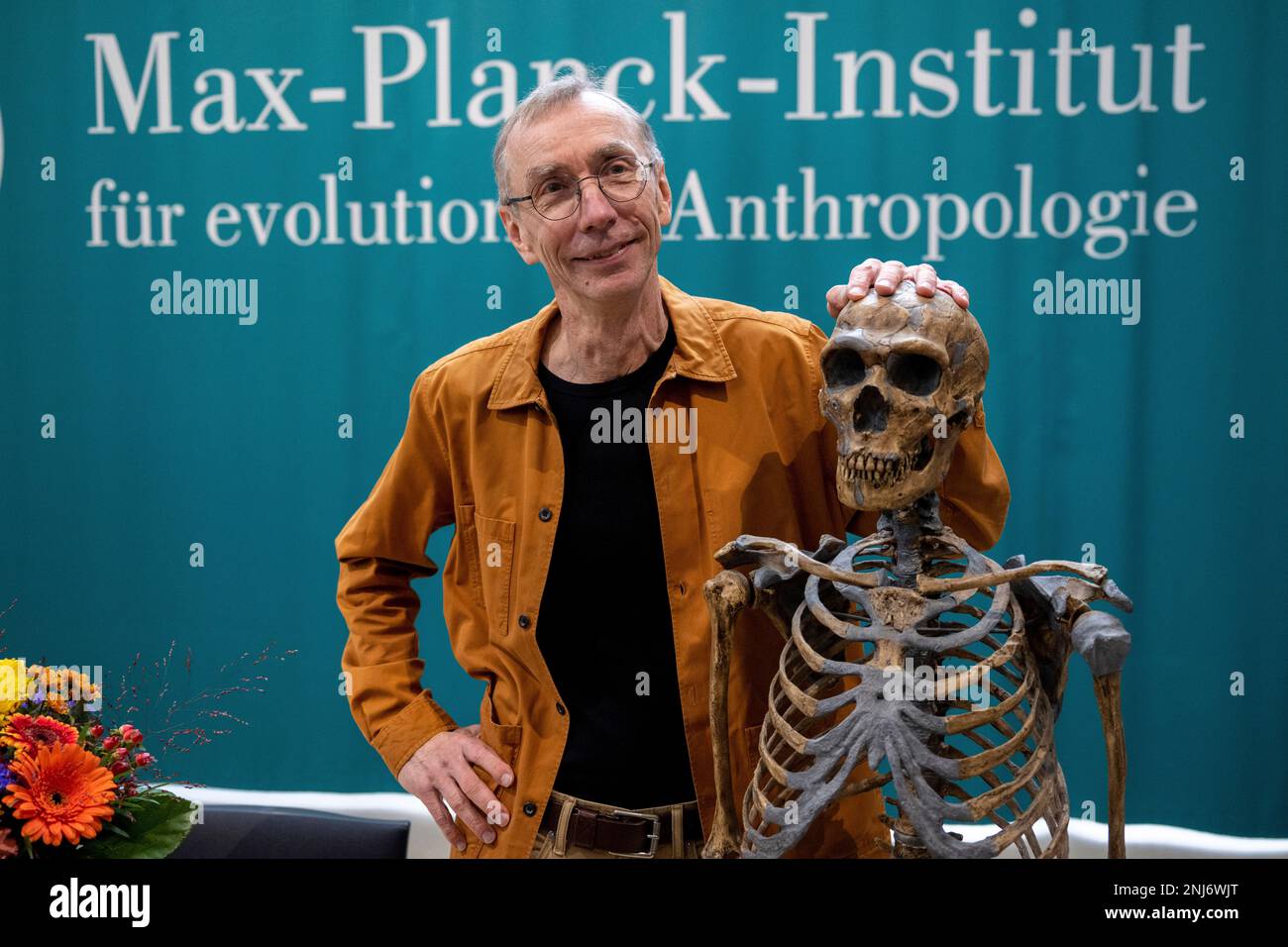
For those interested in the ongoing evolution of this field, the Max Planck Institute for Evolutionary Anthropology maintains regular updates on their latest findings in human origins. We encourage our readers to share their thoughts on these findings in the comments section below or join the discussion on our social media channels.
Related reading