
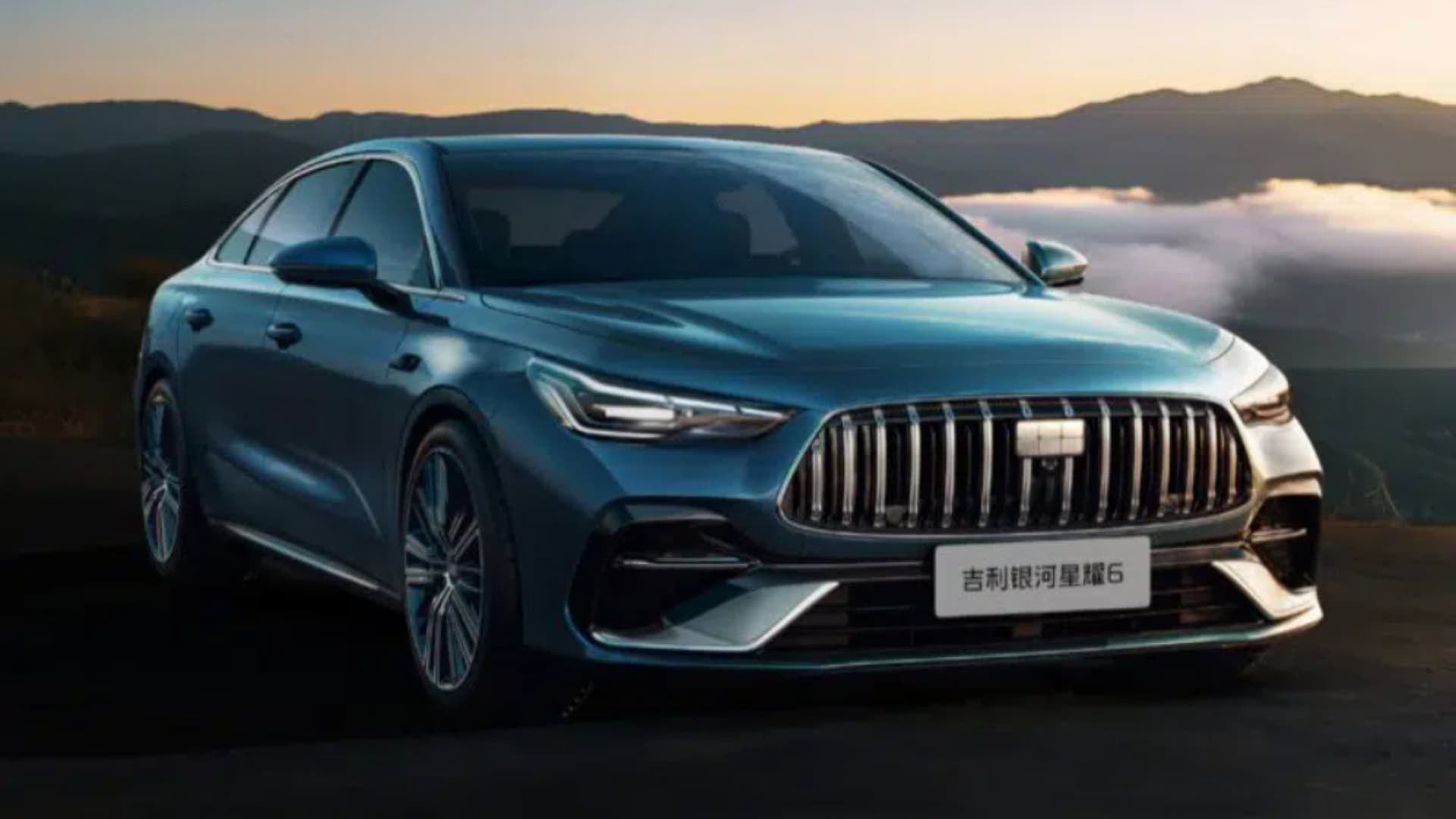
The global automotive landscape is currently undergoing a rapid transformation, characterized by an aggressive push toward electrification and the entry of highly competitive manufacturers from China. Among the most discussed developments in the sector is the emergence of high-performance plug-in hybrid electric vehicles (PHEVs) that promise to disrupt traditional pricing models. As international markets grapple with the transition to sustainable transport, the prospect of a vehicle offering 424 horsepower and a 220 km electric-only range for under 15,000 euros represents a significant shift in consumer expectations and industrial capabilities.
For many automotive analysts, these specifications underscore the intensifying competition within the Global Electric Vehicle Market. While the integration of such high-output powertrains and extended-range batteries at an accessible price point remains a challenge for legacy automakers, Chinese manufacturers are increasingly leveraging vertically integrated supply chains to achieve economies of scale. This development is not merely a technical milestone; it is a strategic maneuver designed to challenge established market leaders in both domestic and international arenas.
The Economics of High-Performance Hybridization
The allure of a 424-horsepower hybrid lies in the balance between performance and practicality. Historically, vehicles with such power outputs were relegated to the premium or luxury segments, often carrying price tags that excluded the average buyer. However, the current trend toward mass-market high-performance hybrids suggests a change in manufacturing philosophy. By utilizing advanced battery chemistries and modular platform architectures, companies are finding ways to reduce production costs while simultaneously increasing energy density and output efficiency.

According to the International Energy Agency (IEA), battery price trends have been instrumental in allowing manufacturers to offer more competitive features in the entry-level and mid-range vehicle segments. The 220 km electric-only range—a figure that significantly exceeds the capabilities of many current-generation plug-in hybrids—effectively bridges the gap between traditional combustion engines and full battery-electric vehicles (BEVs). For consumers, this means the ability to handle daily commutes entirely on electricity while retaining the flexibility of a gasoline engine for longer journeys, effectively removing the “range anxiety” that often hinders EV adoption.
Market Dynamics and Competitive Pressures
The arrival of such vehicles in the global market is expected to force a recalibration of pricing strategies across the automotive industry. As Chinese brands expand their footprint, they are creating a new benchmark for “value-for-money” in the high-performance segment. This pressure is particularly acute in Europe and other regions where environmental regulations are tightening and consumer demand for lower-emission vehicles is rising.

However, the transition is not without its hurdles. Regulatory environments, including European Union trade policies regarding Chinese electric vehicles, play a crucial role in determining the final retail price for consumers. Tariffs and other trade barriers can significantly alter the cost structure of imported vehicles, potentially impacting the affordability that these manufacturers aim to provide. For the average buyer, these geopolitical and trade-related factors are just as important as the horsepower or range specifications of the car itself.
Key Considerations for the Future
As the industry moves forward, several factors will determine the success of these high-performance hybrids:
- Infrastructure Development: The availability of charging stations remains critical for the adoption of any vehicle relying on battery power, even those with hybrid capabilities.
- Regulatory Compliance: Manufacturers must navigate diverse regional safety and emission standards, which can add complexity and cost to the manufacturing process.
- Supply Chain Resilience: The ability to source critical raw materials for batteries, such as lithium and cobalt, will dictate the long-term price stability of these vehicles.
The industry is also keeping a close watch on the “Fit for 55” legislative package, which aims to reduce net greenhouse gas emissions by at least 55% by 2030 in the European Union. This regulatory framework is pushing automakers to prioritize the development and rollout of low-emission vehicles, creating a fertile market for innovative hybrid technologies.
Looking Ahead
The next major checkpoint for the automotive industry will be the upcoming quarterly financial disclosures and production updates from major manufacturers, expected throughout the latter half of 2026. These updates will provide clearer insights into how these new hybrid models are performing in real-world market conditions and whether the projected price points remain sustainable under current global economic pressures.

As we continue to monitor this evolving sector, we invite our readers to share their perspectives on the shift toward high-performance, affordable hybrid vehicles. Are these models the key to unlocking mass-market electrification, or are there significant hurdles yet to be overcome? Please join the conversation in the comments section below.