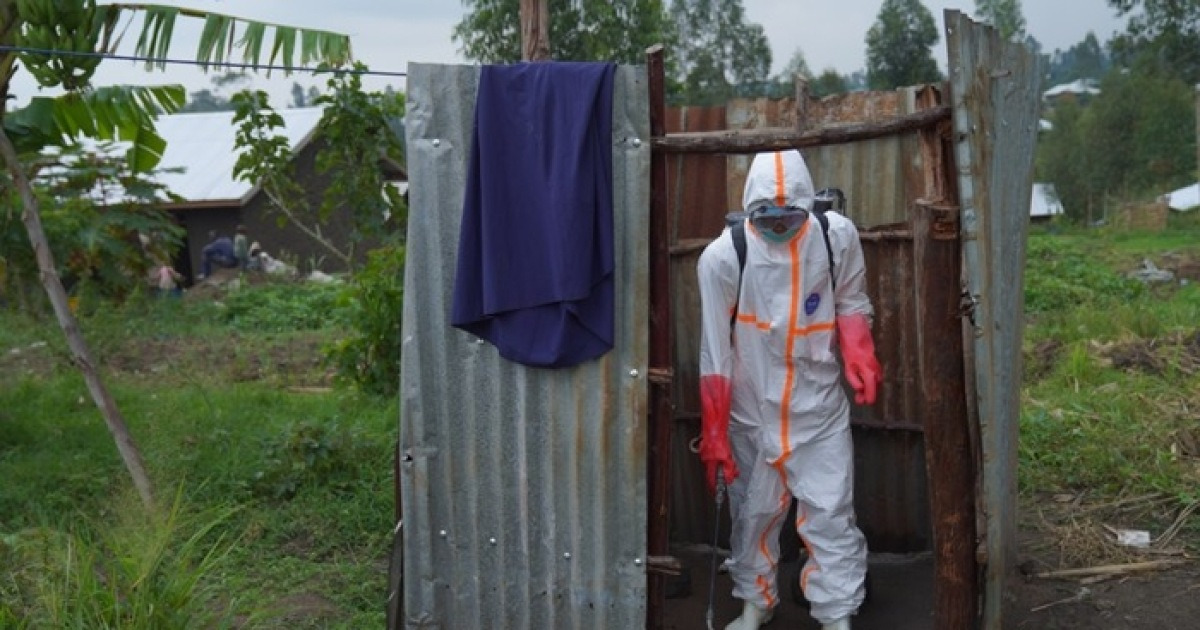
Public health authorities are tracking a severe disease outbreak in the Democratic Republic of Congo (DRC) that has driven fatalities past 2,100, according to data released by the Africa Centres for Disease Control and Prevention (Africa CDC). The crisis has intensified as health officials confirm deaths extending beyond traditionally monitored regions into previously unaffected provinces.
The escalation poses significant challenges for regional containment efforts. Medical teams are racing to deploy resources, monitor transmission chains, and support local healthcare infrastructure as case numbers rise across multiple affected territories.
Recent updates from the Africa CDC highlight a worrying epidemiological shift within the country. While prior outbreaks of hemorrhagic and infectious diseases in the DRC typically remained concentrated in specific endemic zones, current surveillance shows mortality figures appearing in new administrative areas.
Public health specialists note that geographic expansion complicates diagnostic and containment protocols. Local clinics in newly affected provinces often lack specialized isolation units and rapid diagnostic testing capacity, forcing health ministries to redirect personnel and supplies from major urban centers.
International health organizations are coordinating with national authorities to establish mobile testing laboratories and reinforce supply chains for personal protective equipment. These interventions aim to slow transmission rates and protect frontline medical staff working in high-risk environments.
Response and Regional Health Infrastructure
The rising death toll places immense pressure on an already strained healthcare system. Years of localized conflict, economic instability, and logistical hurdles have hampered routine vaccination campaigns and disease surveillance networks in remote parts of the country.
Epidemiologists emphasize that community engagement remains vital for halting transmission. Trusted local leaders and healthcare workers are conducting door-to-door education campaigns to encourage early reporting of symptoms and safe burial practices, which are essential steps in interrupting infection chains.
Financial and technical assistance from partner organizations continues to flow into the region, but logistical barriers frequently delay the arrival of essential therapeutics and cold-chain storage equipment necessary for vaccine distribution.
Next Steps and Official Monitoring
The Africa CDC plans to release updated epidemiological assessments as laboratory results are confirmed from regional testing hubs. Observers should monitor official releases from the Africa Centres for Disease Control and Prevention for verified data on case distributions and intervention outcomes.
We welcome your thoughts and analysis on this developing story. Please share your comments or questions below to join the discussion.
Keep reading