
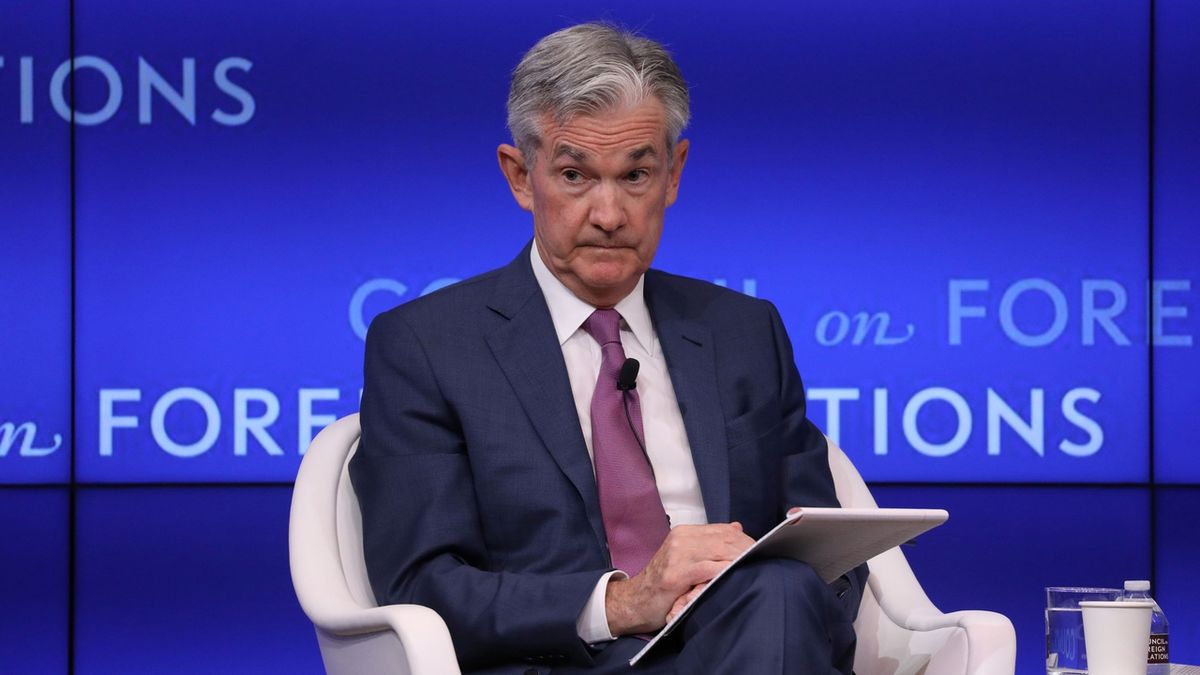
The leadership of the United States central bank is entering a transformative phase following the U.S. Senate’s confirmation of Kevin Warsh as the next chair of the Federal Reserve. The decision, finalized on Wednesday, May 13, 2026, marks the end of Jerome Powell’s tenure and signals a potential shift in how the world’s most powerful financial institution views the intersection of traditional monetary policy and digital assets.
Warsh’s ascent to the chair happens against a backdrop of significant political friction and economic volatility. For months, the confirmation process was shadowed by a pressure campaign from President Donald Trump directed at outgoing Chair Jerome Powell, as well as a Department of Justice investigation into Powell that was only recently closed. The resolution of these legal and political hurdles cleared the way for the Senate to move forward with the vote.
For global markets, the appointment of Warsh is particularly noteworthy due to his documented openness toward the cryptocurrency ecosystem. While many previous Fed leaders have viewed digital assets with skepticism or outright hostility, Warsh has positioned himself as a leader capable of integrating these technologies into the broader American financial framework. This transition comes at a time when the Federal Reserve continues to battle elevated inflation levels that have persisted for several years.
As the financial world digests this change, the focus now shifts to how Warsh will balance the mandate of price stability with his vision for a modernized, digitally integrated financial system. The confirmation is not merely a change in personnel but a potential pivot in the strategic direction of U.S. Monetary policy.
The Senate Confirmation and the Transition from Powell
The confirmation of Kevin Warsh was achieved through a 54-45 vote in the U.S. Senate. This tally reflects the polarized nature of the appointment, mirroring the broader political tensions surrounding the Federal Reserve’s independence and its relationship with the executive branch. Warsh takes over the reins following the expiration of Jerome Powell’s eight-year term, a period characterized by aggressive interest rate hikes to combat post-pandemic inflation and a cautious approach to digital currency.

The transition was not without its complications. The process was delayed by a Department of Justice investigation into Powell, which created a barrier for several officials who were hesitant to support Warsh’s nomination until the matter was resolved. With the investigation now closed, the pathway was cleared for Warsh to assume leadership of the central bank.
The Federal Reserve’s role as the primary architect of U.S. Monetary policy means that any change in leadership is scrutinized for potential shifts in interest rate trajectories. Warsh inherits a Fed that has spent years wrestling with inflation, a challenge that will likely remain his primary focus as he begins his term. The market’s reaction to the news was relatively muted in the short term, suggesting a level of anticipation or a “priced-in” expectation of Warsh’s appointment.
A “Crypto-Friendly” Mandate: Warsh’s View on Digital Assets
Perhaps the most discussed aspect of Kevin Warsh’s appointment is his stance on digital assets. In a departure from the more conservative postures of his predecessors, Warsh has explicitly stated that digital assets are “already part of the fabric of our financial services industry.” This perspective suggests a move toward legitimization and integration rather than regulation through restriction.

During a Senate hearing last month, Warsh affirmed to Senator Cynthia Lummis (R-WY) his belief that digital assets should be incorporated into the American finance industry. Senator Lummis, a prominent advocate for pro-crypto legislation, welcomed the confirmation, stating on X that American businesses and digital asset holders finally have a leader at the Fed who is ready to deliver.
Warsh’s convictions are not merely theoretical; they are backed by personal financial commitments. Earlier this year, he disclosed investments in crypto-native projects, specifically naming Polymarket and Solana. While he has not given a blanket endorsement to the entire sector—having previously described some crypto projects as fraudulent and worthless—his overall outlook is pragmatic. In an interview published earlier this year, Warsh noted that Bitcoin “does not make me nervous.”
The market’s immediate response to the confirmation was stable. According to CoinGecko, the price of Bitcoin remained little changed following the announcement, hovering around $79,500. This stability may indicate that investors view Warsh’s appointment as a stabilizing force rather than a catalyst for immediate, volatile swings.
Inter-Agency Collaboration and the Role of the CFTC
The confirmation of Kevin Warsh has also garnered support from other key financial regulators, signaling a potential era of greater harmony between the Federal Reserve and the Commodity Futures Trading Commission (CFTC). Mike Selig, the CFTC chair, expressed his support for Warsh on X, stating, “I look forward to working together.”
This collaboration is particularly significant given the CFTC’s recent defense of prediction markets, which have faced various state-level lawsuits. Since Warsh has personal investments in Polymarket—a prominent prediction market—the alignment between the Fed and the CFTC could lead to more cohesive federal guidelines on how these assets are treated, traded, and taxed within the U.S. Economy.
The relationship between the Fed and the CFTC is crucial for maintaining systemic stability. While the Fed focuses on monetary policy and banking supervision, the CFTC oversees derivatives and commodity markets. When these two bodies are aligned, it reduces regulatory arbitrage and provides clearer signals to institutional investors. Warsh’s ability to bridge the gap between traditional central banking and the evolving digital asset landscape could make this partnership more productive than in previous administrations.
What This Means for the Global Economy
The appointment of a “crypto-friendly” chair at the Federal Reserve has implications that extend far beyond the borders of the United States. As the U.S. Dollar remains the world’s primary reserve currency, the Fed’s approach to digital assets often sets the tone for central banks globally.

If Warsh moves to formally incorporate digital assets into the U.S. Financial fabric, it could accelerate the adoption of blockchain technology in cross-border settlements and institutional custody. Conversely, the primary challenge remains inflation. The global economy is sensitive to the Fed’s interest rate decisions; any perception that the Fed is becoming too influenced by political pressure or specific asset classes could lead to volatility in bond markets.
Stakeholders affected by this transition include:
- Institutional Investors: Who may now see a clearer path for the integration of digital assets into regulated portfolios.
- Commercial Banks: Who will be looking for guidance on how to handle crypto-custody and digital asset lending under a more open Fed chair.
- Global Central Banks: Who will monitor Warsh’s first few policy meetings to see if his “crypto-friendly” stance alters the Fed’s approach to the U.S. Dollar’s dominance.
- Retail Crypto Holders: Who may view the appointment as a sign of long-term legitimacy for the asset class.
Key Takeaways: The Warsh Era
- Confirmation: Kevin Warsh was confirmed as Fed Chair on May 13, 2026, with a 54-45 Senate vote.
- Digital Asset Stance: Warsh views digital assets as an integral part of the financial services industry and holds investments in Solana and Polymarket.
- Leadership Transition: He replaces Jerome Powell following the expiration of Powell’s eight-year term and the closure of a DOJ investigation.
- Economic Context: The new chair takes over while the Fed is still managing long-term elevated inflation.
- Regulatory Alignment: Strong initial support from CFTC Chair Mike Selig suggests a more collaborative approach to regulating new financial technologies.
As Kevin Warsh prepares to take the oath of office and assume his duties, the financial world will be watching his first official communications closely. The primary question remains whether his openness to digital innovation will coexist harmoniously with the rigorous demands of controlling inflation and maintaining the independence of the Federal Reserve.
The next critical milestone will be Warsh’s first official policy statement and his first appearance before the Senate Banking Committee, where he is expected to outline his immediate priorities for the central bank.
Do you think a crypto-friendly Federal Reserve will stabilize or disrupt the global economy? Share your thoughts in the comments below.