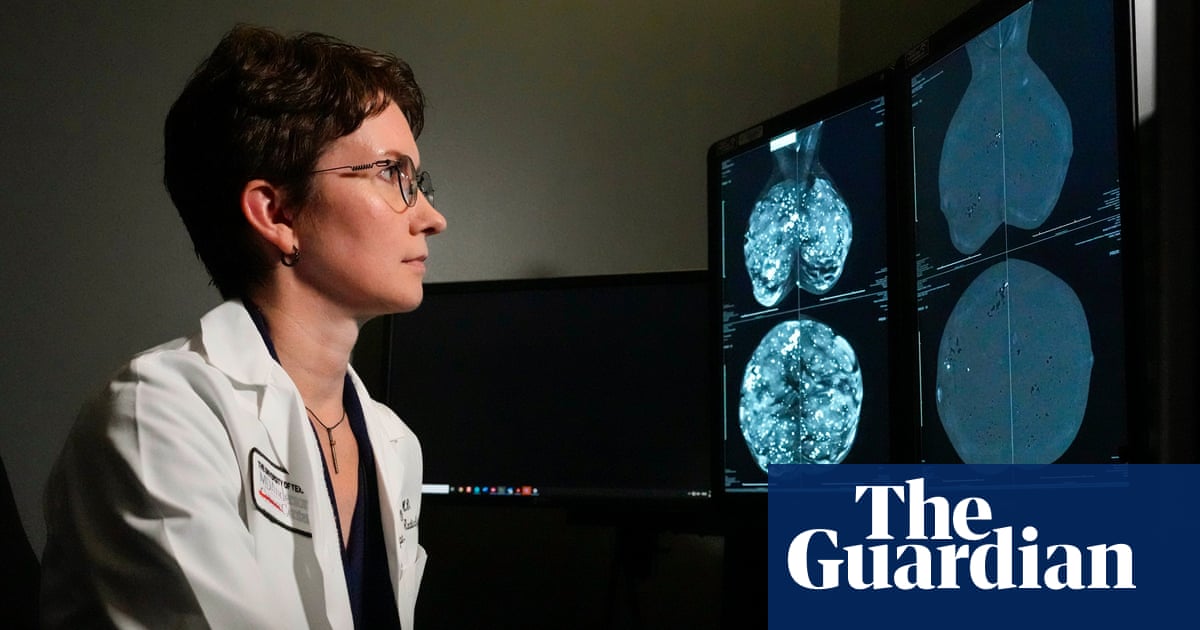
For millions of patients diagnosed with breast cancer, the prospect of chemotherapy has long been a daunting, albeit necessary, component of the standard care pathway. However, a transformative shift in clinical practice is currently underway, driven by the integration of advanced genomic testing. Emerging data suggests that for a significant subset of patients, targeted genomic analysis can reliably identify those who may safely forgo chemotherapy without compromising their long-term health outcomes.
As a physician, I have witnessed the immense psychological and physical burden that chemotherapy places on individuals. The ability to utilize a groundbreaking genomic test to personalize treatment plans is not just a technological milestone; it represents a fundamental change in how we balance efficacy with quality of life. By analyzing the specific molecular signature of a tumor, clinicians can now distinguish between patients who truly require systemic cytotoxic therapy and those for whom hormone therapy alone is equally effective.
The Role of Genomic Profiling in Oncology
Breast cancer remains the most frequently diagnosed cancer among women globally, according to data from the World Health Organization. Traditionally, treatment decisions were based largely on clinical and pathological features such as tumor size, grade, and lymph node involvement. While these metrics remain essential, they do not always capture the underlying biological behavior of the cancer.
Genomic assays, such as the Oncotype DX Breast Recurrence Score, provide a more granular view of the tumor’s genetic activity. These tests analyze a specific set of genes to determine the likelihood of cancer recurrence and the potential benefit of chemotherapy. For patients with early-stage, hormone receptor-positive, HER2-negative breast cancer, these tests have become instrumental in avoiding unnecessary toxic treatments. The TAILORx trial, a landmark study in this field, demonstrated that many women with intermediate recurrence scores could be spared chemotherapy without increasing the risk of the disease returning.
What So for Patient Care
The primary advantage of these genomic tools is the reduction of overtreatment. Chemotherapy is a systemic intervention that carries a significant risk of side effects, including fatigue, cognitive impairment, increased risk of infection, and long-term cardiovascular issues. For patients whose tumors are biologically driven primarily by hormones, endocrine therapy (such as tamoxifen or aromatase inhibitors) often provides the necessary protection against recurrence.

Clinical guidelines, including those issued by the American Society of Clinical Oncology (ASCO), have increasingly incorporated genomic testing into their recommendations. These guidelines underscore the importance of shared decision-making. When a patient receives a low recurrence score, the conversation between the oncologist and the patient shifts from “what therapy is needed” to “what is the optimal strategy to maintain health while preventing recurrence.”
Key Takeaways for Patients and Families
- Precision Medicine: Genomic testing moves us away from a “one-size-fits-all” approach to cancer care, allowing for highly individualized treatment plans.
- Reduced Toxicity: For many, avoiding chemotherapy means avoiding the systemic side effects that can impact daily functioning and long-term well-being.
- Evidence-Based Decisions: Decisions are supported by large-scale clinical trials that validate the safety of omitting chemotherapy in specific risk categories.
- Consult Your Oncologist: If you or a loved one are facing a breast cancer diagnosis, ask about the availability and appropriateness of genomic testing for your specific tumor profile.
The Path Forward
While the adoption of genomic testing is a major step forward, the field continues to evolve. Ongoing research is focused on expanding these tests to broader populations, including those with different subtypes of breast cancer or those who are at a higher risk of recurrence. There is a concerted effort to ensure that these tests are accessible and integrated into healthcare systems worldwide, ensuring that the benefits of precision oncology are not limited by geography or socioeconomic status.

As we look toward the future, the integration of liquid biopsies—which detect tumor DNA in the blood—may eventually complement tissue-based genomic testing, providing a less invasive way to monitor cancer and assess treatment response. For now, the current generation of genomic tests serves as a vital bridge between complex molecular science and compassionate, patient-centered clinical practice.
If you have questions about how these advancements might apply to a personal health situation, I encourage you to discuss them with your oncology team. For more information on navigating a cancer diagnosis, visit the National Cancer Institute for up-to-date resources and clinical trial information. Please feel free to share your thoughts or questions in the comments section below.
Worth a look