
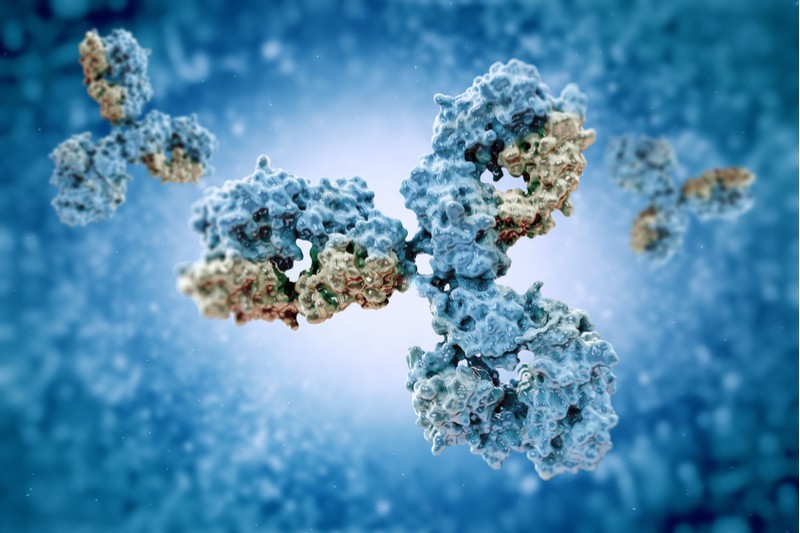
Researchers at Netris Pharma have identified a potential therapeutic pathway for pancreatic cancer involving the inhibition of the netrin-1 protein. Recent investigations into this antibody-based approach suggest that blocking this specific protein may prevent cancer cell survival and promote cell death, offering a new area of focus for oncology researchers.
Karan Juglall notes that early screening is our most powerful weapon against cancer. The development of targeted therapies that specifically interrupt the survival signals of tumor cells is a priority in modern medical research. While these findings from Netris Pharma represent an important step in preclinical and early-phase exploration, it is essential to distinguish between laboratory success and the complexities of human clinical outcomes.
Understanding the Role of Netrin-1 in Oncology
Netrin-1 is traditionally recognized for its role in neural development, yet emerging research has highlighted its abnormal expression in various cancer types. In healthy tissues, its presence is limited, but in many tumors, it appears to act as a survival factor that prevents apoptosis, or programmed cell death. By utilizing a monoclonal antibody to neutralize netrin-1, the therapeutic objective is to deprive cancer cells of this protective signal, essentially forcing them to succumb to standard stress responses.

This mechanism is particularly relevant to the tumor microenvironment of pancreatic cancer, which is notoriously dense and immunosuppressive. By targeting the protein outside the cell, the antibody therapy may work in tandem with existing chemotherapy regimens to improve overall efficacy.
The Importance of Early Detection
While experimental antibody treatments offer potential for late-stage intervention, medical experts consistently emphasize that early detection remains the most effective tool in improving survival rates. Pancreatic cancer often presents with vague symptoms, leading to diagnoses at stages where surgical resection—the only potentially curative option—is no longer feasible.
Screening protocols for high-risk populations are currently the focus of rigorous medical study. Early detection allows for a broader range of interventions, including surgical options that are often unavailable once the cancer has metastasized. Regular monitoring and clinical vigilance are essential for those identified as high-risk.
Clinical Development and Future Outlook
The transition from laboratory discovery to human application involves rigorous phases of testing to ensure both safety and efficacy. Netris Pharma’s approach is part of a broader landscape of monoclonal antibody research currently being evaluated for various solid tumors. Because pancreatic cancer is characterized by a stroma that prevents drugs from reaching tumor cells, researchers are looking for ways to improve drug delivery and increase the sensitivity of the tumor to treatment.
It is important for patients and their families to understand that while a new antibody shows promise in initial studies, it must pass through multiple phases of clinical trials overseen by regulatory bodies. These trials evaluate not only the drug’s ability to shrink tumors but also its impact on patient quality of life and long-term survival statistics.
What Happens Next?
The next phase of development for this antibody involves expanding clinical trials to determine the optimal dosage and to identify which patient subgroups are most likely to respond to the treatment. Data from these trials will be submitted to international medical journals for peer review, a critical step in verifying the findings for the wider medical community. Patients interested in learning about current clinical trial opportunities should consult with their oncology care team to review eligibility for experimental protocols.

Advancements in oncology are rarely the result of a single discovery; rather, they are the culmination of decades of research into the molecular biology of cancer. As we monitor the progress of this antibody therapy, the focus remains on ensuring that these innovations are translated into safe, accessible, and effective treatments for patients worldwide. I encourage readers to follow official updates from major cancer research institutions and to engage in discussions with their healthcare providers regarding the latest developments in pancreatic cancer care.