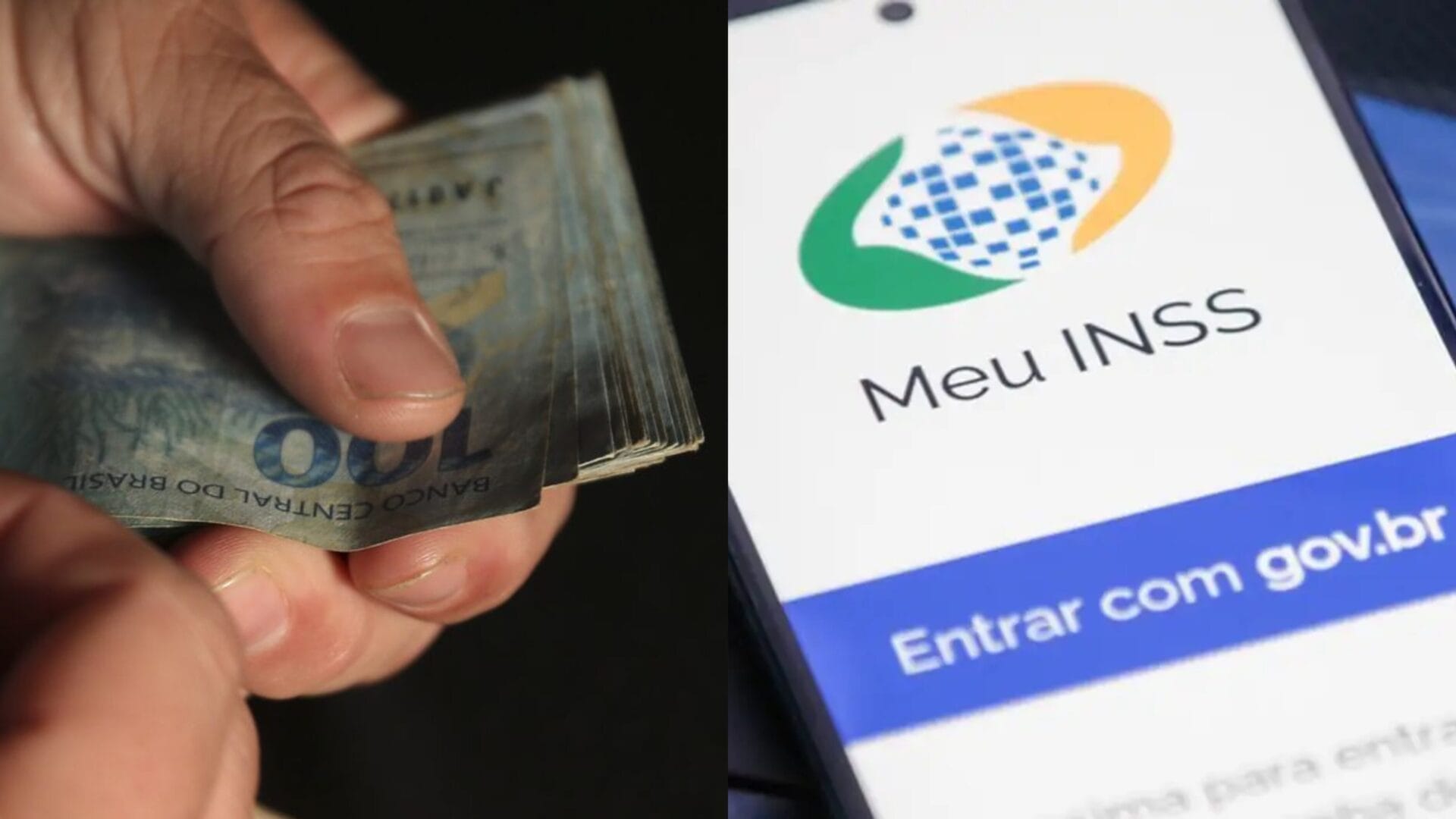
The Brazilian National Social Security Institute (INSS) has been actively modernizing its service delivery, shifting toward digital-first protocols to streamline benefit management and enhance security for millions of citizens. A central component of this transition involves the integration of biometric validation, a measure designed to confirm the identity of beneficiaries and prevent administrative fraud. As the agency continues to implement these technological upgrades, understanding the requirements for facial validation and the broader digital infrastructure of the INSS is essential for retirees, pensioners, and other benefit recipients.
The agency’s digital portal, accessible via the official Meu INSS platform, serves as the primary hub for managing benefits, checking contribution histories, and accessing services. While the adoption of biometric technology is a significant step forward, it is critical for users to remain vigilant. The INSS has issued repeated warnings regarding potential scams, noting that unauthorized individuals may attempt to contact beneficiaries—either by phone or in person—under the guise of performing a mandatory “proof of life” (prova de vida) procedure to solicit personal data. Official communications emphasize that beneficiaries should only use verified government channels to interact with the institution.
Understanding Digital Security and Identity Verification
The move toward facial recognition and digital identity verification is part of a national effort to secure social security payments against unauthorized access. For beneficiaries, the primary gateway for these services is the official INSS government portal. The agency advises that all interactions involving personal data or benefit status should be conducted through the secure Meu INSS website or the central 135 telephone line.
In addition to security measures, the INSS has been proactive in reaching out to the population through initiatives such as the “Governo do Brasil na Rua” program. These events provide in-person assistance, including medical assessments and administrative support, in various locations across the country, such as recent actions in Boa Vista (RR) and Salvador (BA). Such outreach efforts are designed to ensure that those who may have difficulty accessing digital tools can still receive the necessary support to maintain their benefits.
Key Takeaways for INSS Beneficiaries
- Verify Before Responding: The INSS does not send agents to homes to collect personal data for “proof of life” checks. Any request for such information is a significant red flag for fraud.
- Use Official Channels: Always access services through the official Meu INSS portal or the Central 135 telephone line.
- Monitor Your Benefits: Regularly check your benefit status for any irregularities or unauthorized deductions. The agency has established protocols for contesting associative discounts through the Meu INSS portal, Central 135, or via the postal service (Correios).
- Stay Informed: The INSS regularly publishes updates regarding new rules for benefit concessions, such as recent regulations concerning pensions for dependents of feminicide victims.
Service Availability and Future Updates
As of June 2026, the INSS continues to manage a high volume of requests, with recent efforts including large-scale “mutirões” (task forces) to clear backlogs for medical and social evaluations. Beneficiaries are encouraged to keep their contact information and registration details up to date within the government system to ensure they receive timely notifications regarding any changes to verification requirements or service availability.
For those navigating the system, physical agency offices may occasionally close for holidays or specific administrative maintenance, as seen in recent scheduling adjustments in early June 2026. Prioritizing the use of the Meu INSS portal allows for 24/7 access to information, provided the user has a registered gov.br account. As the agency continues to refine its digital verification protocols, beneficiaries should look to official government bulletins for any changes to requirements for biometric or facial validation.
The INSS remains committed to providing accessible services while tightening security protocols to protect the integrity of the social security system. For further information or to report suspicious activity, please visit the official INSS website. We will continue to monitor updates regarding digital identity requirements and provide further analysis as new policies are officially implemented.
Have you encountered issues with your INSS digital registration? Share your experiences in the comments below or join the conversation on our social media channels.