
Concerns over conditions at New Jersey detention facilities have intensified as detainees at the Delaney Hall facility in Newark continue a hunger strike. The ongoing protest, which has drawn the attention of federal lawmakers, highlights broader debates regarding the treatment of individuals held under civil immigration detention by U.S. Immigration and Customs Enforcement (ICE).
The situation at the facility, which serves as a contractor-run site for ICE, has prompted visits from members of Congress who are seeking to assess the claims made by those participating in the strike. Detainees report that the action is a response to grievances concerning living conditions, access to legal resources, and internal facility policies. The protest has seen participants refuse meals and, in some instances, decline to perform work duties assigned within the facility.
The hunger strike reflects a recurring point of friction in the U.S. Immigration system, where the use of private or county-contracted facilities for long-term detention remains a significant subject of public and political scrutiny. For families and advocates, the standoff at Delaney Hall represents an urgent call for transparency and reform in how the federal government manages the detention of non-citizens awaiting immigration proceedings.
Congressional Oversight and Legislative Scrutiny
The involvement of federal representatives underscores the gravity of the situation. Congressional visits to detention centers are typically part of a broader effort to conduct oversight of ICE’s compliance with federal detention standards. These standards, which govern everything from medical care to environmental safety and access to counsel, are mandated for all facilities housing ICE detainees, as outlined in the ICE National Detention Standards.
During such visits, lawmakers often meet with facility administrators and speak directly with detainees to document complaints. In the context of the Newark protests, the presence of legislators serves to elevate the visibility of the detainees’ grievances. However, the operational reality of these facilities—often managed by private entities or local governments through Intergovernmental Service Agreements—frequently complicates the ability of federal officials to implement immediate changes.
The legal framework surrounding immigration detention is complex. While individuals held by ICE are in civil, not criminal, custody, they are subject to the rules and security protocols of the facilities where they are housed. This distinction between civil and criminal incarceration often leads to tensions, particularly when detainees feel that the administrative nature of their detention is not reflected in their daily treatment behind bars.
The Impact of Detention on Families and Communities
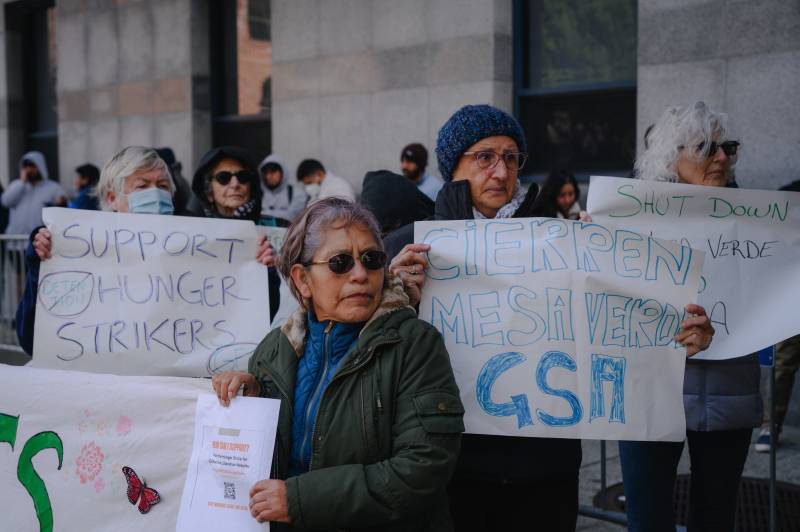
The hunger strike has also mobilized community advocates and the families of those detained. The emotional and logistical strain on families is a central element of the current standoff. When communication between detainees and their families is disrupted or when detainees are moved within the system, it often triggers public demonstrations and increased demands for accountability from local authorities.
Advocacy groups in New Jersey have long campaigned against the use of local jails and private centers for federal immigration enforcement. They argue that the practice of detention, especially for extended periods, inflicts profound psychological harm on individuals who are otherwise navigating the complexities of the immigration court system. The Executive Office for Immigration Review (EOIR), which manages the immigration courts, remains the primary venue where detainees seek relief or status adjustments, but that process is frequently delayed by the logistical hurdles of being held in a remote or restrictive detention environment.
the physical toll of a hunger strike presents immediate health risks. Medical professionals and human rights observers typically monitor such situations with concern, emphasizing that facilities are obligated to provide adequate care regardless of a detainee’s protest status. Under the ICE Detention Management guidelines, facilities must follow specific protocols for managing hunger strikes, which include medical assessment and the monitoring of health indicators to prevent life-threatening complications.
What Happens Next: Monitoring the Situation
As the situation at Delaney Hall unfolds, the focus remains on whether the administration will address the specific demands of the strikers. In similar cases, resolutions have involved formal mediation or adjustments to facility policies, though such outcomes are rarely guaranteed or immediate.
The next critical checkpoint involves the ongoing assessment by the Congressional offices involved, who may issue follow-up inquiries or reports regarding their findings at the facility. For stakeholders and the public, monitoring updates from official government channels and legal aid organizations is the most reliable way to track the status of the detainees and any potential policy shifts.
We encourage our readers to stay informed by following official statements from the U.S. Immigration and Customs Enforcement and monitoring records from the local federal district courts where habeas corpus petitions or other legal challenges regarding detention conditions are typically filed. We will continue to follow this story as new, verified information becomes available.
Have you been following the developments at the Delaney Hall facility? Share your thoughts or insights in the comments section below.