New Jersey Governor Demands Access to ICE Facility Amid Escalating Detainee Hunger Strike
A high-stakes standoff is unfolding in New Jersey as Governor Mikie Sherrill intensifies her demands for access to the Delaney Hall detention center, following a massive hunger strike by detainees held by U.S. Immigration and Customs Enforcement (ICE). The confrontation between state leadership and federal authorities has reached a critical juncture, raising urgent questions regarding humanitarian oversight and the limits of state jurisdiction over federal immigration facilities.
The crisis at Delaney Hall began on Friday, May 22, when a significant number of detainees—estimated at approximately 300 individuals—initiated a hunger strike. The protest, which has now entered its fourth day, has sent shockwaves through the state’s political landscape and drawn widespread attention to the conditions within the federal detention system. As the health of the participants becomes a growing concern, the refusal of federal officials to grant the Governor direct access to the facility has exacerbated tensions between New Jersey and Washington.
Governor Sherrill has formally contacted ICE to request immediate entry to the facility, seeking to assess the well-being of the detainees and the circumstances surrounding the protest. However, reports indicate that these requests for access have been met with resistance from federal authorities, leaving state officials in a precarious position as they attempt to fulfill their duty to monitor public safety and humanitarian standards within their borders.
The Hunger Strike at Delaney Hall: A Developing Crisis
The scale of the protest at Delaney Hall is substantial. According to recent reports, the hunger strike involves roughly 300 detainees, a number that underscores the widespread nature of the dissatisfaction within the facility. While the specific grievances of the detainees have not been fully detailed in official statements, the strike is being framed by advocates as a desperate measure to highlight systemic issues within the detention center.
Since the strike commenced on May 22, the situation has transitioned from a localized protest to a broader humanitarian concern. The duration of the strike has raised medical alarms, as the physical toll on detainees increases with every passing day. The lack of transparency regarding the health status of those participating in the strike has only fueled calls for immediate intervention by both state and independent observers.
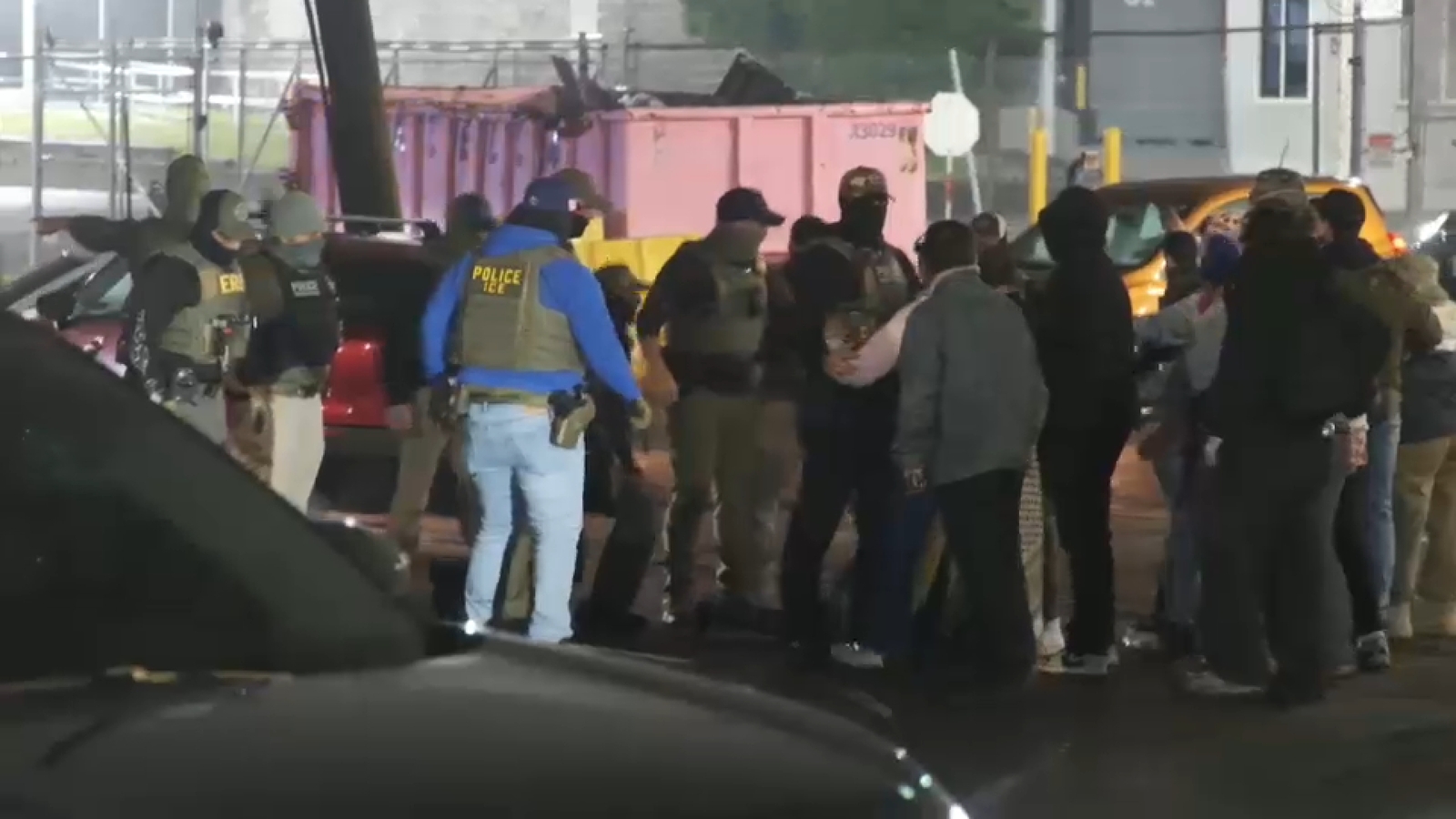
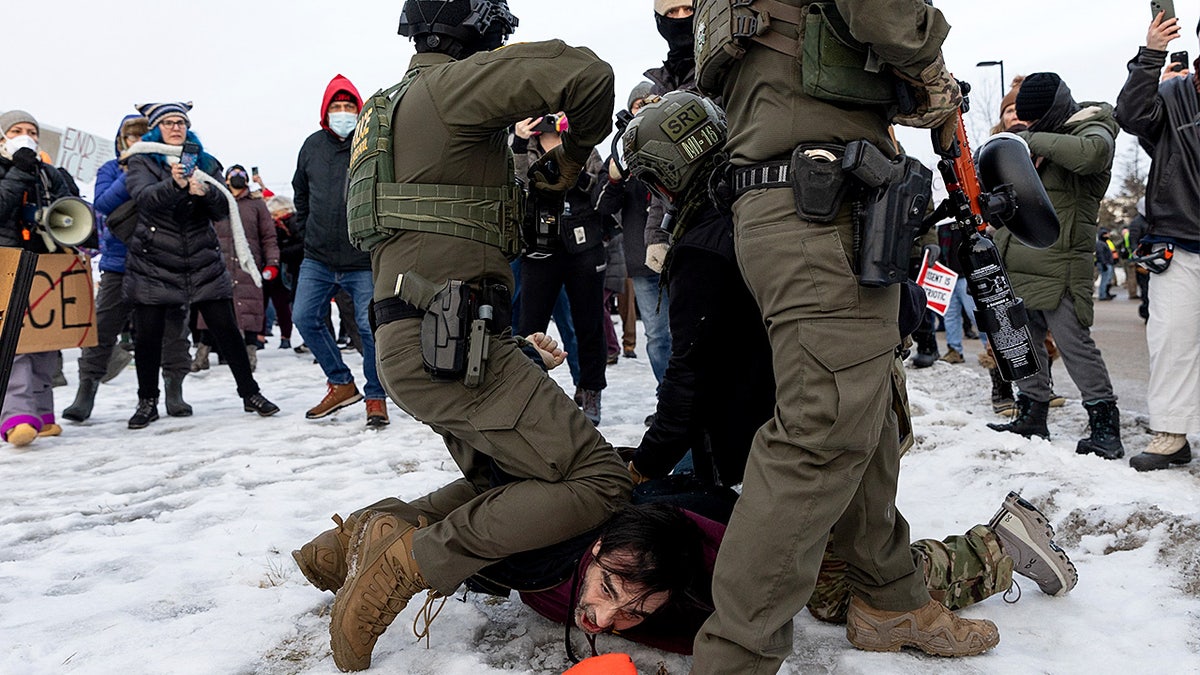
The atmosphere surrounding the facility has become increasingly volatile. Outside the gates of Delaney Hall, the situation has been marked by civil unrest, with protesters clashing with ICE agents. These confrontations have highlighted the intense public scrutiny facing the detention center and the growing movement to demand greater accountability for the treatment of individuals in federal custody.
State vs. Federal: The Legal and Political Standoff
The refusal of ICE to grant Governor Sherrill access to Delaney Hall has triggered a complex legal and political debate. At the heart of the issue is the tension between state sovereignty and federal authority. Under the U.S. System of federalism, immigration enforcement and the management of detention facilities fall squarely under the jurisdiction of the federal government. However, state governors often assert a mandate to oversee matters of public health, safety, and human rights that may impact their constituents or occur within their geographic boundaries.

Governor Sherrill’s demand for access represents a significant challenge to the traditional boundaries of federal autonomy. By seeking to enter the facility, the Governor is attempting to exercise a level of oversight that federal agencies have historically resisted. This move has positioned the New Jersey state government in direct opposition to ICE, setting the stage for a potential legal battle over the extent to which a state can monitor federal operations during a humanitarian crisis.
Political analysts suggest that this standoff is not merely a local dispute but a symptom of a larger, ongoing friction between state leaders and federal immigration agencies. As the hunger strike continues, the pressure on both parties to reach a resolution is mounting, with the potential for this incident to set a precedent for how state-federal relations are handled in the context of immigration detention.
Humanitarian Implications and Public Accountability
Beyond the legalities of jurisdiction, the situation at Delaney Hall is a matter of urgent humanitarian concern. Hunger strikes in detention settings are historically fraught with risk, often leading to severe medical complications or death if not addressed through dialogue and improved conditions. The fact that 300 individuals are participating in such an action suggests a profound breakdown in the communication between the administration of the facility and those being held within it.
The lack of access for state officials complicates the ability to provide independent verification of the conditions inside. Without direct observation, the public is left to rely on fragmented reports, which can fuel misinformation and heighten social tensions. For advocates and human rights organizations, the primary goal is to ensure that the basic rights and medical needs of the detainees are being met, regardless of their legal status.
As the standoff persists, the call for transparency has become a central theme of the protests. The public demand for accountability is not only directed at the facility’s management but also at the federal government’s response to the escalating crisis. The ability of the federal government to manage the hunger strike while respecting the concerns of state leadership will be a critical test of its crisis management capabilities.
Key Takeaways of the Delaney Hall Crisis
- Hunger Strike Scale: Approximately 300 detainees began a hunger strike on Friday, May 22, 2026.
- Governor’s Demand: Governor Mikie Sherrill has requested access to the Delaney Hall facility to monitor the situation, but has been denied by ICE.
- Civil Unrest: Protests outside the facility have led to clashes between demonstrators and ICE agents.
- Jurisdictional Conflict: The standoff highlights a deepening rift between New Jersey state authorities and federal immigration enforcement.
- Humanitarian Risk: The prolonged hunger strike poses significant medical risks to the participants, increasing the urgency for transparency.
What Happens Next?
The immediate future of the Delaney Hall situation remains uncertain. All eyes are now on the next official communication from either the Office of the Governor or U.S. Immigration and Customs Enforcement. A critical checkpoint will be whether federal authorities grant any level of supervised access to state officials or independent medical observers in the coming days.
As the hunger strike enters its next phase, the pressure for a negotiated resolution continues to grow. Whether the standoff is resolved through legal challenges, high-level political negotiations, or a change in facility policy, the outcome will have lasting implications for the management of immigration detention and the relationship between state and federal powers in the United States.
For ongoing updates on this developing story, please monitor our newsroom. We encourage you to share this report and join the conversation in the comments below.
Keep reading