
Toyota’s latest strategic pivot in the U.S. Automotive market is reshaping its production landscape, with the Japanese automaker accelerating investments in Texas and reconsidering its supply chain—moves that could redefine its approach to manufacturing and tariff-sensitive operations ahead of critical policy shifts. As the company prepares to unveil its 2026 model lineup, including electric and hybrid vehicles, industry analysts and labor groups are closely watching how these decisions may impact thousands of jobs and the broader North American auto industry.
At the heart of Toyota’s strategy is a bold expansion in Texas, where the automaker is ramping up hiring and production capacity. While the company has not yet disclosed exact figures for new job postings, reports suggest a significant uptick in hiring across its Texas facilities, including plants in San Antonio and Plano. This comes as Toyota faces mounting pressure to localize production amid evolving trade policies and geopolitical tensions. The move also signals a potential shift away from its reliance on Mexican manufacturing plants, where some models have been produced for export to the U.S. Under tariff-sensitive agreements.
Toyota’s decision to accelerate its Texas operations is not without context. The state has long been a hub for automotive manufacturing, offering incentives, a skilled workforce, and proximity to key markets. However, the company’s recent actions appear to be a direct response to broader industry trends, including the Inflation Reduction Act’s incentives for electric vehicle production in the U.S. And the ongoing renegotiation of trade relationships with Mexico. For Toyota, which has historically balanced production between North American and Asian plants, this shift could mark a turning point in its global supply chain strategy.
Why Texas? Toyota’s Gamble on U.S. Localization
Toyota’s focus on Texas aligns with a broader trend among automakers to prioritize domestic production, particularly for electric and hybrid vehicles. The state’s business-friendly environment, coupled with its central location within the U.S., makes it an attractive destination for manufacturers looking to capitalize on federal subsidies and reduce reliance on foreign supply chains. For Toyota, which has invested heavily in hybrid technology—including its upcoming 2026 Prius and Corolla Hybrid models—this localization effort could also mitigate risks associated with tariffs and supply chain disruptions.
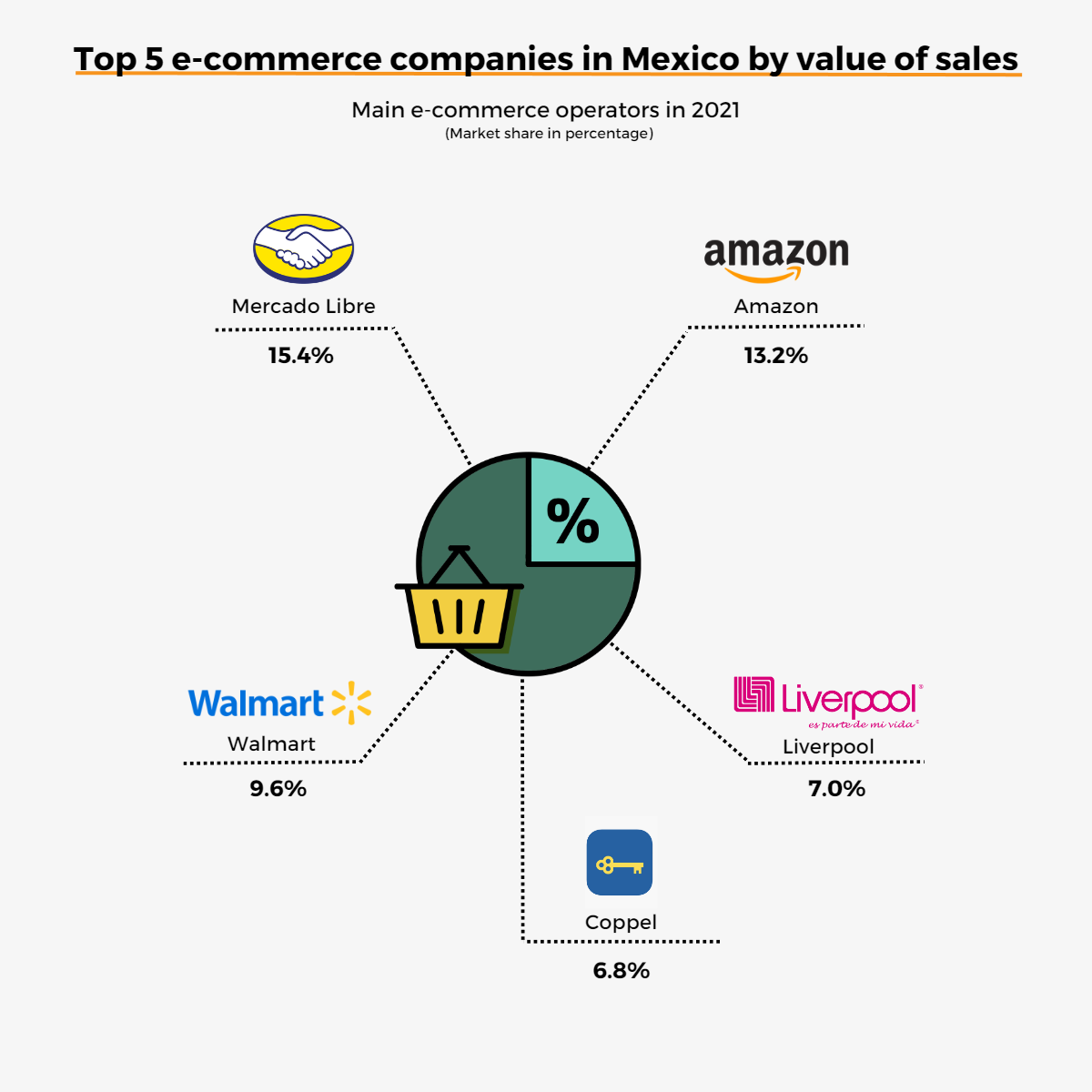
Yet the company’s potential reduction in Mexican production raises questions about the impact on its neighboring factories. Mexico has been a critical manufacturing hub for Toyota, with plants in Guanajuato and other regions producing vehicles for both the Mexican and U.S. Markets. While Toyota has not confirmed any immediate closures or layoffs, industry observers note that the automaker’s decision to “re-shore” some production could lead to adjustments in its Mexican operations. The company’s official stance remains cautious, with spokespeople emphasizing its commitment to both North American regions.
Key Takeaways:
- Toyota is expanding hiring and production in Texas, signaling a shift away from Mexican manufacturing for certain models.
- The move aligns with U.S. Incentives for electric and hybrid vehicle production under the Inflation Reduction Act.
- While no exact job figures have been released, reports indicate a notable increase in Texas-based operations.
- The decision could impact Toyota’s supply chain strategy and its relationships with Mexican production partners.
What This Means for Consumers and the Industry
For consumers, Toyota’s strategic shift could translate into several outcomes. First, the localization of production may lead to shorter supply chains and potentially lower costs for certain models, particularly hybrids and electric vehicles. The company’s 2026 lineup, which includes the all-new Sienna hybrid and updated Corolla and Prius models, is poised to benefit from this restructuring. Increased Texas production could mean faster delivery times for buyers in the southern and central U.S., reducing reliance on cross-border shipments.
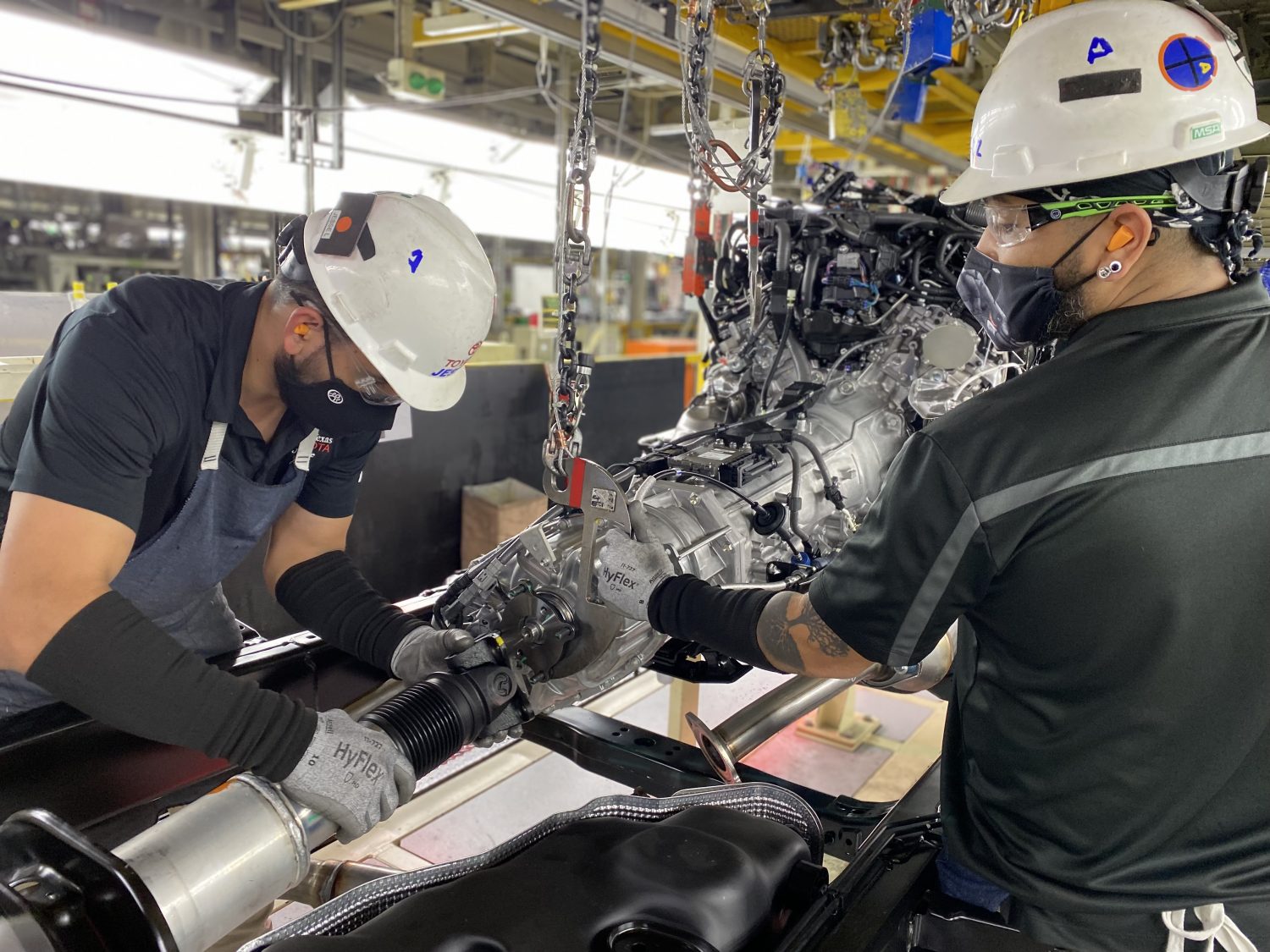
However, the impact on Mexican workers and local economies remains a critical concern. While Toyota has not announced any immediate changes to its Mexican operations, the company’s long-term strategy could lead to a reallocation of resources. Labor unions and industry groups in Mexico are closely monitoring the situation, with some expressing concerns about job security and the potential for reduced investment in the region.
Industry analysts suggest that Toyota’s move is part of a broader trend among automakers to diversify their production bases. With geopolitical tensions and trade policies continuing to evolve, companies are seeking to balance cost efficiency with resilience. For Toyota, which has historically maintained a delicate equilibrium between its North American and Asian operations, this pivot could set a new precedent for how it manages its global supply chain.
The Road Ahead: What’s Next for Toyota?
Toyota’s next major milestone is the official launch of its 2026 model lineup, with the all-electric Sienna hybrid debuting on May 29. The company’s decision to premiere this model in theaters—an unconventional move for an automaker—highlights its ambition to make a splash in the growing electric vehicle market. While details on production volumes and exact hiring numbers remain scarce, industry insiders expect further announcements in the coming months as Toyota solidifies its Texas expansion.

The company’s next official update is anticipated in early June, coinciding with the end of its “Summer Starts Here” promotional campaign. During this period, Toyota is expected to provide clearer insights into its hiring plans, production timelines, and any adjustments to its Mexican operations. For now, the automaker’s strategy appears to be one of cautious optimism, balancing growth in the U.S. With its long-standing commitments to Mexico and other global markets.
As Toyota accelerates its U.S. Operations, the broader implications for the automotive industry—and the communities it serves—will become clearer. For now, one thing is certain: the company’s moves are a reflection of a rapidly changing landscape, where localization, tariffs, and technological innovation are reshaping the future of manufacturing.
What are your thoughts on Toyota’s strategy? Will this shift benefit consumers, or could it create challenges for workers in Mexico? Share your perspective in the comments below, and don’t forget to follow World Today Journal for the latest updates on this developing story.
Related reading