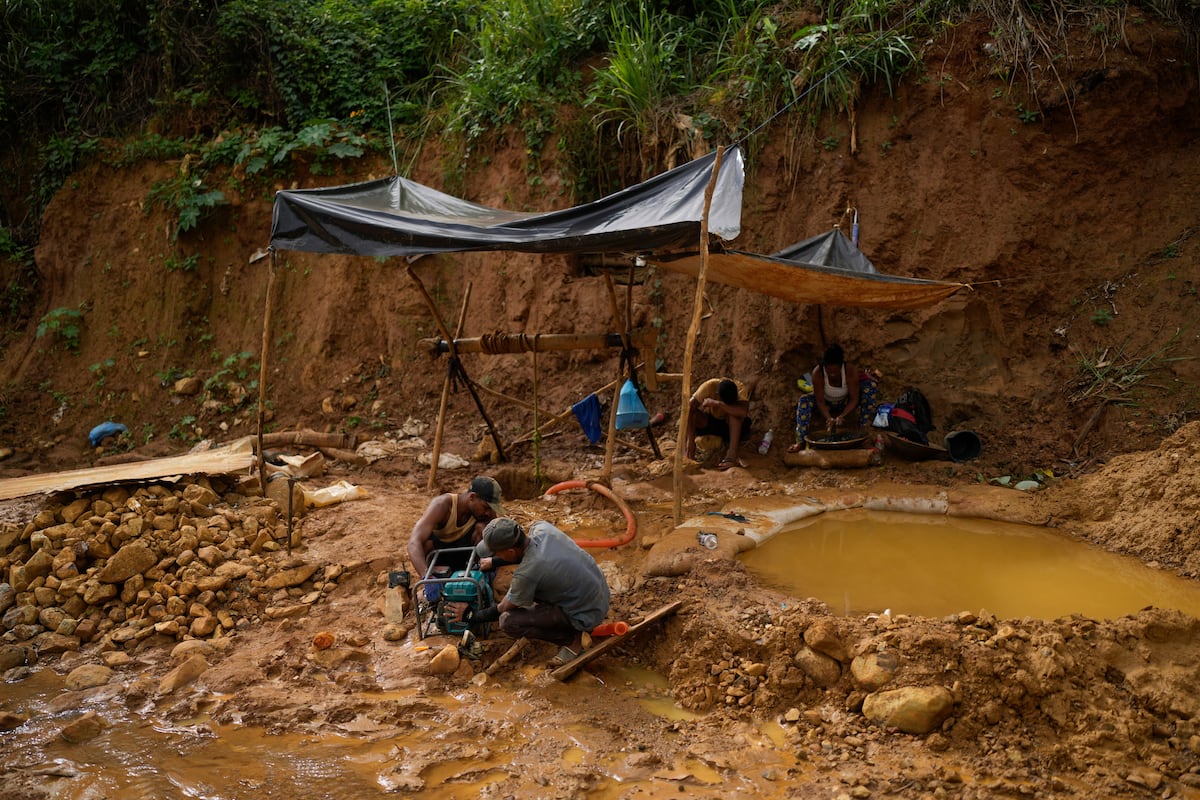
Public health officials and researchers are closely monitoring emerging data regarding the transmission dynamics of malaria in South America. The identification of specific mosquito species capable of carrying the disease in unconventional habitats—such as mining areas—remains a critical focus for epidemiologists working to curb the spread of vector-borne illnesses. As we continue to track these developments, it is essential to understand the complex interplay between environmental changes, human migration, and the evolution of disease vectors.
For those living or working in endemic regions, the primary concern is the potential for increased exposure to Anopheles mosquitoes. Understanding the behavior of these vectors is not merely an academic exercise; it is a fundamental pillar of public health strategy. As a physician, I have long advocated for the necessity of robust surveillance systems that can adapt to the shifting landscape of infectious diseases, particularly in regions where environmental disruption is high.
Understanding the Role of Anopheles Mosquitoes
Malaria remains one of the most significant global health challenges, transmitted primarily through the bite of infected female Anopheles mosquitoes. The genus Anopheles is comprised of numerous species, each with distinct preferences for breeding grounds, feeding times, and host selection. In the tropical regions of the Americas, species such as Anopheles darlingi have historically been identified as the most efficient vectors for Plasmodium parasites, which cause malaria in humans. According to the World Health Organization (WHO), malaria control relies heavily on vector control interventions, including the use of insecticide-treated mosquito nets and indoor residual spraying, which are designed to disrupt the life cycle of these mosquitoes.
The discovery of new or previously under-recognized mosquito populations in mining areas presents a unique challenge for public health authorities. Mining activities often lead to deforestation and the creation of stagnant water bodies, which are ideal breeding sites for various Anopheles species. When human populations move into these areas for labor, the risk of transmission increases as humans and mosquitoes are brought into closer proximity. This phenomenon, often termed “frontier malaria,” highlights the importance of integrating environmental health policy with clinical disease management.
Environmental Factors and Public Health Implications
The intersection of ecological modification and public health is a growing area of study. In many parts of the Amazon basin and surrounding regions, human activities have significantly altered the landscape. Research published by the Pan American Health Organization (PAHO) underscores the necessity of intersectoral collaboration to address malaria, as the disease is not only a medical issue but also a social and economic one. The movement of workers into remote, forested, or mining regions often bypasses standard healthcare infrastructure, making early diagnosis and treatment more difficult to implement.
Monitoring these trends requires a combination of entomological surveillance—the study of insect populations—and clinical surveillance of human cases. When scientists identify a new mosquito population in a specific area, it triggers a series of responses, including mapping the distribution of the vector and assessing its capacity to transmit the parasite. This process is vital for tailoring local prevention strategies, such as the distribution of protective equipment and the implementation of targeted mosquito control measures.
Navigating Future Challenges
As we look toward the future, the integration of genomic technology in entomology is set to revolutionize how we identify and combat malaria vectors. The ability to read the full genome of mosquito species allows scientists to better understand their resistance to insecticides and their susceptibility to different strains of the malaria parasite. By leveraging these advancements, public health programs can develop more effective, science-based interventions that are specifically tailored to the local ecology.
For the general public, it is important to stay informed through official channels. Local health ministries and international bodies such as the WHO provide the most reliable updates regarding malaria risk zones and recommended preventative actions. If you are planning travel or work in areas known for malaria transmission, consult with a healthcare professional to discuss appropriate prophylaxis and protective measures. Public health is a collective responsibility, and staying updated is the first step in protecting yourself and your community.
Key Takeaways
- Vector Surveillance: Continuous monitoring of mosquito populations is essential for managing malaria in high-risk zones.
- Environmental Impact: Human activities like mining can create new habitats for malaria-carrying mosquitoes, necessitating stronger environmental management.
- Prevention: Standard measures, including bed nets and early medical intervention, remain the most effective tools for individuals.
- Scientific Innovation: Genomic research is providing new insights into the biology of mosquito vectors, aiding in the development of more targeted control strategies.
The next scheduled review of regional malaria control strategies by major health organizations will continue to integrate findings from entomological surveys to refine public health guidance. I encourage our readers to share their thoughts and experiences regarding public health surveillance in the comments section below. Your engagement helps foster a more informed and proactive community.
