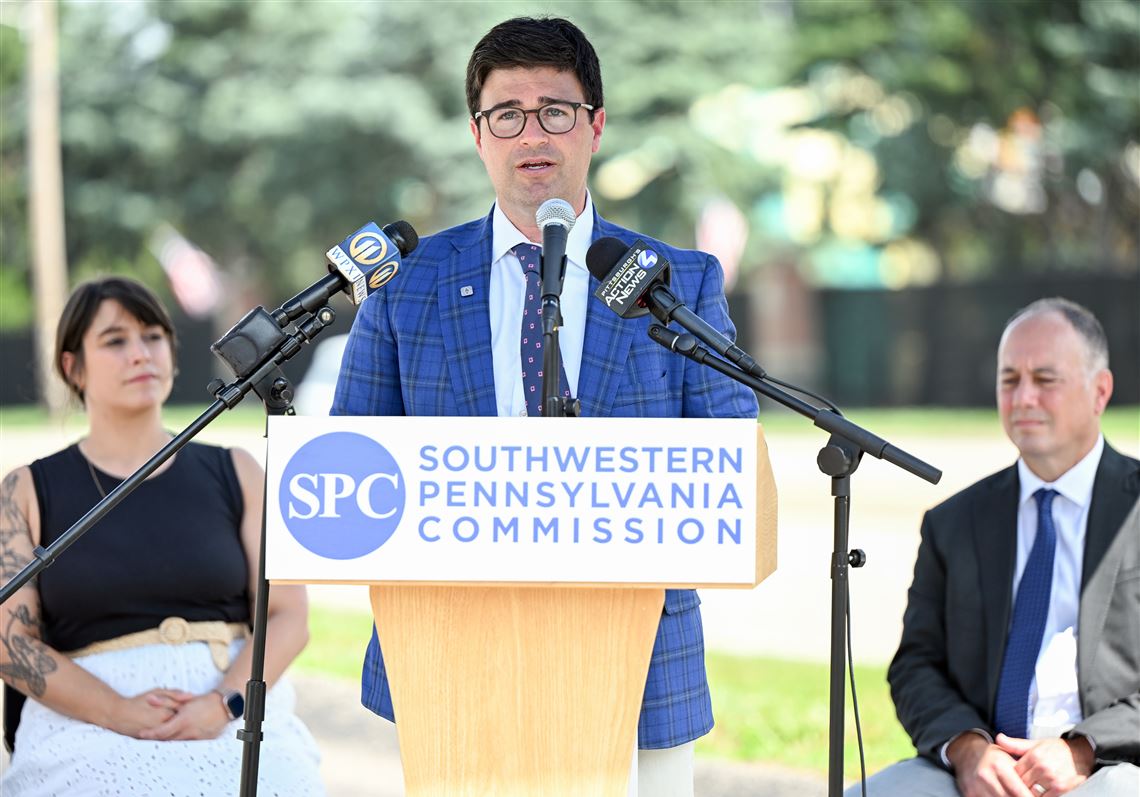
Pittsburgh is entering a new administrative era under Mayor Ed Gainey, who is prioritizing economic equity and the revitalization of the city’s diverse neighborhoods to move beyond its industrial legacy. According to official city records and the Mayor’s policy platform, the administration is focusing on “inclusive growth” to ensure that the city’s tech-driven expansion benefits long-term residents in underserved areas, not just the downtown core.
The transition represents a shift in governance for the Pennsylvania city, which has spent the last decade pivoting from a steel-centric economy to a hub for healthcare, education, and robotics. While the “Eds and Meds” sector has driven significant GDP growth, city data and community reports indicate a persistent gap in wealth and infrastructure quality between the affluent districts and historically marginalized neighborhoods.
Mayor Gainey, the first Black mayor in Pittsburgh’s history, has centered his agenda on the “Pittsburgh Promise” and similar equity-based initiatives. His approach emphasizes the intersection of municipal government and community-led development, aiming to dismantle systemic barriers to homeownership and business capital for minority entrepreneurs.
Economic Equity and the Neighborhood Revitalization Strategy
The current administration is implementing a strategy to decentralize economic investment. Rather than focusing solely on the Golden Triangle—Pittsburgh’s central business district—the city is directing resources toward neighborhood-level grants and zoning reforms. According to the City of Pittsburgh official portal, the goal is to foster “hyper-local” economic hubs that support small businesses and reduce the reliance on commuting to the city center.

A primary pillar of this strategy is the focus on workforce development. The administration is partnering with local community colleges and trade schools to align training programs with the needs of the emerging green economy and tech sectors. This is intended to prevent the “displacement” of current residents as high-paying tech jobs flood the region, a phenomenon often cited by urban planners as a risk in rapidly gentrifying cities.
To support this, the city has emphasized the importance of affordable housing mandates. By integrating affordable housing requirements into new development projects, the administration aims to stabilize rents and prevent the pricing-out of legacy residents in neighborhoods like East Liberty and Homewood.
Addressing Infrastructure and Public Safety Challenges
Pittsburgh’s aging infrastructure remains a critical hurdle for the new administration. The city continues to grapple with a massive backlog of road repairs and bridge maintenance, exacerbated by the region’s unique topography and historical industrial wear. The Mayor’s office has sought increased federal funding through the Bipartisan Infrastructure Law to modernize transit and improve road safety.

Public safety is another area of transition. The administration is exploring “community-based” policing models and increasing the role of mental health professionals in emergency responses. This shift is designed to reduce the reliance on law enforcement for non-violent crises, a move supported by various civil rights organizations within the city.
The administration is also focusing on “environmental justice,” specifically targeting the cleanup of brownfields—former industrial sites that remain contaminated. By converting these sites into parks or sustainable housing, the city intends to improve the quality of life in the most polluted corridors of the city.
The Role of Technology and Innovation in Municipal Governance
Pittsburgh is often referred to as “Robot City” due to its concentration of autonomous vehicle testing and AI research, largely driven by Carnegie Mellon University and the University of Pittsburgh. Mayor Gainey is attempting to leverage this innovation for municipal efficiency. This includes the adoption of “smart city” technologies to manage traffic flow, reduce energy consumption in city buildings, and improve the delivery of social services.
However, the administration faces the challenge of the “digital divide.” According to regional connectivity reports, a significant portion of the population in lower-income neighborhoods lacks reliable high-speed internet. The city is working to expand municipal broadband and public Wi-Fi access to ensure that the transition to a digital economy does not leave a segment of the population behind.
The synergy between the city’s academic institutions and the mayor’s office is central to this effort. By creating “innovation districts” that are integrated into residential neighborhoods, the city hopes to spark organic economic growth that is not isolated from the people living there.
Stakeholder Impact and the Path Forward
The shift in leadership affects several key groups:
- Small Business Owners: Local entrepreneurs in minority-led districts are seeing a shift toward more accessible city grants and simplified permitting processes.
- Tech Developers: Companies moving into the region are being encouraged—and in some cases required—to engage in community benefit agreements.
- Long-term Residents: For those in historically neglected wards, the focus on equity is a promise of better services and protected housing.

The success of this “New Pittsburgh” vision depends on the administration’s ability to secure consistent funding and maintain the political will to push through zoning changes that may be resisted by established real estate interests.
The next major milestone for the administration will be the release of the upcoming annual budget, which will signal the actual financial commitment to these equity and infrastructure goals. Residents and investors can monitor official city council hearings and the Mayor’s office updates for the specific allocation of funds toward neighborhood revitalization.
Do you believe the focus on economic equity will successfully bridge the gap in Pittsburgh’s development? Share your thoughts in the comments below.