
As we monitor the delicate balance of our planet’s relationship with the cosmos, scientific exploration continues to push the boundaries of what we understand about Earth’s magnetic environment. While the phrase “Made in Styria” often evokes the lush landscapes of Austria’s “Green Heart,” it has recently taken on a new, high-tech connotation in the realm of space research. Researchers and engineers are turning their attention to how Earth’s magnetic shield responds to the volatile nature of space weather—a phenomenon that directly impacts our satellite infrastructure and global communication networks.
The study of Earth’s magnetic shield is not merely an academic exercise; it is a critical component of modern planetary defense. Space weather, driven by solar flares and coronal mass ejections, can induce geomagnetic storms capable of disrupting power grids and GPS navigation. Understanding the specific mechanisms by which our magnetic field deflects these high-energy particles is a primary objective for international space agencies. By analyzing the interaction between the solar wind and the magnetosphere, scientists aim to build more resilient technology capable of weathering the storms that emanate from our sun.
The Physics of Planetary Protection
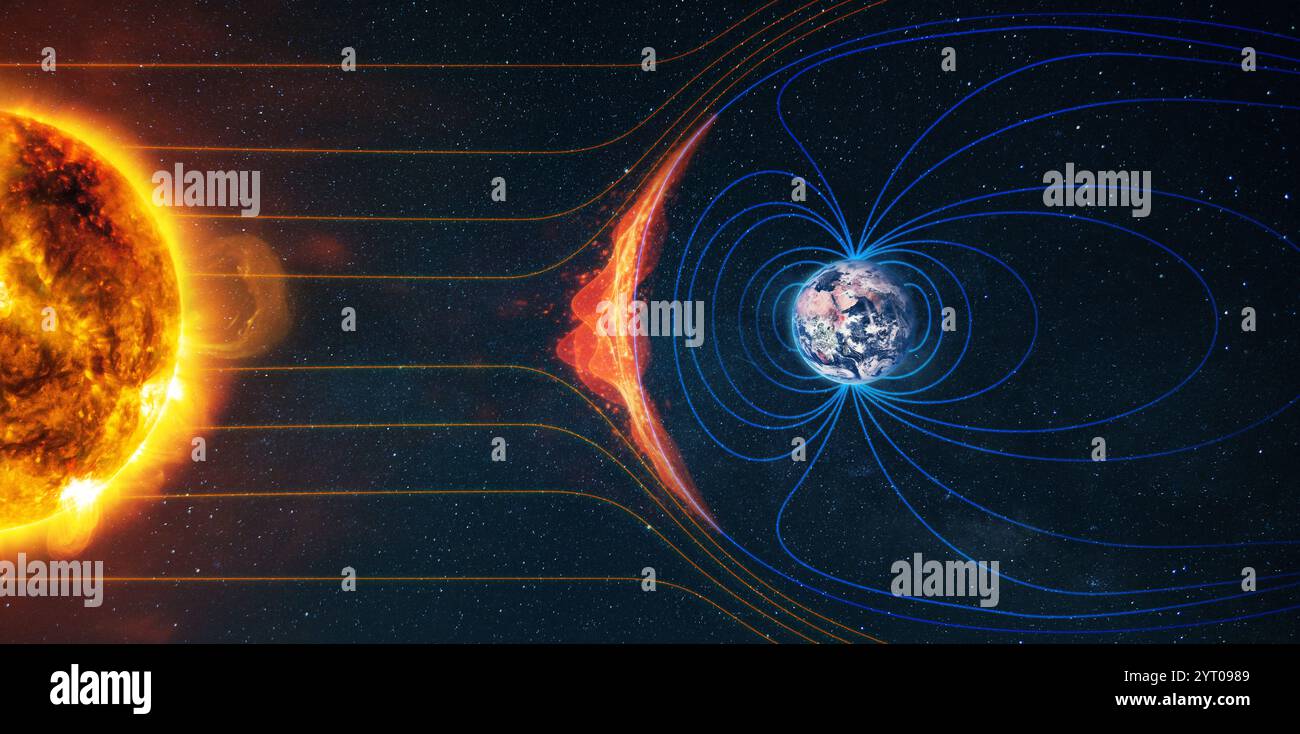
At the core of this research is the magnetosphere—the region around Earth dominated by its magnetic field. This shield acts as the first line of defense against the constant bombardment of solar radiation. When solar particles approach, the magnetosphere redirects them, channeling most around the planet while trapping others in regions known as the Van Allen radiation belts. According to the European Space Agency (ESA), which maintains a dedicated mission for this purpose, the complexity of this magnetic field is constantly evolving due to fluctuations in the Earth’s core and external solar influences.

The mission referred to in recent reports, the Swarm constellation, consists of three satellites designed to provide the best-ever survey of the magnetic field. Launched in November 2013, the Swarm mission has become the gold standard for geomagnetic data. By measuring the magnetic signals from the Earth’s core, mantle, crust, and oceans, as well as the ionosphere and magnetosphere, the mission allows researchers to disentangle the various sources of our planet’s magnetic environment.
Why Styria Matters in Space Research
The connection to Styria lies in the collaborative nature of European aerospace engineering. The state of Styria, known for its industrial and academic contributions, hosts specialized facilities and research groups that contribute to the precision instrumentation required for satellite missions. The development of components that can withstand the harsh conditions of space is a testament to the region’s technical expertise. This cross-pollination of industrial manufacturing and fundamental space science is vital for the success of missions like Swarm.
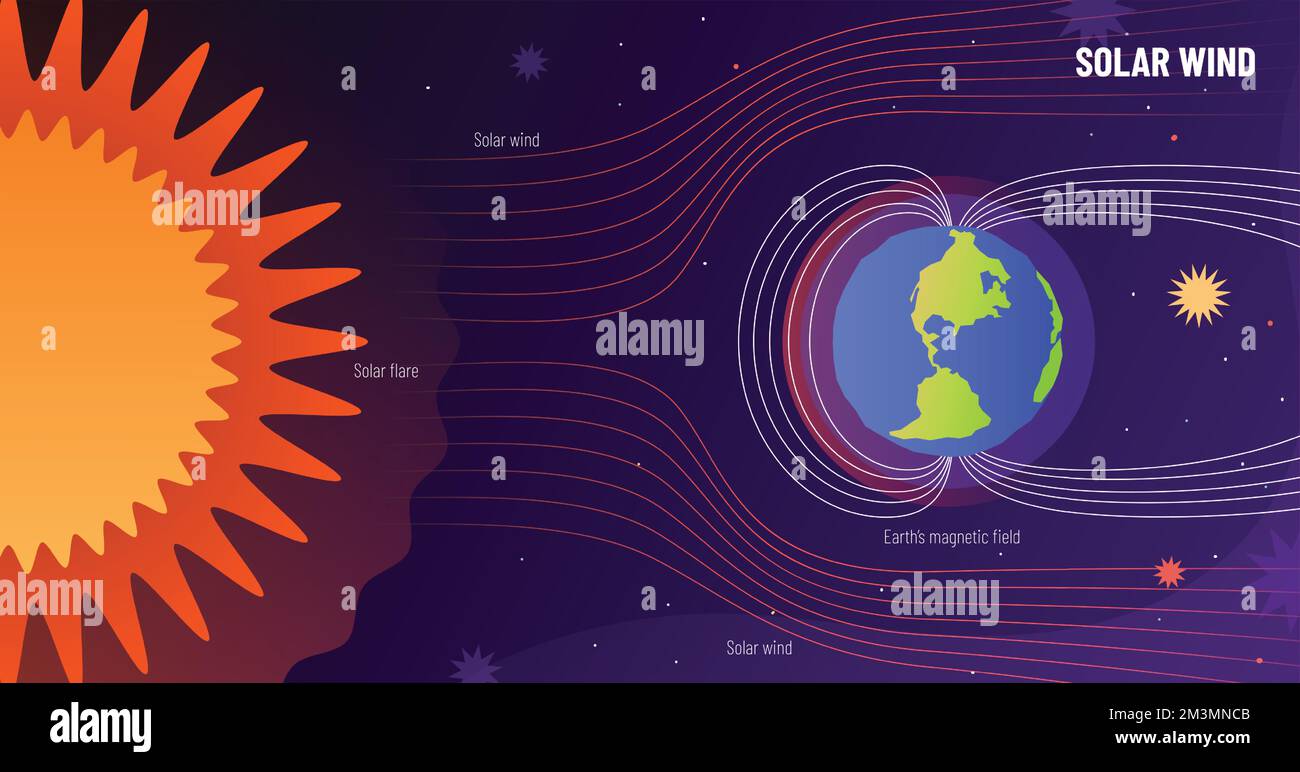
Researchers in these facilities often work on the sensors that measure the subtle shifts in magnetic intensity. When a geomagnetic storm hits, the magnetosphere is compressed, and the current systems in the upper atmosphere are significantly altered. By monitoring these shifts, scientists can better predict how severe space weather events will manifest on the ground. This data is essential for operators of critical infrastructure, who need to adjust operations during periods of intense solar activity to prevent hardware failure.
Understanding Space Weather Impacts
Space weather is not a static phenomenon; it is a dynamic, often unpredictable force. When solar wind interacts with the magnetosphere, it triggers geomagnetic storms that can last for several days. The impact of these storms is measured through various indices, such as the K-index, which quantifies the magnitude of geomagnetic disturbances. As noted by the National Oceanic and Atmospheric Administration (NOAA), the consequences of these events range from stunning auroras to the potential for significant disruption of satellite-based technologies and long-range radio communications.
The ongoing data collection from space-based platforms is vital for refining the models used to forecast these events. Without the constant stream of information provided by missions exploring the magnetosphere, our ability to mitigate the risks posed by extreme space weather would be severely limited. The work currently being facilitated by experts in regions like Styria ensures that these space missions remain at the cutting edge of precision and reliability.
Key Takeaways on Geomagnetic Research
- Magnetosphere Function: It serves as a vital shield protecting Earth from harmful solar radiation and particles.
- Mission Objectives: International missions like Swarm provide high-resolution data on the Earth’s magnetic field variations.
- Technological Resilience: Understanding magnetic interactions is crucial for protecting modern satellite and electrical power grids from solar-induced failures.
- Collaborative Effort: Specialized engineering hubs, including those in regions like Styria, play a fundamental role in creating the sensitive equipment required for deep-space and near-Earth observations.
As we look to the future, the focus remains on long-term data acquisition. The persistence of the Earth’s magnetic field is not guaranteed, and its ongoing changes require continuous observation. The next major updates regarding the health of our magnetosphere and the progress of current geomagnetic missions are expected to be published through the official portals of international space agencies later this year. We encourage our readers to stay engaged with these developments and share their thoughts on the intersection of planetary science and industrial innovation in the comments section below.
Related reading