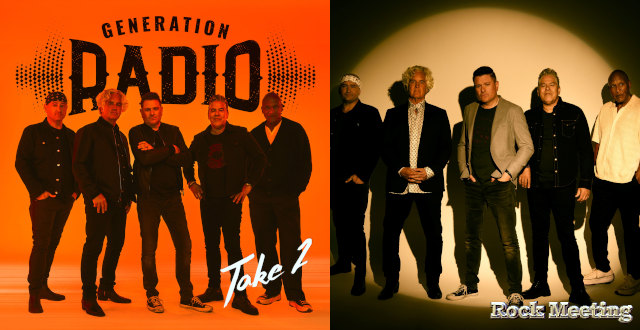
Generation Radio, the rock supergroup featuring founding members Jay DeMarcus of Rascal Flatts and former Chicago vocalist and bassist Jason Scheff, continues to draw attention for its unique fusion of classic rock sensibilities and modern production. The project, which also includes drummer Deen Castronovo, known for his long-standing tenure with Journey, serves as a bridge between the polished pop-rock of the 1980s and contemporary collaborative music-making. By leveraging their collective history in chart-topping bands, the members have curated a sound that often highlights high-fidelity arrangements and vocal-centric compositions, reminiscent of the era that birthed hits like Kenny Loggins’ “I’m Alright.”
The group’s formation represents a significant convergence of talent from the country and classic rock spheres. Jay DeMarcus, whose career is defined by his extensive work with the multi-platinum country trio Rascal Flatts, brings a production-focused perspective to the project. Meanwhile, Jason Scheff’s history with Chicago—a band synonymous with sophisticated horn arrangements and soft-rock staples—provides the melodic backbone for Generation Radio’s repertoire. According to the band’s official promotional materials, the group was conceived as a creative outlet for veteran musicians to explore the music they grew up loving, focusing on the craftsmanship of the late 20th-century rock canon.
The ensemble’s operational model emphasizes the “supergroup” dynamic, where individual members rotate and contribute based on their specific strengths. Deen Castronovo, who has been a central figure in the rock world since his time with Bad English and later Journey, adds a rhythmic intensity that balances the lighter, pop-leaning elements of the group’s sound. This combination has allowed them to perform a mixture of original material and arrangements of songs that defined the FM radio era, effectively utilizing their professional networks to maintain a presence in the live music circuit.
The Creative Vision Behind Generation Radio
At its core, Generation Radio operates as a testament to the enduring appeal of radio-friendly rock. The inclusion of songs like “I’m Alright” in their live sets is not coincidental; it reflects a broader commitment to the aesthetic of the 1980s. This decade was characterized by high production values, complex vocal layering, and a fusion of jazz, pop, and rock elements—a style that both Scheff and DeMarcus have navigated throughout their respective careers. By performing these tracks, the group aims to recreate the sonic experience of a time when rock music held a dominant position on global airwaves.


The collaboration between DeMarcus and Scheff highlights a cross-pollination of genres that has become increasingly common in the modern music industry. While Rascal Flatts carved out a space in the country market, the technical demands of that genre often mirror those of the classic rock world, particularly regarding vocal harmony and instrumentation. Scheff, having joined Chicago in 1985 and contributing to hits such as “Will You Still Love Me?” and “Look Away,” brings a deep understanding of the “Chicago sound,” which has been a major influence on the band’s artistic direction. Their work is documented in various industry profiles, including updates from outlets like RockMeeting, which tracks the evolution of these veteran musicians as they transition into new collaborative formats.
Impact on the Modern Live Music Landscape
The emergence of projects like Generation Radio underscores a shift in how legacy artists engage with their audiences. Rather than relying solely on the nostalgia of their original bands, these musicians are creating new entities that allow for greater creative freedom. For audiences, this provides an opportunity to hear familiar voices in a fresh context, often featuring stripped-back or rearranged versions of classic tracks. The band has been active on the touring circuit, participating in festivals and venue tours that prioritize the “classic rock” experience for fans who grew up during the 1970s and 1980s.
The logistical success of the group is largely attributed to the reputations of its founders. Jay DeMarcus has been a fixture in the Nashville music scene for decades, and his ability to leverage production resources has ensured that Generation Radio maintains a high standard of quality in both their recorded output and live performances. Similarly, Jason Scheff’s endurance as a performer is highlighted by his ability to maintain the vocal range necessary for the songs he became famous for during his 30-year run with Chicago, a period that concluded in 2016 as reported by The Chicago Tribune.
What Lies Ahead for the Ensemble
As the band continues to refine its setlist and tour, the focus remains on the intersection of professional musicianship and audience connection. Future updates regarding tour dates and potential studio recordings are typically disseminated through the band’s official social media channels and through industry news aggregators. For fans of the individual members, the project serves as a reminder that the influence of 1980s rock remains a potent force in contemporary music. The group’s ability to sustain interest is a reflection of the enduring legacy of the catalogs they represent and the ongoing demand for high-quality live performances from seasoned professionals.

The next steps for the group involve continued regional touring and potential appearances at summer music festivals, which have become a primary venue for legacy acts to reach multi-generational audiences. Fans are encouraged to follow official announcements from the band members’ individual platforms for the most accurate information regarding upcoming schedules and ticket availability. We welcome readers to share their thoughts on the evolution of the classic rock supergroup model in the comments section below.
Related reading