Switzerland’s official pediatric growth charts have been updated for the first time in over a decade, introducing new standards for monitoring children’s height, weight, and body mass index (BMI) from birth through adolescence. The revised curves, developed by Paediatrie Suisse (Swiss Pediatric Society), reflect modern population data and aim to improve early detection of growth-related health concerns. Experts say the changes will help clinicians identify developmental issues sooner, though parents may notice differences in their child’s plotted percentiles.
According to the Swiss Federal Office of Public Health (FOPH), the new charts—approved in late 2023 and set to replace older World Health Organization (WHO) and CDC-based references—incorporate data from over 10,000 Swiss children measured between 2015 and 2022. The update addresses shifts in nutrition, lifestyle, and genetic diversity while aligning with international best practices for pediatric growth assessment.
Dr. Markus Landolt, president of Paediatrie Suisse, emphasized in a statement that “growth patterns evolve over time, and our new curves provide a more accurate reflection of today’s Swiss children.” The changes follow similar updates in neighboring countries like Germany and France, where revised growth standards were introduced in 2020 and 2021, respectively.
Why the update matters: Growth charts are critical tools for pediatricians to track a child’s development, screen for conditions like malnutrition or obesity, and assess potential endocrine disorders. The old charts, based on 1970s–1990s data, risked misclassifying children whose growth trajectories had shifted due to improved nutrition or rising obesity rates. For example, a child previously plotted in the 50th percentile for height might now fall into the 75th percentile using the new curves—a change that doesn’t indicate a health problem but reflects updated population norms.
Key Differences: How the New Swiss Growth Charts Compare to Old Standards
The most noticeable changes appear in BMI percentiles, where the new curves show higher thresholds for “overweight” and “obese” categories compared to the WHO 2006 growth standards previously used in Switzerland. This shift mirrors global trends recognizing that childhood obesity rates have risen since the last updates.
For instance:
- Height-for-age: Percentiles for boys and girls aged 2–18 have shifted slightly upward, particularly in early adolescence, reflecting secular trends toward taller stature.
- Weight-for-height: The curves now account for differences in body composition, with wider spread in the upper percentiles to better capture diverse growth patterns.
- BMI-for-age: The new curves use Swiss-specific data, leading to higher cutoffs for obesity (e.g., the 97th percentile for BMI now aligns closer to international standards like those used in the U.S. CDC growth charts).
WHO’s 2006 growth standards, which Switzerland had previously adopted, were based on breastfed infants from six countries and did not fully represent Swiss children’s growth trajectories. The new charts address this gap by using locally collected data.
Who Will Be Affected? Parents, Pediatricians, and Schools
Parents may see their child’s growth metrics shift when plotted on the new curves, but this doesn’t necessarily mean a change in health status. For example, a 10-year-old girl previously in the 85th percentile for BMI might now fall into the 75th percentile—a reassuring adjustment that reflects updated population norms rather than a weight gain.
Pediatricians and school health programs will integrate the new charts into routine check-ups and developmental screenings. The Swiss Society of Pediatrics has provided training materials for clinicians to interpret the changes, emphasizing that the curves are tools for monitoring trends over time, not for diagnosing conditions based on a single measurement.
Schools conducting mandatory health screenings for children aged 4–16 will also adopt the new standards, though the transition period may take up to 18 months as clinics update their records. The FOPH has published guidance for educators on how to use the updated charts without causing unnecessary parental concern.
What the New Charts Mean for Health Monitoring
The updated growth curves are designed to improve early detection of two key health risks:
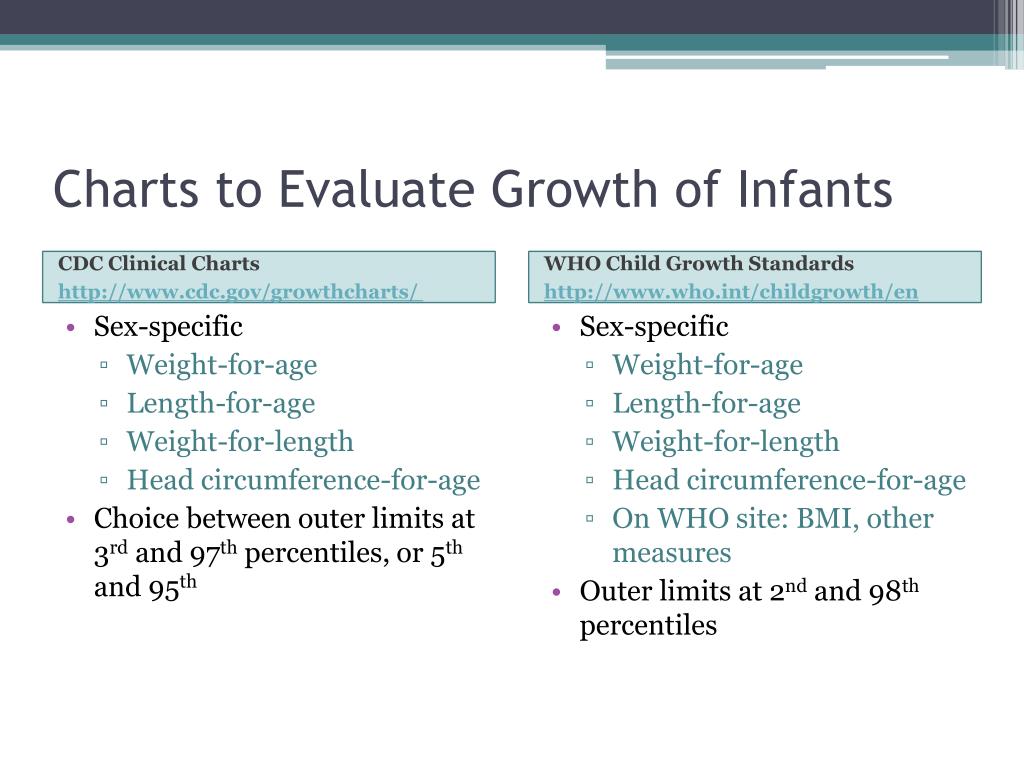
- Undernutrition or faltering growth: The new height-for-age percentiles are more sensitive to early signs of chronic illness, malnutrition, or endocrine disorders like growth hormone deficiency.
- Obesity and metabolic risks: The revised BMI curves use Swiss-specific data to better identify children at risk of type 2 diabetes or cardiovascular disease, with adjusted thresholds for “overweight” and “obese” categories.
Dr. Anna Meier, a pediatric endocrinologist at the University of Lausanne, noted that “the old charts sometimes led to false alarms for obesity in children who were simply following a healthy growth trajectory.” The new curves reduce such misclassifications by accounting for regional differences in body composition.
Where to Access the New Growth Charts
The official Swiss growth curves are available in three formats:
- Digital tools: The Paediatrie Suisse website offers an interactive BMI calculator and percentile plotter for parents and clinicians.
- Printed charts: Hard copies will be distributed to pediatric clinics, schools, and public health offices by mid-2024. A free downloadable PDF is expected by spring 2024.
- Mobile apps: Several Swiss health apps, including KinderarztPraxis, are updating their growth-tracking features to include the new curves.
Parents concerned about their child’s growth should discuss the new curves with their pediatrician during routine check-ups. The FOPH recommends plotting a child’s measurements on both the old and new charts during the transition period to compare trends.
International Context: How Switzerland’s Update Compares to Other Countries
Switzerland’s revision follows similar updates in:
- Germany (2020): Replaced WHO charts with locally derived curves, noting higher obesity rates in children.
- France (2021): Introduced new BMI percentiles to better reflect ethnic diversity and secular growth trends.
- United States (CDC, 2020): Updated growth charts to include more diverse racial/ethnic groups.
Unlike some countries that retained WHO standards, Switzerland’s decision to use national data aligns with recommendations from the European Childhood Obesity Group, which advocates for locally tailored growth references to improve accuracy in clinical settings.
What Happens Next? Timeline for Implementation
The transition to the new growth charts will unfold in phases:
- Spring 2024: Official release of digital tools and printed materials.
- Summer–Fall 2024: Pediatric clinics and schools begin using the new curves in routine screenings.
- 2025: Full integration expected, with old charts phased out for new patient records.
The FOPH will host a webinar for healthcare providers in March 2024 to address common questions about interpreting the new curves. Parents are encouraged to ask their child’s doctor about the changes during well-child visits.
Key Takeaways for Parents
- The new growth charts are based on recent Swiss data and reflect modern growth patterns.
- Percentiles may shift for your child, but this doesn’t indicate a health problem—it’s a recalibration of norms.
- BMI thresholds for “overweight” and “obese” have been adjusted upward to reduce false alarms.
- Pediatricians will use the new curves to monitor trends over time, not for single-visit diagnoses.
- Digital tools and printed charts will be available by spring 2024.
For additional resources, visit the Swiss Federal Office of Public Health’s obesity prevention page or contact your local pediatric clinic.
Have questions about how the new growth charts affect your child? Share your concerns in the comments below or email [email protected]. For the latest updates, follow World Today Journal’s Health section.
Related reading