
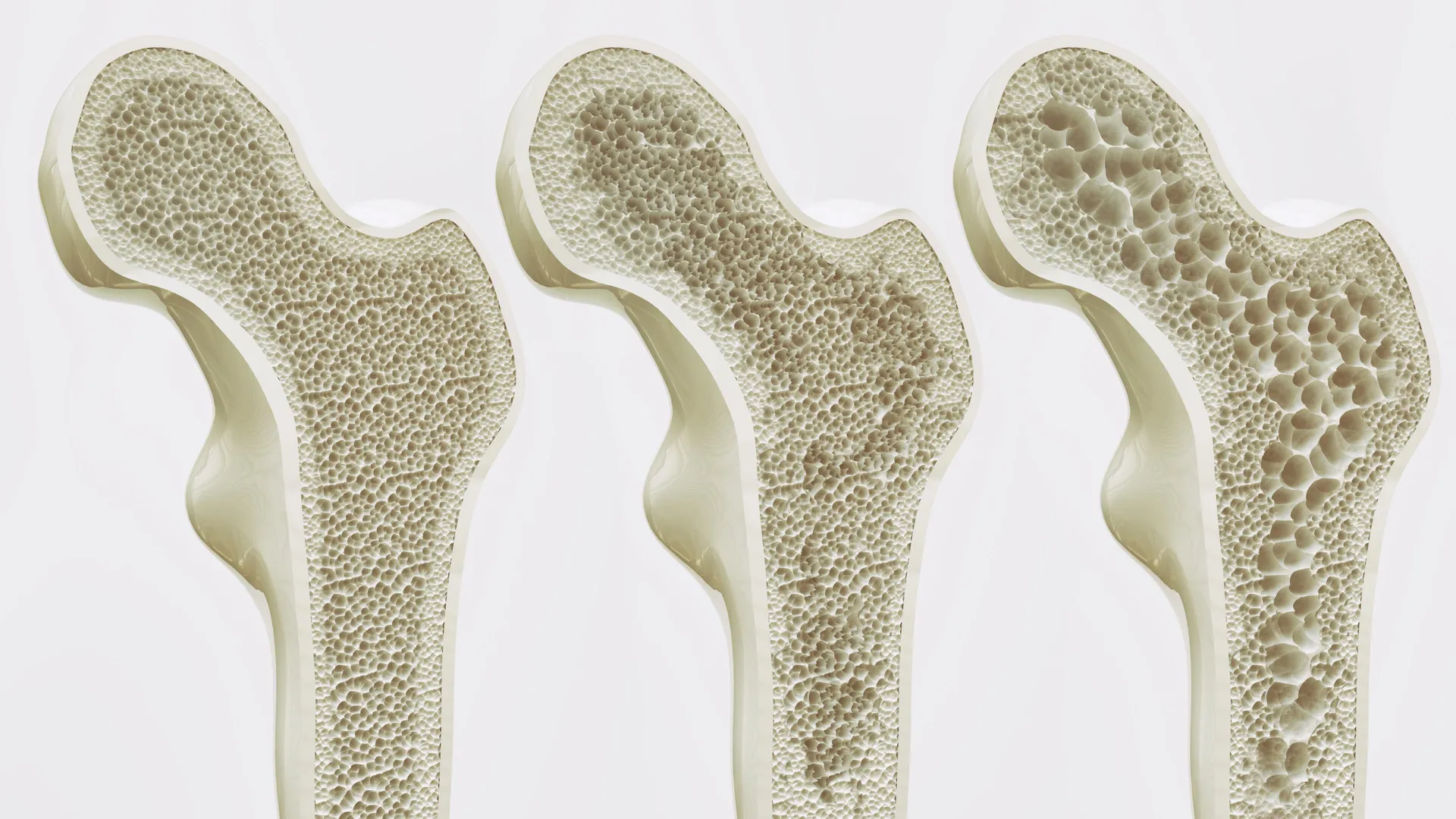
Maintaining skeletal integrity is a lifelong challenge, particularly as the body ages and the natural balance of bone regeneration shifts. For millions of people worldwide, the gradual loss of bone density leads to osteoporosis, a condition that increases frailty and the risk of debilitating fractures. However, recent scientific advancements suggest we may be closer to a solution that does more than just slow the decline.
Researchers may have found a way to maintain your bones strong for life by targeting a specific biological “switch” in the body. By identifying a previously little-known receptor, scientists have uncovered a potential mechanism to not only prevent the onset of bone loss but to actively rebuild weakened skeletal structures. This discovery represents a significant shift in how medical professionals approach bone health, moving from passive preservation to active restoration.
The focus of this breakthrough is a receptor known as GPR133, which has been identified as a powerful regulator of bone strength. In laboratory settings, the activation of this receptor has shown a remarkable ability to boost bone density and counteract damage similar to that seen in osteoporosis. For aging populations and those suffering from chronic bone degradation, this innovation offers a new horizon for treatment and long-term mobility.
Understanding the GPR133 Receptor and Bone Density
To understand why the GPR133 receptor is significant, it is first necessary to understand how bones maintain themselves. Bone is a living tissue that is constantly being broken down and rebuilt—a process called remodeling. When the breakdown exceeds the building, bone density drops, leading to the porous and brittle state characteristic of osteoporosis.

The GPR133 receptor acts as a regulator in this delicate balance. By utilizing a newly discovered compound called AP503, scientists were able to activate this receptor to stimulate the growth of new bone. In studies involving mice, the application of AP503 led to a measurable increase in bone density and helped reverse osteoporosis-like damage. This suggests that the receptor can be “flipped” to favor bone formation over bone loss.
This mechanism is particularly promising because it targets the underlying biological trigger of bone strength rather than simply treating the symptoms of fragility. Although current treatments often focus on preventing further loss, the ability to rebuild weakened bones could fundamentally change the quality of life for patients who have already suffered significant skeletal deterioration.
Potential Impact on Osteoporosis Treatment
Osteoporosis is a global health burden that disproportionately affects older adults, particularly post-menopausal women, due to the decline in estrogen which helps maintain bone mass. The potential for a treatment based on GPR133 activation could provide a more robust alternative to existing therapies.
The ability to reverse bone loss, rather than merely halting it, is the key differentiator in this research. If these results can be successfully translated from animal models to humans, the medical community may have a tool to treat “silent” bone loss before a fracture occurs, or to restore strength to bones that have already develop into dangerously thin.
For the millions of people affected by this condition, such a breakthrough could indicate a reduction in the frequency of hip and spinal fractures, which are often the catalysts for a permanent decline in independence and health in the elderly. By keeping bones strong for life, the goal is to ensure that the skeletal system remains resilient regardless of age.
Key Takeaways of the Discovery
- Target Identification: Scientists identified the GPR133 receptor as a critical regulator of bone strength.
- Active Compound: A new compound, AP503, was used to activate the receptor and increase bone density.
- Reversal Potential: The research demonstrated the ability to counteract osteoporosis-like damage in mice.
- Clinical Hope: The finding opens the door for treatments that rebuild weakened bones rather than just preventing further loss.
From Laboratory Findings to Clinical Application
While the results in mice are highly encouraging, the journey from a laboratory discovery to a pharmacy shelf is rigorous. The next phases of research will focus on whether the AP503 compound and the GPR133 receptor behave similarly in the human body. This involves extensive safety testing and clinical trials to ensure that stimulating bone growth does not lead to unintended side effects in other tissues.
Medical innovation of this type typically follows a strict pipeline: initial discovery, animal testing, Phase I safety trials in humans, and eventually Phase II and III trials to prove efficacy across diverse populations. Because bone remodeling is a slow process, these trials require careful monitoring over extended periods to verify that the increased density results in actual structural strength and a lower risk of fractures.
The global health community is closely watching these developments, as a successful treatment would significantly reduce the healthcare costs associated with osteoporosis-related hospitalizations and long-term care. The ability to maintain skeletal integrity throughout a lifetime would be a landmark achievement in public health and geriatric medicine.
Further information regarding the progression of these studies and potential human trials can be monitored through official scientific announcements and medical journals. For those currently managing bone health, it is recommended to continue following the guidance of healthcare providers and adhering to established bone-density maintenance protocols while these new therapies move toward clinical availability.
As the scientific community continues to explore the potential of the GPR133 receptor, the goal remains clear: transforming osteoporosis from a progressive, inevitable decline into a manageable, and perhaps reversible, condition. We invite our readers to share their thoughts on these medical advancements in the comments below and share this article with those who may find this news hopeful.