
New research suggests a concerning link between modern dietary habits and reproductive health, indicating that a higher intake of ultraprocessed foods may reduce fertility in both men and women. Two recently published analyses have highlighted how these highly engineered food products—often characterized by industrial additives and minimal whole-food ingredients—may not only lower the odds of conception but also slow human embryonic growth.
The findings represent a shift in how researchers view reproductive wellness, moving away from a primary focus on maternal health to a more inclusive look at how both partners’ diets impact the possibility of starting a family. This holistic approach suggests that the nutritional environment of both parents plays a critical role in fertility outcomes and early human development.
Dr. Leigh A. Frame, an associate professor at The George Washington University, describes these findings as “compelling,” noting that they move beyond maternal diet alone to consider both partners. While Dr. Frame, who was not involved in the studies, clarifies that ultraprocessed foods (UPFs) may not be the sole determinant of fertility outcomes, she emphasizes that the data adds to a growing body of evidence regarding the impact of diet quality on reproductive health.
Understanding the Impact of Ultraprocessed Foods on Fertility
Ultraprocessed foods are typically industrial formulations that include substances not commonly used in home cooking, such as hydrogenated fats, modified starches, and various flavor enhancers. The recent analyses indicate that the consumption of these foods is associated with specific reproductive challenges across different genders.
For men, one study found that a greater intake of ultraprocessed foods was linked to reduced fertility and a slowing of embryonic growth. In women, a separate analysis indicated that higher consumption of these foods lowered the odds of fertility. These results suggest that the chemical composition and nutritional void of UPFs may interfere with the biological processes necessary for successful reproduction and early development.
The Role of Nutrition and the Microbiome
The connection between diet and fertility is often linked to broader systemic health. Experts in the field, including Dr. Frame, have highlighted the importance of the microbiota-gut-brain-immune interface. The microbiome—the community of microorganisms living in the gut—is heavily influenced by nutrition and plays a significant role in overall well-being and immune function.
When the diet is dominated by ultraprocessed foods, the balance of the microbiome can be disrupted, potentially leading to systemic inflammation or nutritional deficiencies. This environment can be detrimental to reproductive health, as the body requires specific nutrients and a stable internal environment to support the creation and growth of healthy embryos.
Expert Perspectives on Diet Quality
The discussion around ultraprocessed foods often intersects with other health crises, such as the paradox of malnutrition in obesity. This occurs when an individual consumes a high volume of calories from processed sources but remains deficient in essential vitamins and minerals—such as Vitamin D, which is recognized as an immune-modulatory hormone.
Dr. Frame’s work as the Chief Wellness Officer of George Washington University Medicine and Director of the Resiliency & Well-being Center emphasizes a “whole-person care” approach. This philosophy suggests that resilience and health are not just the absence of disease, but the result of integrated lifestyle factors, including the quality of the food we consume.
By shifting the focus from “maternal diet alone” to the health of both partners, the medical community is beginning to recognize that paternal nutrition is just as vital. The evidence suggests that the biological markers of health in men are significantly influenced by the presence of ultraprocessed foods in their daily regimen, which in turn affects the viability of the embryo.
Key Takeaways on UPFs and Reproductive Health
- Bilateral Impact: Research indicates that ultraprocessed foods can reduce fertility in both men and women.
- Developmental Delays: High intake of UPFs is associated with slowed embryonic growth.
- Beyond the Mother: Modern evidence emphasizes that the father’s diet is a critical factor in reproductive success.
- Dietary Quality: The findings build on a broader trend linking poor diet quality to chronic health issues and reduced fertility.
What In other words for Public Health
The implications of these findings extend beyond individual choices, pointing toward a broader public health challenge. As ultraprocessed foods become more prevalent in global food systems, the risk of declining fertility rates may increase. This highlights the require for science communication and education regarding the difference between processed and ultraprocessed foods.
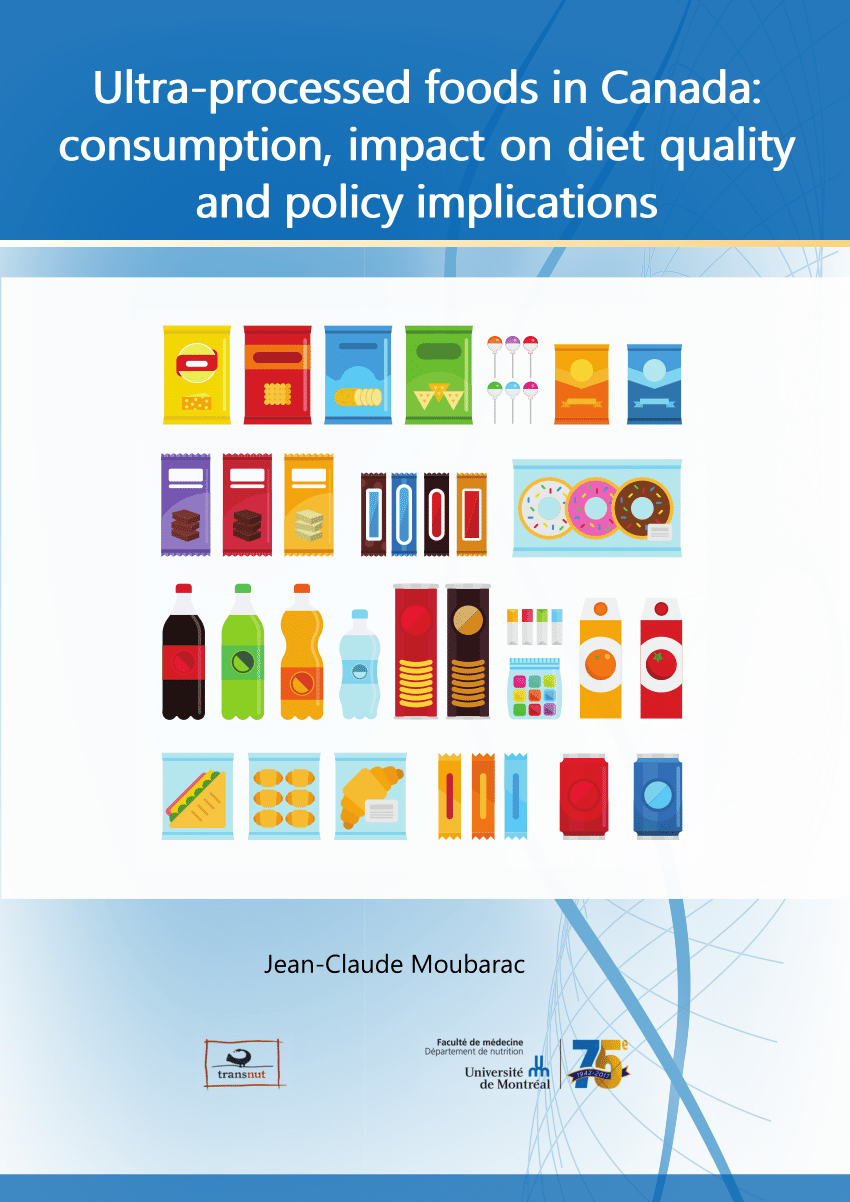
For those looking to improve their reproductive health, the evidence suggests a move toward whole, minimally processed foods. Reducing the reliance on industrial food formulations may aid stabilize the microbiome and provide the necessary nutrients to support fertility and healthy embryonic development.
As research continues to explore the microbiota-gut-brain-immune interface, It’s likely that more specific dietary guidelines will emerge to help couples navigate the complexities of reproductive wellness in an era of highly processed nutrition.
Further research and clinical studies are expected to continue refining the understanding of how specific additives in ultraprocessed foods contribute to these fertility declines. Those seeking guidance on diet and fertility are encouraged to consult with healthcare providers specializing in integrative medicine and nutrition.
We invite our readers to share their thoughts on the impact of processed foods on health in the comments below. Please share this article to help others understand the importance of diet quality in reproductive health.
Keep reading
- Does AI Hinder Learning? How Guided AI Tools Can Preserve Human Skills
- The Dangers of AI Fitness Coaches: Injuries and Body Dysmorphia Risks
- 3D DNA mapping in rare immune cells reveals new genes linked with autoimmune disease risk (archyde.com)
- Chipotle Investigated Over Salmonella Outbreak Linked to Jalapeño Peppers (time.news)