The legislative battle over President Donald Trump’s war powers in Iran has reached a stalemate, as House Republicans continue to block Democratic efforts to limit the administration’s military authority. The tension comes amid a fragile two-week ceasefire and escalating concerns over the stability of the Middle East.
Democratic lawmakers have repeatedly attempted to force a vote on resolutions that would end the conflict and prohibit further military action without explicit congressional approval. Still, these efforts have been systematically halted by GOP leadership, underscoring a deep divide in Washington over the balance of power between the executive branch and Congress during active hostilities.
The current standoff is characterized by a sharp contrast in public positioning. While Senate Republicans maintain a unified front in support of the president’s strategy, House Democrats argue that the existing ceasefire is a temporary measure that fails to provide a permanent resolution to the crisis.
House Republicans Block War Powers Resolution
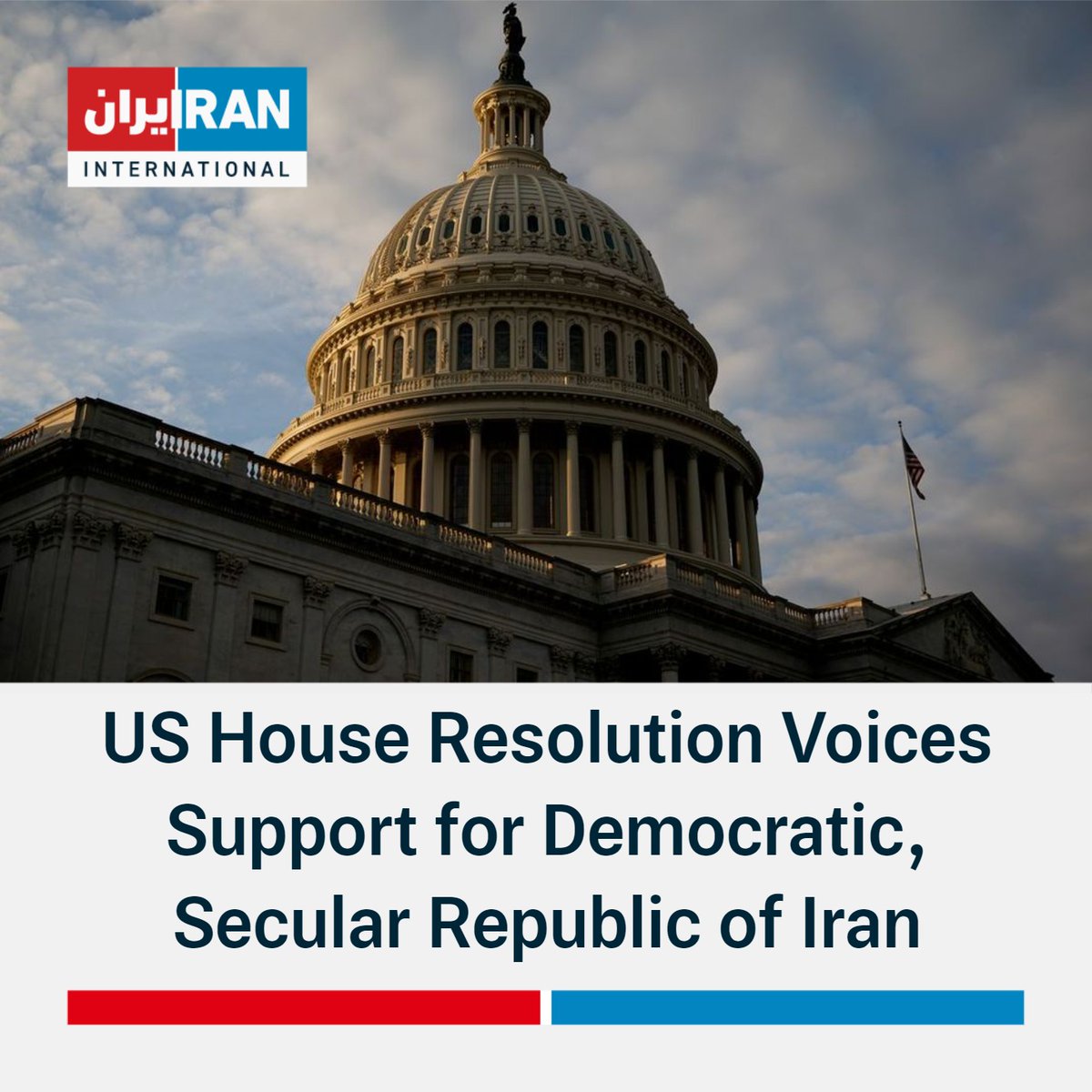
On April 9, House Republicans blocked a Democratic effort to curb President Donald Trump’s war powers regarding Iran leaving the White House with broad room to act. The attempt was led by Rep. Glenn Ivey (D-Md.), who sought to pass a war powers resolution by unanimous consent during a pro forma session.
The procedural move was thwarted when Rep. Chris Smith (R-N.J.), presiding over the session, adjourned the meeting before recognizing Rep. Ivey on the floor. The proposed measure, which received support from House Democratic leadership, was designed to end the Iran conflict and mandate congressional approval for any future military engagements.
House Minority Leader Hakeem Jeffries (D-N.Y.) has since demanded that GOP leadership reconvene the chamber immediately. In a “Dear Colleague” letter, Jeffries asserted that a two-week ceasefire is “woefully insufficient” and called for a vote on a resolution to permanently end the war in the Middle East.
Escalation in the Strait of Hormuz
The political battle in Washington is unfolding against a backdrop of severe military volatility. According to analysis from Retired Navy Captain Brent Sadler, Iran has fired 2,819 missiles over the last 40 days highlighting the peril in the Strait of Hormuz.

This aggression has led to diplomatic friction with regional partners. The United Arab Emirates (UAE) has demanded urgent clarification regarding the current Iran ceasefire agreement, stating that the “era of courtesies has passed” as aggression continues to escalate in the region.
Senate Support and GOP Strategy
While Democrats push for legislative constraints, Senate Republicans remain steadfast in their backing of the administration. On April 14, GOP senators dismissed the Democratic push for war powers as “political theater” that does not contribute to national security decrying the efforts as exhausting.
The Republican strategy appears focused on maintaining the president’s flexibility in managing the conflict, arguing that the executive branch requires broad authority to respond to Iranian aggression and protect U.S. Interests in the Middle East.
Key Conflict Parameters
| Metric/Status | Detail |
|---|---|
| Current Agreement | Two-week ceasefire |
| Recent Missile Activity | 2,819 missiles fired by Iran (last 40 days) |
| Democratic Objective | Mandatory congressional approval for military action |
| Republican Objective | Maintain broad executive war powers |
The deadlock over Trump’s war powers Iran reflects a broader constitutional struggle over the War Powers Resolution of 1973, as Congress attempts to reclaim its role in authorizing overseas conflicts. For the global community, the outcome of this internal U.S. Political struggle remains critical, as it determines the predictability and limits of American military engagement in a volatile region.
The next critical checkpoint will be the formal reconvening of the House, which was not expected until the week of April 13, and the subsequent expiration of the current two-week ceasefire agreement.
World Today Journal encourages readers to share this report and join the conversation in the comments section below regarding the balance of executive and legislative power in times of war.
Keep reading