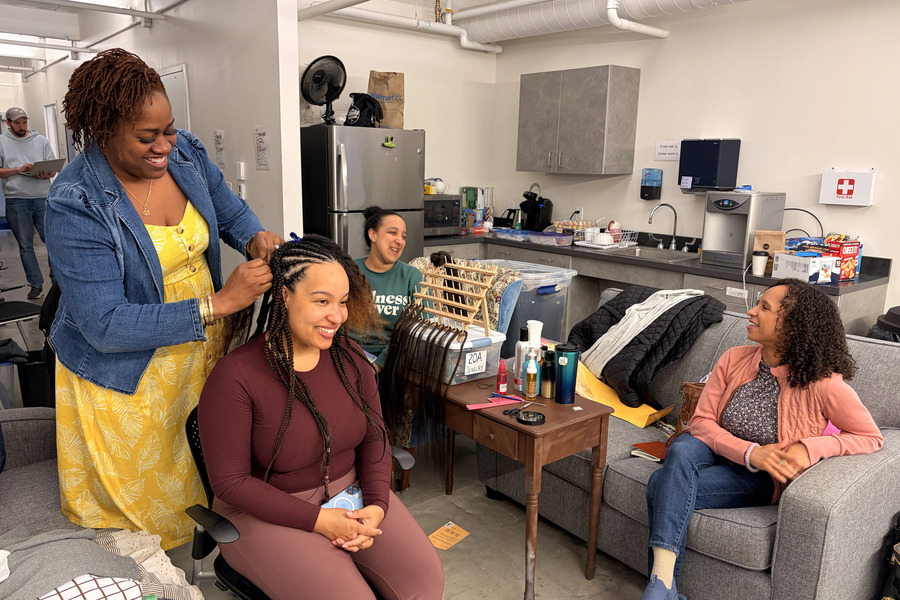
The entertainment industry has long navigated complex technical requirements for hair styling, yet for many performers with textured hair, the lack of standardized, professional care on set has remained a persistent systemic failure. A new initiative, Art & Soul Consulting, is seeking to bridge this gap by introducing the first production-side standard for hair in theatre, film and television. This move aims to directly address the absence of qualified hair leads on productions, ensuring that performers with textured hair receive the same level of professional expertise as their counterparts.
For decades, the standard of “hair care” in professional media has often been shaped by a narrow set of technical skills, frequently failing to account for the diversity of hair textures required by a modern, inclusive cast. The introduction of these new standards represents a significant shift in how productions approach their duty of care to talent. By establishing clear expectations for hair leads, the initiative seeks to eliminate instances where actors are forced to arrive on set with their own hair already styled or where stylists lack the specific training required to work with diverse hair types.
Establishing Professional Standards for Hair Leads
The core of the Art & Soul Consulting framework is the professionalization of the hair lead role. Historically, productions have operated with varying levels of oversight regarding hair department qualifications. In many cases, the lack of a dedicated lead—or the appointment of a lead without specific experience in textured hair—has resulted in inconsistent quality and, in some instances, damage to performers’ hair. The new standard mandates that productions prioritize technical proficiency, ensuring that those in charge of the hair department are properly equipped to manage a wide range of hair textures safely and effectively.

This initiative is part of a broader movement within the industry to address institutional disparities. As performers and unions continue to advocate for better working conditions, the demand for equitable treatment in hair and makeup departments has become a central pillar of diversity, equity, and inclusion (DEI) efforts. According to the Screen Actors Guild-American Federation of Television and Radio Artists (SAG-AFTRA), protections for performers regarding hair and makeup are increasingly being codified into collective bargaining agreements to ensure that all members are treated with dignity and provided with qualified professionals.
Why Texture Readiness Matters
The term “texture ready” serves as a benchmark for production preparedness. It implies that a hair department has the necessary products, tools, and, most importantly, the trained personnel to accommodate all hair types from the first day of production. When a production is not texture ready, the burden of labor often shifts unfairly onto the performer, who may be required to spend extra time prepping their own hair outside of working hours, or, worse, suffer the consequences of unqualified handling.

The industry standard for hair care is being redefined to include a baseline competency in textured hair. This involves an understanding of heat settings, chemical treatments, and the specific needs of curly, coily, and tightly textured hair. By implementing these standards, Art & Soul Consulting is providing a blueprint for productions to audit their own departments. This proactive approach is expected to reduce the need for last-minute external contractors and foster a more collaborative environment on set where every performer feels that their physical needs are met by the production’s infrastructure.
The Impact on Future Productions
As the industry moves toward more inclusive hiring practices, the adoption of these standards is likely to become a competitive advantage. Productions that can demonstrate a commitment to professional, inclusive hair care are better positioned to attract and retain top-tier talent. The standardization of the hair lead role provides a clearer career path for stylists who have historically been sidelined by traditional, Eurocentric training models.
Stakeholders in the theatre, film, and television sectors are encouraged to review their current hiring practices. Organizations such as the International Alliance of Theatrical Stage Employees (IATSE) have long championed the importance of safety and professional standards across all crafts, and the integration of textured hair expertise into these standards is a natural evolution of that mission. As these guidelines gain traction, the goal is for “texture ready” to become the norm rather than an exceptional circumstance.
Looking Ahead: Ensuring Compliance and Growth
The success of these new standards will depend on the willingness of production companies to invest in training and recruitment. While the initial focus is on setting the standard, the long-term objective involves creating a sustainable pipeline of qualified hair leads who are experts in diverse textures. Periodic industry reviews and updates to safety protocols are expected to track the adoption of these practices across major studios and independent productions.
For those interested in the ongoing evolution of these standards, industry updates are typically shared through trade publications and union communications. As the landscape continues to change, maintaining an open dialogue between performers, hair stylists, and production management will be essential to ensuring that these standards are not just met, but consistently exceeded. We invite our readers to share their thoughts on the importance of these standards in the comments section below, and stay tuned to World Today Journal for further developments on this evolving story.
Worth a look