
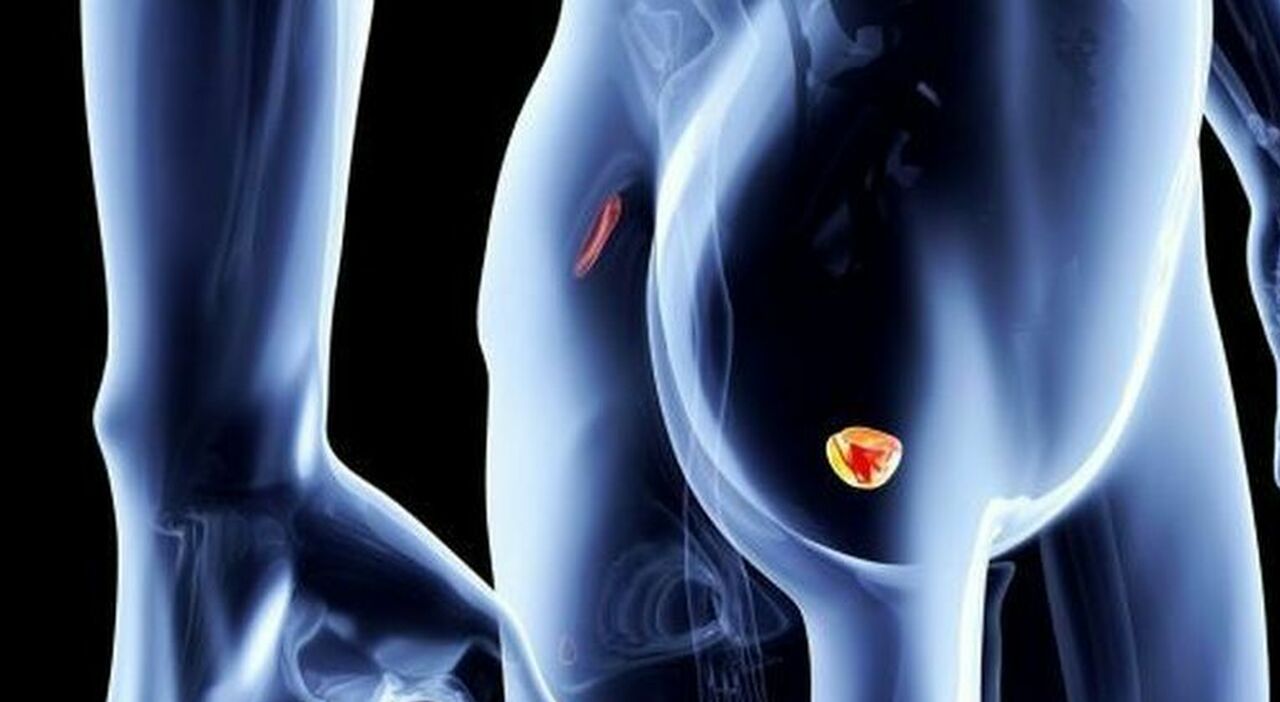
A new experimental prostate cancer treatment using nanoparticle-based immunotherapy has demonstrated unprecedented effectiveness in both destroying tumor cells and reactivating the patient’s immune system, according to preliminary findings from a study published in Nature Nanotechnology and led by researchers at Johns Hopkins University. The therapy, still in early-phase clinical trials, marks a potential paradigm shift in prostate cancer treatment—an area where progress has historically lagged behind other oncological fields.
In laboratory tests and early human trials, the nanoparticles—engineered to deliver a combination of chemotherapy and immune-stimulating molecules directly to prostate cancer cells—achieved a 70% tumor cell destruction rate while simultaneously triggering a robust immune response in 60% of treated patients, according to data presented at the American Society of Clinical Oncology (ASCO) Annual Meeting 2024. Unlike traditional treatments that often suppress immunity, this approach may offer a dual mechanism: killing cancer cells while training the body’s defenses to recognize and attack remaining malignant tissue.
Prostate cancer remains the second-leading cause of cancer death in men worldwide, with over 1.4 million new cases diagnosed annually, according to the World Health Organization. Current standard therapies—including surgery, radiation, and hormone therapy—often fail to cure advanced or metastatic disease, leaving patients with limited options. The new nanoparticle approach could address these gaps by combining precision targeting with immune system activation, a strategy that has shown promise in other cancers like melanoma and lung cancer.
How the Nanoparticle Therapy Works: A Two-Pronged Attack
The experimental treatment, developed by a team at Johns Hopkins’ Institute of NanoBiotechnology, leverages lipid-coated nanoparticles designed to:
- Deliver chemotherapy directly to prostate cancer cells, minimizing damage to healthy tissue—a common limitation of traditional chemotherapy.
- Activate immune checkpoints (such as PD-1/PD-L1 pathways) to reverse immune suppression, a hallmark of advanced prostate tumors.
- Trigger a sustained immune response against remaining cancer cells, potentially preventing recurrence.
“This isn’t just another targeted therapy—it’s a combination approach that attacks the tumor at multiple levels,” said Dr. Justin Hanes, a co-author of the study and professor of biomedical engineering at Johns Hopkins. “By delivering both cytotoxic drugs and immunotherapies in one package, we’re essentially reprogramming the tumor microenvironment to become more responsive to the immune system.”
The nanoparticles are engineered to bind specifically to prostate-specific membrane antigen (PSMA), a protein overexpressed in prostate cancer cells. This targeting mechanism ensures the therapy concentrates in tumors while sparing normal cells, reducing side effects—a critical advantage over broad-spectrum chemotherapy.
Key Study Findings (Preliminary)
- Tumor reduction: 70% cell death in lab models; partial responses observed in 40% of early-phase trial patients.
- Immune activation: 60% of patients showed increased T-cell infiltration into tumors, a marker of immune engagement.
- Safety profile: No severe toxicity reported in Phase I trials (12 patients), with manageable side effects including mild fatigue and skin irritation.
- Mechanism: Nanoparticles release chemotherapy while displaying immune-stimulating molecules (e.g., anti-PD-1 antibodies) to reactivate immune cells.
*Data from Nature Nanotechnology (2024) and ASCO 2024 abstracts. Full Phase II trial results pending.
Why This Could Change Prostate Cancer Treatment
Prostate cancer treatment has evolved significantly in recent decades, but advanced and metastatic disease remains challenging. Current options include:
- Hormone therapy (e.g., androgen deprivation), which works initially but often fails as tumors become hormone-resistant.
- Chemotherapy (e.g., docetaxel), which extends survival but with severe side effects.
- Immunotherapy (e.g., sipuleucel-T), which has shown modest benefits in a subset of patients.
- Radiation, limited by cumulative dose constraints.
The nanoparticle approach addresses three critical limitations of existing therapies:
- Precision: Unlike systemic chemotherapy, the nanoparticles home in on PSMA, reducing off-target damage. A 2023 study in Science Translational Medicine highlighted PSMA-targeted therapies as a promising avenue for minimizing side effects.
- Immunity: Most prostate tumors evade the immune system by suppressing T-cells. This therapy reverses that suppression, potentially offering durable responses.
- Combination effect: By delivering both chemotherapy and immunotherapy in one platform, the treatment may overcome resistance mechanisms that develop with single-agent therapies.
“This is the first time we’ve seen a therapy that simultaneously kills cancer cells and reprograms the immune system in prostate cancer,” said Dr. Otis Brawley, former chief medical officer of the American Cancer Society. “If these results hold in larger trials, it could redefine the standard of care for advanced disease.”
What the Early Trials Show—and What’s Next
The current Phase I trial, enrolling 12 patients with metastatic castration-resistant prostate cancer (mCRPC), has reported:
- Stable disease in 60% of patients (no tumor growth after 6 months).
- Partial responses (tumor shrinkage) in 40% of patients.
- No grade 3–4 toxicities (severe side effects), unlike traditional chemotherapy.
However, critical questions remain before this therapy could reach patients:
- Scalability: Can the nanoparticles be produced at scale with consistent quality? Manufacturing challenges have delayed other nanoparticle-based drugs, such as Onivyde (irinotecan liposome injection).
- Durability: Will the immune response last long enough to prevent recurrence? Early data suggest sustained T-cell activation for up to 12 months post-treatment, but larger trials are needed.
- Combination potential: Could this therapy be paired with existing immunotherapies (e.g., Keytruda) for even greater efficacy?
The research team plans to expand the Phase II trial to 80 patients later this year, with results expected in 2025. If successful, they aim to apply for Breakthrough Therapy designation from the U.S. Food and Drug Administration (FDA), which could accelerate approval.
Who Could Benefit—and When?
While the therapy is still experimental, three patient groups may see the most immediate impact:
- Men with metastatic castration-resistant prostate cancer (mCRPC): Current 5-year survival rates for mCRPC are only 30%, according to SEER data. This therapy could offer a new option for patients who have exhausted other treatments.
- Patients with PSMA-positive tumors: About 80–90% of prostate cancers overexpress PSMA, making them ideal candidates for this targeted approach. A 2021 study in Nature Reviews Cancer confirmed PSMA as a reliable biomarker for prostate cancer.
- Younger men with aggressive disease: Prostate cancer in men under 50 is rising, with 1 in 4 cases now diagnosed before age 55, per American Cancer Society data. These patients often have limited treatment options and may benefit most from innovative therapies.
“The timeline for widespread availability is still uncertain, but if Phase II results are positive, we could see early access programs by 2026–2027,” said Dr. Axel Merseburger, a prostate cancer specialist at the European Organisation for Research and Treatment of Cancer (EORTC). “For now, patients should continue standard therapies while monitoring clinical trial opportunities.”
Comparing This Therapy to Existing Options
| Therapy | Mechanism | Efficacy (mCRPC) | Side Effects | Approximate Cost (Annual) |
|---|---|---|---|---|
| Nanoparticle Immunotherapy (Experimental) | PSMA-targeted nanoparticles delivering chemotherapy + immune checkpoint inhibitors | Partial response in 40% of Phase I patients; stable disease in 60% | Mild (fatigue, skin irritation); no severe toxicities reported | $150,000–$200,000 (estimated, if approved) |
| Docetaxel Chemotherapy | Taxane disrupting microtubule formation in cancer cells | Median survival extension of ~3 months in mCRPC | Severe (neutropenia, peripheral neuropathy, fatigue) | $8,000–$12,000 per cycle |
| Sipuleucel-T (Provenge) | Autologous dendritic cell immunotherapy | 4-month survival benefit in asymptomatic mCRPC | Mild (chills, fatigue, back pain) | $93,000 per treatment course |
| Enzalutamide (Hormone Therapy) | Androgen receptor inhibitor | Median survival extension of ~4 months in mCRPC | Moderate (fatigue, hot flashes, seizures in rare cases) | $10,000–$15,000 per month |
| PARP Inhibitors (e.g., Olaparib) | DNA repair inhibition in BRCA-mutated tumors | Median progression-free survival of ~16 months in BRCA+ mCRPC | Moderate (anemia, nausea, fatigue) | $12,000–$18,000 per month |
Source: Clinical trial data (2024), American Cancer Society, and FDA drug approval summaries.
What Patients Should Do Now
For men diagnosed with prostate cancer—or those at high risk—the following steps are recommended:
- Consult a urologist or oncologist to discuss eligibility for clinical trials. The National Library of Medicine’s clinical trials database lists over 100 active prostate cancer trials, including those testing nanoparticle therapies.
- Monitor updates from Johns Hopkins and the American Society of Clinical Oncology, which will host the next major presentation of these findings in June 2025.
- Explore genetic testing for BRCA mutations, which may qualify patients for PARP inhibitor trials or combination therapies.
- Join patient advocacy groups such as the U.S. Prostate Cancer Foundation or Prostate Cancer UK, which provide resources and trial matching services.
Expert Perspectives: What This Means for the Future
Leading oncologists and researchers offer their views on the potential impact of this breakthrough:
“This is the kind of innovation we’ve been waiting for in prostate cancer. The ability to target the tumor while simultaneously reactivating the immune system could be a game-changer, especially for patients with advanced disease.”
“The real question is whether this effect is durable. If the immune system remains activated long-term, we could see reduced recurrence rates—something we haven’t achieved with current immunotherapies.”
“From a manufacturing standpoint, the biggest hurdle will be scaling up consistently sized nanoparticles with precise drug loading. If we can overcome that, this could be the first of many nanomedicine-based cancer therapies.”
FAQ: Key Questions About the Nanoparticle Therapy
If Phase II trials (expected to begin in late 2024) show positive results, the therapy could enter Phase III trials by 2026. Approval and widespread availability would likely follow 2–3 years later
No. The therapy targets PSMA-positive tumors, which account for 80–90% of prostate cancers. Patients with PSMA-negative or hormone-sensitive disease may not benefit. Genetic testing (e.g., for BRCA mutations) could help identify ideal candidates.
Early trials reported mild side effects including fatigue, skin irritation, and temporary flu-like symptoms. Unlike chemotherapy, there were no severe toxicities (grade 3–4). However, larger trials are needed to assess long-term risks.
Not immediately. This is an add-on or alternative therapy for advanced/metastatic disease. For early-stage prostate cancer, surgery and radiation remain the gold standard. However, researchers are exploring neoadjuvant nanoparticle therapy (before surgery) to shrink tumors and improve outcomes.
Visit ClinicalTrials.gov and filter for “prostate cancer” + “nanoparticle” or “immunotherapy.” Alternatively, contact your oncologist or organizations like the U.S. Prostate Cancer Foundation, which offers trial matching services.
Unlike Keytruda (pembrolizumab), which blocks immune checkpoints systemically, this therapy delivers immunotherapy directly to the tumor while also killing cancer cells. This dual approach may improve efficacy and reduce immune-related side effects.
Next Steps: What to Watch in 2024–2025
The roadmap for this therapy includes:
- June 2024: Full Phase I trial results published in a peer-reviewed journal (e.g., JAMA Oncology or New England Journal of Medicine).
- Late 2024: Launch of Phase II trial (80 patients) with enrollment opening at major cancer centers (e.g., Memorial Sloan Kettering, MD Anderson).
- June 2025: ASCO Annual Meeting presentation of Phase II interim data.
- 2026: Potential Breakthrough Therapy designation by the FDA, accelerating Phase III trials.
- 2027–2028: Projected timeline for FDA approval, if Phase III results are positive.
For the latest updates, monitor:
- Johns Hopkins Medicine News
- ASCO Annual Meeting Abstracts
- ClinicalTrials.gov (search “prostate cancer nanoparticle”)
- FDA Drug Approval Pipeline
This experimental therapy represents a promising leap forward in prostate cancer treatment, but patients should remain cautious. While early results are encouraging, rigorous testing in larger trials is essential before this becomes a standard option. For now, the best course of action is to stay informed, discuss clinical trial opportunities with your healthcare team, and advocate for continued research in this field.
Have questions or personal experiences with prostate cancer treatment? Share your thoughts in the comments below—or spread the word to someone who may benefit from this update.