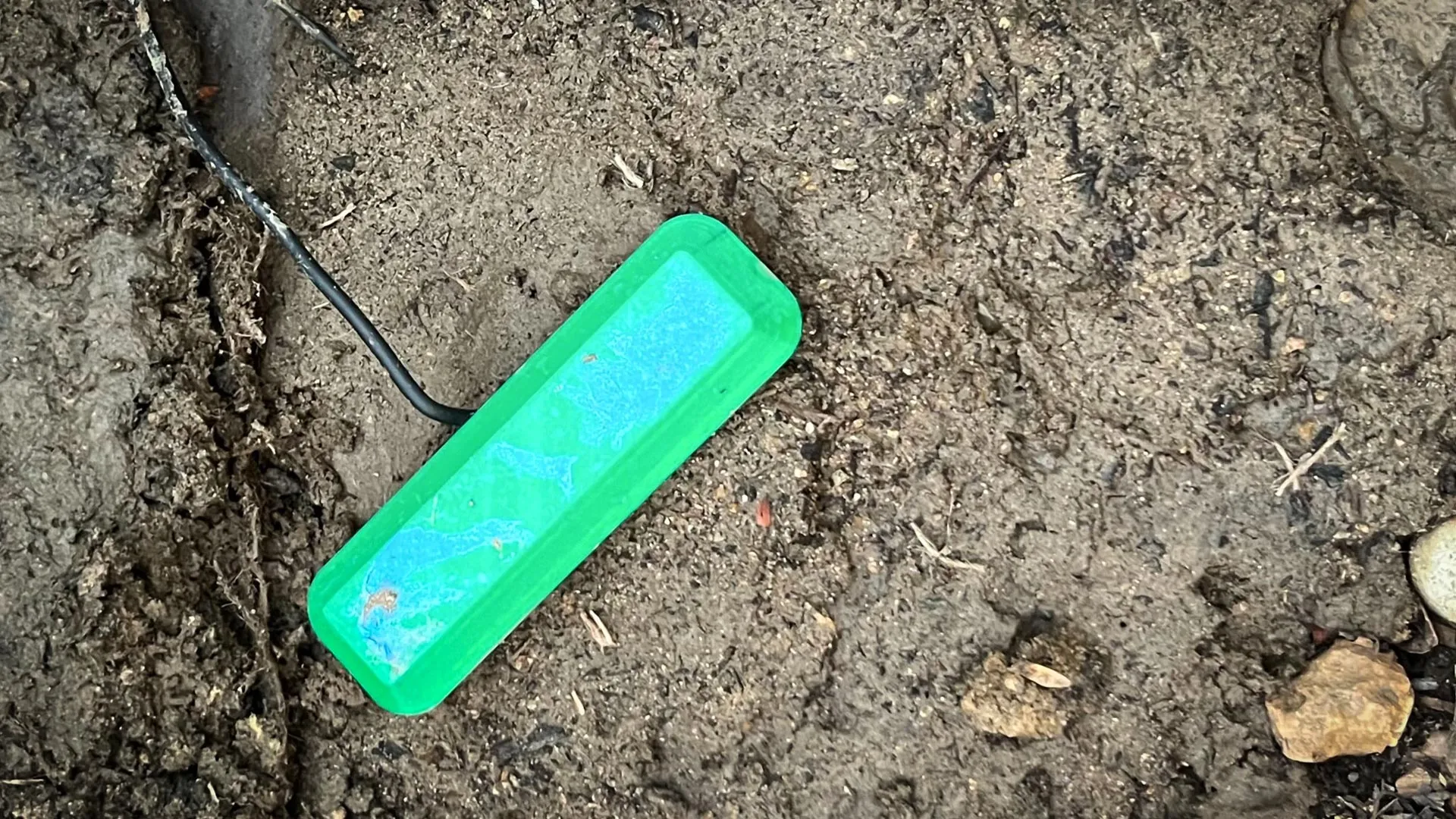
In the quiet corners of agricultural fields and remote environmental monitoring sites, a quiet revolution is brewing — one powered not by lithium or sunlight, but by the humble microbes living in dirt. Scientists have demonstrated a functional fuel cell that harnesses naturally occurring soil bacteria to generate electricity, offering a potential alternative to batteries for low-power underground sensors. This innovation, rooted in microbial electrochemical systems, could transform how we monitor soil health, water quality and subterranean infrastructure without the need for frequent maintenance or external power sources.
The concept, whereas not entirely recent, has seen meaningful progress in recent years through research into microbial fuel cells (MFCs). These devices exploit the metabolic activity of microorganisms — particularly exoelectrogenic bacteria such as Geobacter and Shewanella species — which can transfer electrons outside their cells during respiration. When placed in an anaerobic environment like soil, these microbes consume organic matter and release electrons that can be captured by an electrode, producing a small but steady electrical current. Unlike solar panels, which require light, or batteries, which deplete and need replacement, this system draws energy from the continuous breakdown of natural organic compounds in the earth.
Recent laboratory experiments have shown that such soil-based MFCs can generate sufficient power to operate low-energy sensors used in precision agriculture and environmental monitoring. According to a 2023 study published in Environmental Science & Technology, researchers at the University of California, Berkeley, demonstrated a prototype capable of producing up to 0.8 milliwatts per square meter — enough to intermittently power a soil moisture sensor transmitting data every few minutes. The system remained functional across varying moisture levels, from arid to saturated conditions, suggesting robustness in real-world applications.
What distinguishes this approach from earlier attempts is the integration of the fuel cell directly into the sensor’s housing, allowing it to be buried and left undisturbed for extended periods. Field tests conducted by a collaborative team from the University of Illinois and the U.S. Department of Agriculture’s Agricultural Research Service (ARS) showed that the device maintained stable voltage output for over six months in a cornfield in Iowa, outperforming comparable enzymatic bio-batteries in longevity. The researchers noted that performance was most stable in soils rich in organic carbon, such as those found in no-till farming systems.
“We’re not trying to power tractors or irrigation pumps,” explained Dr. Aditi Sen, a bioengineer at UC Berkeley who led the 2023 study. “But for sensors that only need to wake up, take a reading, and send a burst of data — like checking nitrate levels or detecting pipe leaks — this could be ideal. It’s about matching the power source to the need.” Her team’s findings were supported by data showing consistent operation across seasonal temperature shifts, with only a 15% drop in output during winter months.
The implications extend beyond agriculture. Environmental agencies are increasingly deploying sensor networks to monitor groundwater contamination, wetland health, and carbon fluxes in permafrost regions. In these contexts, replacing batteries reduces both cost and ecological disruption. A single lithium battery in a remote sensor can cost over $50 to replace when factoring in labor and access, not to mention the environmental burden of mining and disposal. By contrast, a soil-powered system uses materials that are largely biodegradable and poses minimal risk if left in place.
Still, challenges remain. Power output is inherently low — typically in the microwatt to milliwatt range — limiting use to ultra-low-power electronics. Researchers are exploring ways to enhance efficiency through nanostructured electrodes and selective microbial consortia. A 2024 pilot project at the Lawrence Berkeley National Laboratory tested graphene-modified anodes, achieving a 40% increase in electron transfer efficiency compared to standard carbon cloth. Meanwhile, scientists at Wageningen University in the Netherlands are investigating whether pre-inoculating soil with specific bacterial strains can improve consistency across different soil types.
Regulatory pathways for such devices are still evolving. While no specific federal regulations currently govern microbial fuel cells in environmental monitoring, the U.S. Environmental Protection Agency (EPA) has expressed interest in low-impact sensing technologies under its Smart Sectors program. In Europe, the European Union’s Horizon Europe fund has supported related research through its “Bio-Based Systems for Environmental Monitoring” initiative, though no commercial deployments have yet been approved under existing waste or electrical safety directives.
Experts caution against overestimating near-term scalability. “This isn’t a drop-in replacement for AA batteries in your flashlight,” said Dr. Luis Rodriguez, a microbial ecologist at ARS who collaborates on field trials. “But for niche applications where maintenance is expensive or impossible — think deep soil probes, leak detection in buried pipelines, or long-term ecological observatories — it offers a compelling path forward.” He emphasized that widespread adoption would depend on demonstrating reliability across diverse geologies and integrating the technology with wireless communication protocols like LoRaWAN or NB-IoT.
For now, the technology remains in the pilot and prototyping phase. No major agricultural technology firms have announced plans to incorporate soil-powered sensors into commercial product lines, though several startups in the agtech and cleantech space are exploring partnerships with university labs. The Berkeley team has filed a provisional patent on their electrode design and is seeking funding for a multi-site field trial across California’s Central Valley later this year.
As the demand for sustainable, low-maintenance monitoring grows alongside climate-smart agriculture and resilient infrastructure goals, innovations like the dirt-powered fuel cell remind us that some of the most promising solutions may already be living beneath our feet. By turning to the quiet metabolism of soil microbes, engineers are not just building better sensors — they’re reimagining what it means to harvest energy from the world around us.
For updates on pilot programs and research findings, interested readers can follow the latest publications from the U.S. Department of Agriculture’s Agricultural Research Service or the University of California, Berkeley’s College of Engineering. These institutions regularly share progress reports and field trial data through their respective news channels and open-access repositories.
Have you seen similar technologies in use, or do you have ideas for where microbial power could be useful? Share your thoughts in the comments below — we’d love to hear from farmers, engineers, and environmental monitors working in the field. If you found this article informative, consider sharing it with colleagues who are exploring sustainable tech solutions.
Keep reading