
For millions of individuals worldwide, the conclusion of an acute COVID-19 infection does not signal the end of their struggle with the virus. Instead, many find themselves navigating a disorienting new reality characterized by “brain fog,” memory lapses, and profound shifts in emotional stability. Recent scientific inquiries are beginning to peel back the layers of this phenomenon, suggesting that the neurological toll of the pandemic may be driven not by the lingering presence of the virus itself, but by a profound and persistent dysregulation of the human immune system.
This shift in scientific understanding is crucial. For much of the post-pandemic era, the leading hypothesis for “Long COVID”—clinically known as Post-Acute Sequelae of SARS-CoV-2 (PASC)—focused on viral persistence, the idea that tiny reservoirs of the virus remain hidden in various tissues. However, emerging research is pivoting toward a more complex biological culprit: an immune system that has lost its ability to return to equilibrium, inadvertently targeting the central nervous system and altering the particularly “compass” of human emotion and cognition.
As we delve deeper into the mechanics of neuroinflammation and immune-mediated damage, the medical community is facing a paradigm shift. Understanding whether the brain is reacting to a ghost of the virus or an overzealous immune response is the key to developing effective treatments for a condition that continues to impact global productivity, mental health, and quality of life.
The Neurological Toll: More Than Just “Brain Fog”
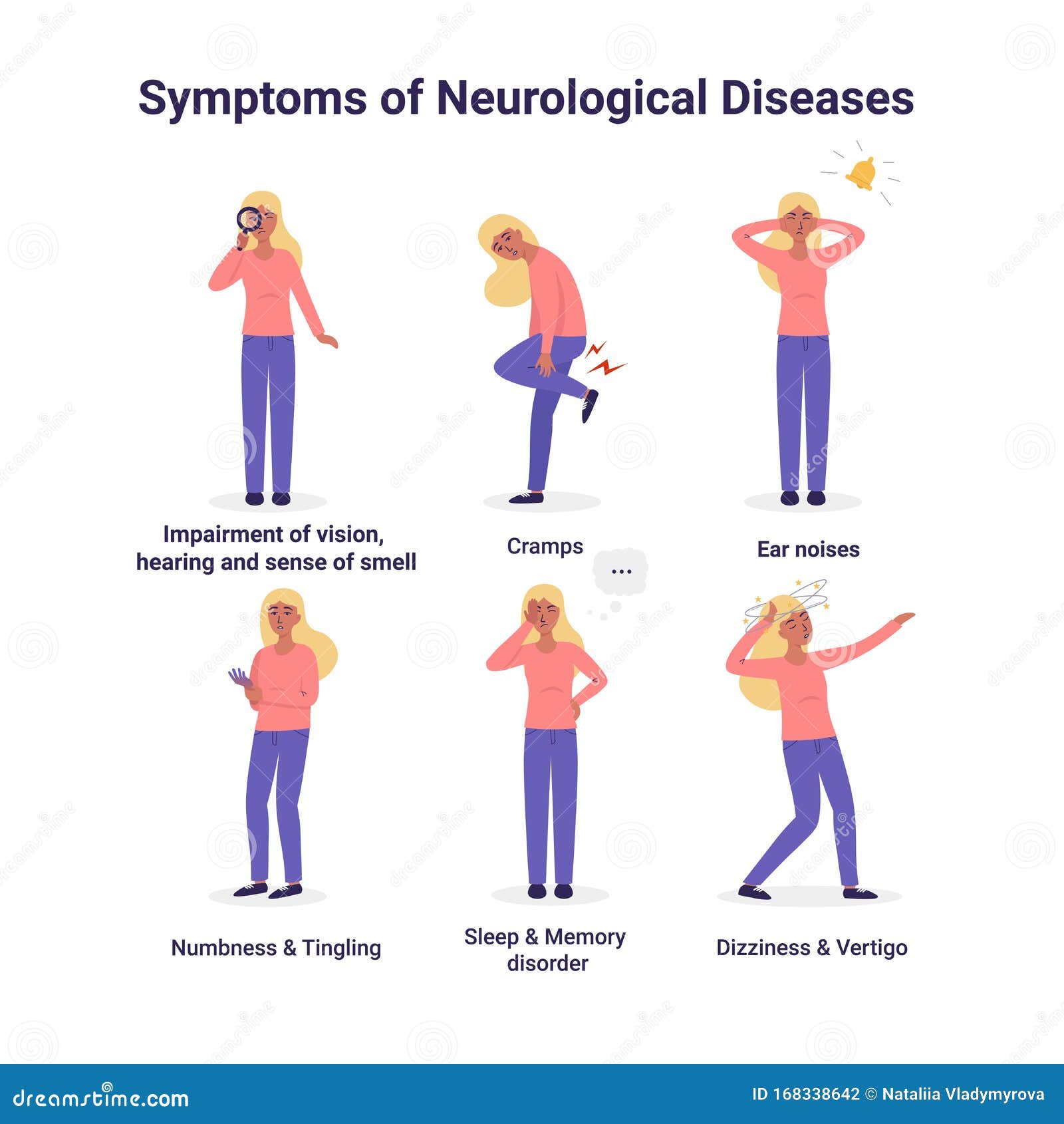
When patients discuss the neurological impact of Long COVID, the term “brain fog” is frequently used. While descriptive, it often fails to capture the clinical severity of the symptoms. Medical professionals are observing a spectrum of cognitive and neuropsychiatric impairments that can be debilitating. These include significant deficits in executive function—the ability to plan, focus, and multitask—as well as profound memory impairment and difficulty with word retrieval.
Perhaps more unsettling is the impact on emotional regulation. Patients have reported sudden shifts in personality, increased anxiety, depressive episodes, and an inability to manage stress that was previously manageable. This “recalibration” of the emotional compass suggests that the virus, or the body’s reaction to it, is affecting the limbic system and other critical structures within the brain responsible for mood and emotional processing.
The scale of this issue is immense. According to data analyzed by the Centers for Disease Control and Prevention (CDC), a significant percentage of individuals who contracted COVID-19 report lingering symptoms that interfere with daily activities, with neurological and cognitive issues being among the most persistent and life-altering.
A Scientific Paradigm Shift: Moving Beyond Viral Persistence
For a long time, the “most famous theory” regarding Long COVID was the Persistence Theory. This theory posits that the SARS-CoV-2 virus remains in the body in “reservoirs”—such as the gut or nervous system—triggering a continuous, low-grade inflammatory response. While research into viral reservoirs is ongoing and remains a valid area of study, it is no longer viewed as the sole or even primary explanation for neurological symptoms.

Recent studies are increasingly pointing toward immune dysregulation as the primary driver of PASC. In this model, the initial infection triggers an immune cascade that does not properly shut down once the virus is cleared. This results in a state of chronic, systemic inflammation. The body’s defense mechanisms, intended to protect, essentially become a source of ongoing damage, particularly to sensitive tissues like the blood-brain barrier and neural networks.
This distinction is vital for clinical intervention. If the symptoms were caused purely by a persistent virus, the solution would be long-term antiviral therapy. However, if the symptoms are caused by an overactive immune system, the treatment must focus on immunomodulation—learning how to “calm” the immune response without leaving the patient vulnerable to other infections.
The Biological Mechanism: How the Immune System Targets the Brain
How does a systemic immune response translate into cognitive and emotional changes? The answer lies in the complex relationship between the peripheral immune system and the central nervous system (CNS). One of the most significant areas of current research involves the role of microglia.
Microglia are the resident immune cells of the brain. In a healthy state, they act as scavengers, clearing out debris and supporting neuronal health. However, following a severe inflammatory event like a COVID-19 infection, these cells can enter a state of chronic activation. Instead of performing their protective roles, “primed” microglia can release pro-inflammatory cytokines—signaling molecules that promote inflammation—directly into the brain environment.
This state of neuroinflammation can lead to several damaging outcomes:
- Blood-Brain Barrier (BBB) Disruption: Chronic inflammation can weaken the tight junctions of the BBB, allowing systemic inflammatory markers and even immune cells to leak into the brain, further exacerbating the damage.
- Synaptic Interference: Excessive cytokine activity can interfere with how neurons communicate across synapses, directly contributing to the “fog” and memory issues reported by patients.
- Limbic System Sensitivity: Inflammation in areas like the amygdala can alter emotional processing, leading to the heightened anxiety and mood instability observed in clinical settings.
Research published in high-impact journals such as Nature has highlighted how these cellular mechanisms can persist long after the initial viral load has dropped to undetectable levels, explaining why symptoms can last for months or even years.
Clinical Implications: The Race for Targeted Therapies
The realization that Long COVID may be an immunological rather than a purely virological disorder is fundamentally changing the landscape of clinical trials. The medical community is moving away from a “one size fits all” approach and toward a more nuanced understanding of patient phenotypes.
Current research pathways are focusing on several key therapeutic areas:
- Immunomodulators: Investigating drugs that can dampen the overactive immune response without causing total immunosuppression. This includes studies on monoclonal antibodies and small-molecule inhibitors.
- Anti-inflammatory Protocols: Exploring the efficacy of specific anti-inflammatory diets, lifestyle interventions, and pharmaceutical agents to reduce systemic cytokine levels.
- Microglial Stabilizers: Developing therapies specifically designed to “reset” microglia from their activated, pro-inflammatory state back to their neuroprotective state.
The challenge remains the precision of these treatments. Because the immune system is so complex, a drug that calms inflammation in one patient might be ineffective in another whose symptoms are driven by a different immunological pathway, such as autoantibody production (where the immune system mistakenly attacks the body’s own tissues).
The Global Impact: A Growing Public Health Crisis
The implications of Long COVID extend far beyond individual health. The economic and societal costs of a large segment of the global workforce suffering from cognitive impairment are staggering. Reduced productivity, increased disability claims, and the immense pressure on healthcare systems to manage chronic, complex cases represent a significant long-term challenge for policymakers.
the psychological impact cannot be overstated. The “invisibility” of Long COVID—the fact that many patients appear healthy on standard scans while struggling with profound internal dysfunction—often leads to medical gaslighting and social isolation. Addressing the neurological component of Long COVID is not just a medical necessity; it is a social and psychological imperative.
Key Takeaways: Understanding Long COVID Neurology
| Concept | Traditional View | Emerging Scientific View |
|---|---|---|
| Primary Driver | Persistent viral infection (Viral Persistence) | Immune system dysregulation and neuroinflammation |
| Neurological Cause | Direct viral damage to brain cells | Chronic activation of microglia and cytokine release |
| Primary Treatment Goal | Eradicating remaining virus (Antivirals) | Modulating the immune response (Immunomodulators) |
| Symptom Focus | Respiratory and systemic infection | Cognitive, emotional, and neurological stability |
Frequently Asked Questions
Is Long COVID a permanent brain injury?
While some neurological changes can be significant, the concept of “neuroplasticity” offers hope. Many researchers believe that by addressing the underlying inflammation, the brain may be able to recover many of its functions. However, the extent of recovery varies greatly between individuals.
Why do my emotions feel so unstable after COVID?
Neuroinflammation can affect the parts of the brain that regulate mood, such as the amygdala and the prefrontal cortex. When these areas are under inflammatory stress, your ability to regulate emotional responses can be temporarily compromised.
Can standard tests detect Long COVID neurological issues?
Currently, standard MRI or CT scans often appear “normal” in Long COVID patients. Here’s because these scans are designed to detect structural damage (like tumors or strokes), whereas Long COVID often involves functional and cellular-level changes that require more specialized neuroimaging or biomarker testing to identify.
As research continues to evolve, the medical community is closely monitoring large-scale clinical trials aimed at validating these immunological theories. The next major milestone will be the publication of long-term data from multi-center studies focusing on immunomodulatory therapies, which will provide the definitive roadmap for patient care.
Dr. Helena Fischer will continue to monitor updates from the World Health Organization (WHO) and leading neurological research institutes regarding new treatment protocols.
What are your experiences with the neurological effects of COVID-19? We invite you to share your thoughts and join the conversation in the comments below. Please share this article to help raise awareness about the complexities of Long COVID.
Worth a look
- Hair Loss Care Guide: Expert Solutions from Seoul National University Specialists
- CVS Chief Medical Officer on Rebuilding Vaccine Trust After COVID-19
- What’s New in Google Play Services: Latest System Release Notes (newsdirectory3.com)
- Iranian-Linked Hackers Target Water Systems Across Seven US States (archyworldys.com)