Calcium and Vitamin D Supplements Offer Little Protection Against Fractures, Large Review Finds
A large-scale review involving nearly 154,000 participants indicates that taking calcium and vitamin D supplements provides little to no significant protection against falls or bone fractures for most older adults. While these nutrients are essential for biological function, the study suggests that routine supplementation does not necessarily translate to a lower risk of skeletal injury in the general aging population.
For decades, healthcare providers and the supplement industry have promoted calcium and vitamin D as a primary defense against osteoporosis and bone fragility. However, the findings from this massive data analysis challenge the efficacy of using pills to prevent the types of injuries that often lead to loss of independence in seniors.
The review analyzed data from a vast cohort of individuals to determine if supplementation actually changed clinical outcomes, such as the frequency of broken bones or the incidence of falls. The results showed that for the majority of community-dwelling older adults, the addition of these supplements did not result in a meaningful reduction in fracture rates.
The Gap Between Nutrient Intake and Fracture Prevention
Medical researchers have long distinguished between nutritional sufficiency and the preventative power of supplements. While calcium is a fundamental building block of bone tissue and vitamin D is required for the body to absorb that calcium, simply increasing the dosage through pills does not automatically strengthen the skeletal structure in healthy individuals.
According to the Cochrane Library, which conducts high-standard systematic reviews, evidence regarding the benefit of calcium supplementation for preventing fractures in older people remains inconsistent. Many large-scale trials have failed to show a statistically significant difference between those taking supplements and those receiving adequate nutrients through their regular diet.
One reason for this discrepancy may involve the “ceiling effect.” If an individual already consumes enough calcium through dairy, leafy greens, or fortified foods, adding more via a supplement provides no additional physiological advantage. Instead, the body may simply excrete the excess, or in some cases, the surplus calcium may pose other health risks, such as kidney stones or cardiovascular issues.
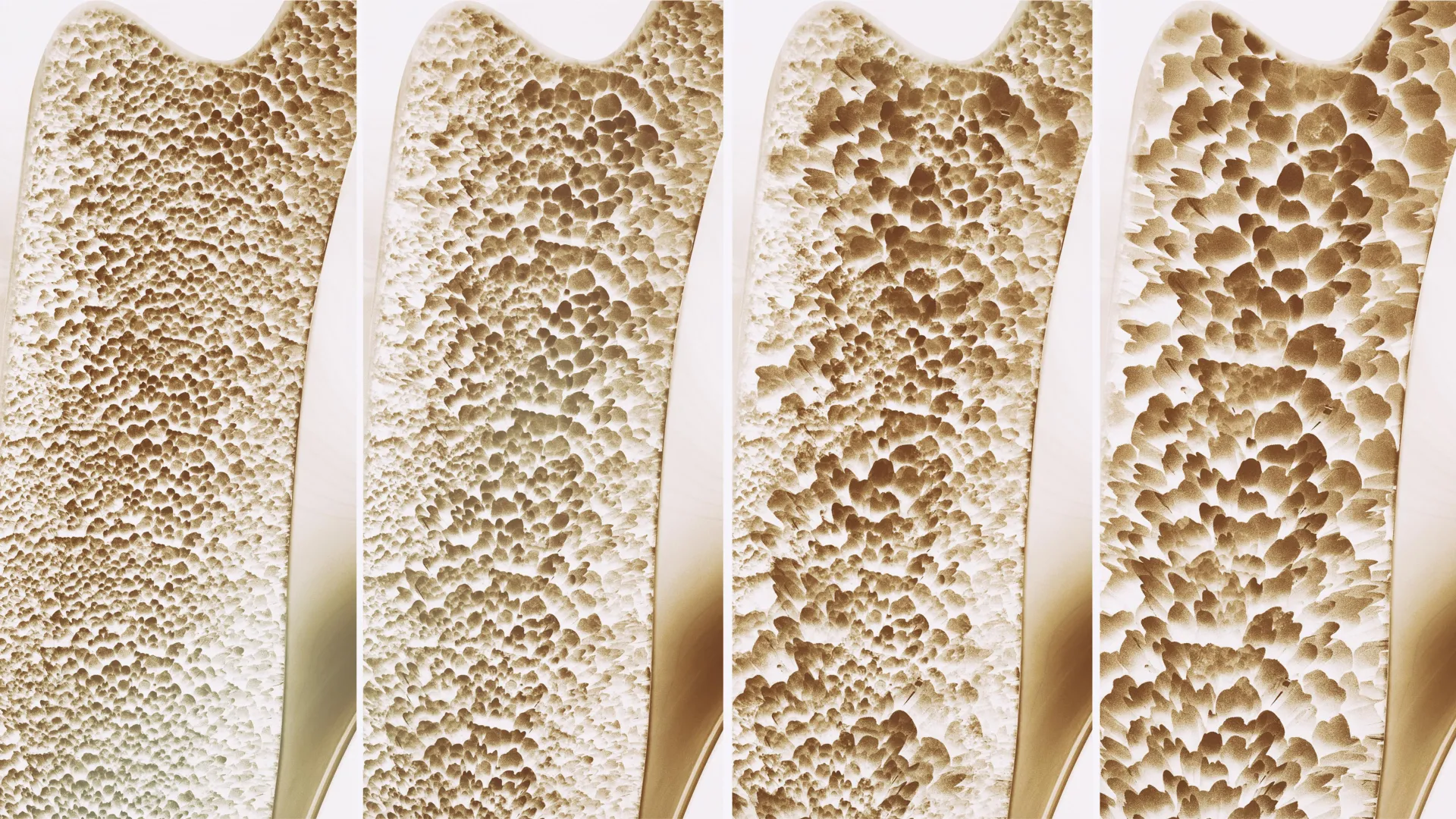
The biological process of bone remodeling is also complex. Bone density is not maintained solely by the presence of calcium; it requires a delicate balance between osteoblasts, which build bone, and osteoclasts, which break it down. Factors like hormonal changes, physical activity, and metabolic health play roles that supplements alone cannot address.
Who Should Still Consider Supplementation?
The lack of benefit for the general population does not mean that supplements are entirely without purpose. Medical professionals emphasize that supplementation should be a targeted intervention rather than a universal recommendation for all seniors.
Clinical guidelines suggest that specific high-risk groups may still benefit from medically supervised supplementation, including:
- Individuals with a laboratory-confirmed vitamin D deficiency.
- Patients diagnosed with osteoporosis or osteopenia.
- People with malabsorption issues, such as those who have undergone gastric bypass surgery.
- Individuals with specific medical conditions that limit dietary calcium intake.
The U.S. Preventive Services Task Force (USPSTF) has noted that while there is insufficient evidence to recommend calcium supplementation for the prevention of fractures in most community-dwelling, non-institutionalized postmenopausal women, it remains a tool for managing specific deficiencies. Doctors generally advise that patients should obtain their calcium from food sources first, using supplements only to fill identified gaps.
Relying on supplements as a substitute for a balanced diet can lead to nutritional imbalances. For example, excessive calcium intake without sufficient vitamin K2 or magnesium may not support bone health as effectively as a nutrient-dense whole-food diet.
Proven Strategies for Strengthening Bone Density
If pills are not a guaranteed shield against fractures, experts suggest focusing on multi-faceted approaches to skeletal health. Strengthening bones requires a combination of mechanical stress, nutritional balance, and environmental safety.
Weight-Bearing and Resistance Exercise
Physical activity remains one of the most effective ways to stimulate bone growth. Weight-bearing exercises—such as walking, jogging, or dancing—force the body to work against gravity, which signals osteoblasts to build denser bone tissue. Resistance training, using weights or elastic bands, further improves muscle strength, which is critical for stabilizing joints and preventing the falls that lead to fractures.
Dietary Calcium and Vitamin D Sources
Nutrients consumed through food are often absorbed more efficiently and come packaged with other beneficial compounds. Effective dietary sources include:
- Calcium: Yogurt, cheese, milk, sardines (with bones), kale, broccoli, and fortified plant milks.
- Vitamin D: Fatty fish like salmon and mackerel, egg yolks, and limited amounts from sunlight exposure.
Fall Prevention and Home Safety
Because the review highlighted that supplements did little to prevent falls, environmental modifications are a vital component of geriatric care. Reducing trip hazards—such as loose rugs, poor lighting, or cluttered walkways—can significantly decrease the likelihood of an accidental fall. Physical therapy to improve balance and gait is also a highly recommended preventative measure for older adults.
Summary of Findings
| Factor | Impact of Supplements (General Population) | Recommended Approach |
|---|---|---|
| Fracture Risk | Little to no meaningful reduction | Focus on weight-bearing exercise |
| Fall Prevention | No significant effect found | Home safety and balance training |
| Nutrient Levels | Effective for correcting deficiencies | Prioritize calcium-rich whole foods |
| Bone Density | Minimal impact without medical need | Combine diet, exercise, and monitoring |
Medical professionals continue to monitor long-term outcomes of nutritional interventions. Future updates to clinical guidelines from the World Health Organization (WHO) or national health services may provide more granular advice on when supplementation is most effective.
Patients are encouraged to consult their primary care physician before starting or stopping any supplement regimen to ensure it aligns with their specific bone density needs and overall health profile.
Do you or a loved one rely on supplements for bone health? Share your experience in the comments below and share this article to help others make informed health decisions.
Related reading