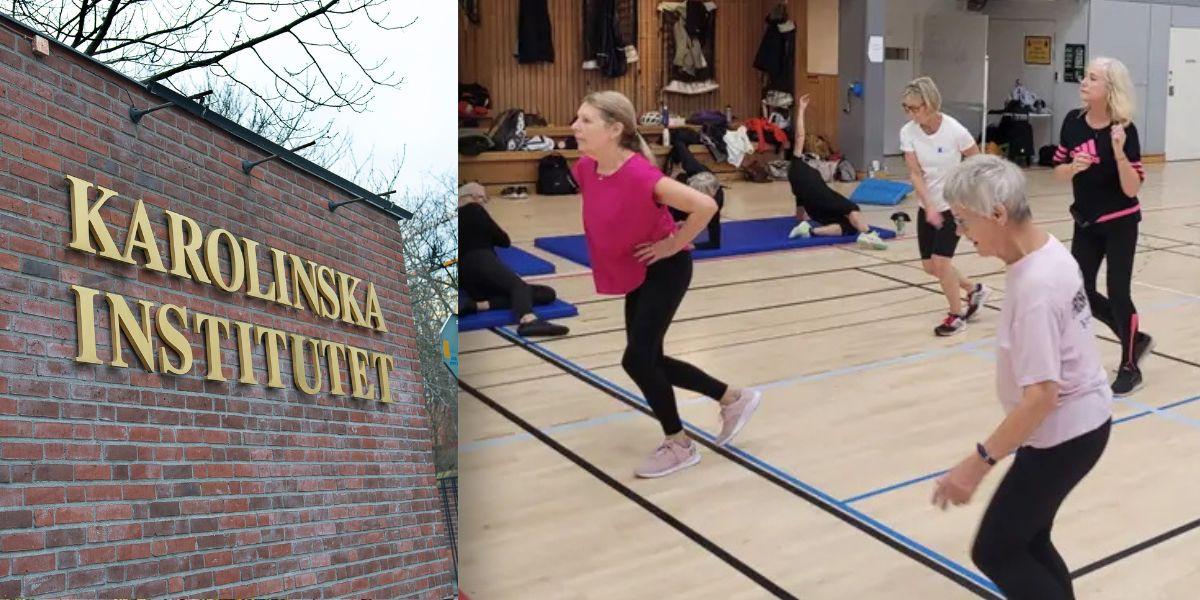
For many older adults, the belief that bone health is a fixed decline of aging has long been a deterrent to physical activity. However, new evidence suggests that the skeletal system remains responsive to intervention well into the senior years. A recent study from the Karolinska Institutet indicates that regular exercise can counteract osteoporosis and strengthen the skeleton in older women, proving that it is never too late to commence a training regimen.
The research, specifically the “Bonemore” study, focuses on women aged 67 to 75 who have been diagnosed with osteopenia or osteoporosis. By analyzing bone density, blood markers, and bone quality, researchers sought to determine if specific types of training provided superior results in maintaining or improving skeletal strength. The findings, published in Archives of Osteoporosis, suggest that the consistency and intensity of the load are more critical than the specific method of exercise chosen.
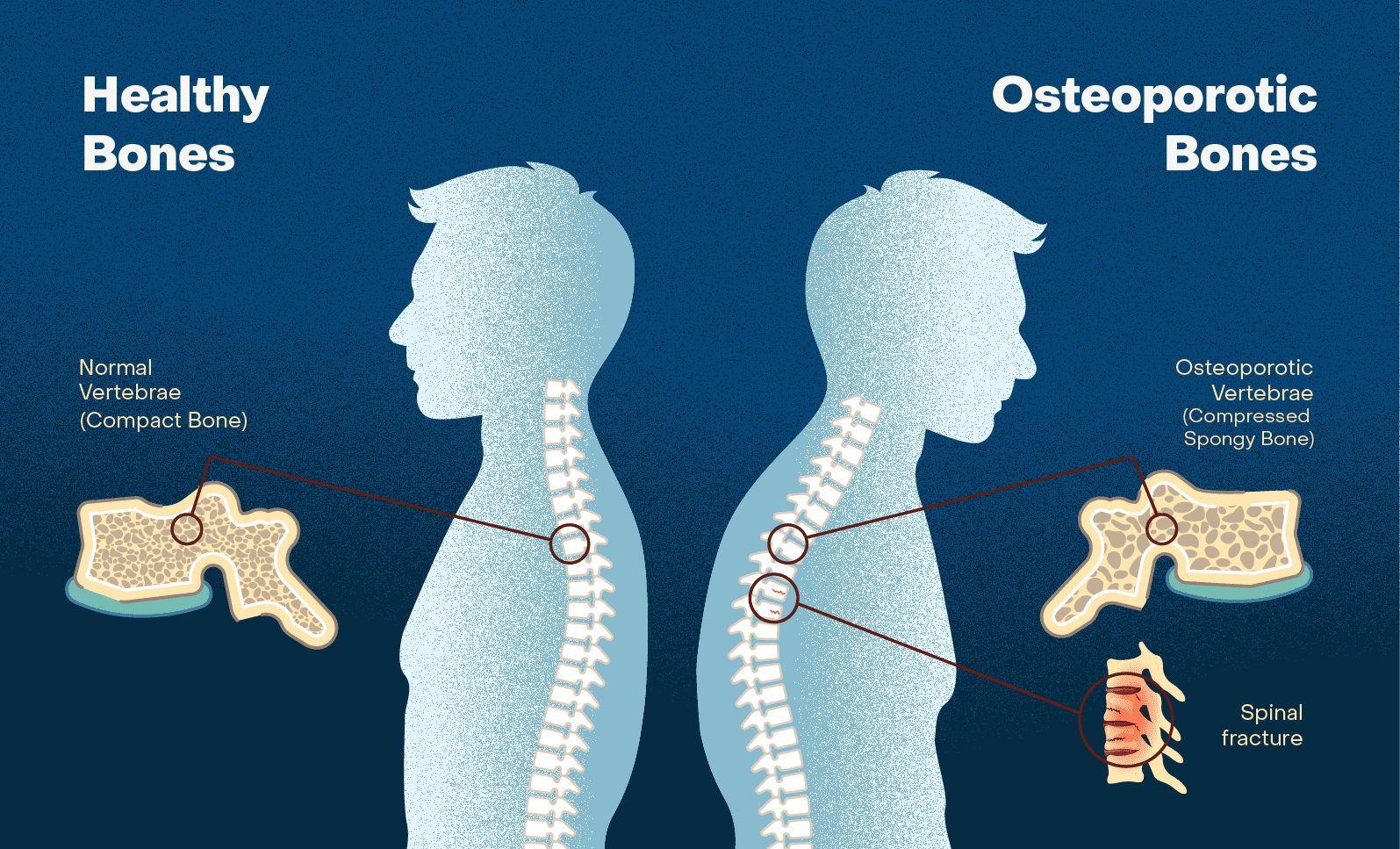
Osteoporosis, or benskörhet, is often a silent condition, frequently remaining undetected until a fracture occurs. According to specialist physician Helena Salminen, who led the Bonemore study at the Karolinska Institutet, statistically, every second Swedish woman over the age of 50 will experience a fracture due to osteoporosis. These often begin as wrist fractures, progressing to spinal compression fractures and, eventually, hip fractures in older age.
The clinical implications of this research are significant for public health, particularly as it addresses the “hidden” nature of the disease. Dr. Salminen notes a substantial underreporting of spinal compression fractures, with many patients mistaking these events for common lower back pain or “ryggskott.” The Bonemore study revealed that a surprising number of participants had existing spinal compression fractures without prior knowledge, highlighting the demand for proactive screening and preventative exercise.
Comparing Training Methods: Traditional Strength vs. High-Load Osteogenic Training
The Bonemore study involved 194 women and compared two distinct approaches to skeletal stimulation over a nine-month period. The goal was to see if a specialized, high-intensity method outperformed traditional exercise in improving bone material properties.
The first group engaged in traditional group and strength training. This program, conducted at the Gymnastik- och idrottshögskolan (GIH), consisted of a special design for seniors featuring circuit training with eight different stations. Participants trained twice a week for 60 minutes per session.
The second group utilized “osteogenic loading training” via OsteoStrong machines. This method involves a highly targeted form of loading using extremely high, controlled force in static positions. This regimen was significantly shorter in duration, requiring only 15 to 20 minutes of training per week.
When comparing the two, researchers found no statistically significant difference between the training forms in terms of overall skeletal strength maintenance. This suggests that there are multiple effective ways to stimulate bone growth and maintenance, provided the mechanical load is sufficiently high. Peter Lindberg, a doctoral student and specialist physiotherapist in pain, emphasized that the critical factor is achieving a high level of load to trigger the bone’s adaptive response.
Impact on Bone Quality and Material Properties
While the overall results were similar, the researchers did note a specific difference in how the skeleton reacted to the different stimuli. The group utilizing the short, high-load machine training (OsteoStrong) saw a 2.9 percent increase in a measure of bone quality, which refers to the material properties of the bone according to the study results. This indicates that while both methods are effective, very high-intensity static loading may offer a unique advantage in improving the structural integrity of the bone material itself.
Understanding the Risks and the “Silent” Nature of Bone Loss
The prevalence of osteoporosis in the aging population creates a significant burden on healthcare systems. In Sweden, approximately 70,000 osteoporosis-related fractures are officially detected each year, though experts believe the actual number is much higher due to the lack of symptoms associated with early bone loss.
Spinal compression is particularly problematic because it is often asymptomatic or presents as general stiffness. This leads to a situation where only one-third of those suffering from spinal compression due to osteoporosis are actually captured in medical statistics. When the spine is pressed together, it can lead to a loss of height and an increased risk of further fractures, creating a cycle of frailty.
The Bonemore study underscores the importance of shifting the narrative from “inevitable decline” to “manageable health.” By implementing regular, high-load exercise, older women can not only maintain their current bone density but potentially improve the quality of their skeletal structure, thereby reducing the risk of life-altering fractures.
Key Takeaways for Bone Health
- Consistency is Key: Regular training, regardless of the specific method, helps maintain skeletal strength in women aged 67–75.
- Load Matters: For exercise to effectively stimulate bone growth, the mechanical load must be high.
- Diverse Options: Both traditional circuit-based strength training and short, high-intensity static loading are viable options.
- Early Detection: Because spinal compression is often mistaken for common back pain, medical screening is vital for those over 50.
- Age is Not a Barrier: Research confirms that the skeleton can be strengthened even in late adulthood.
Practical Implications for Older Adults
For those looking to incorporate these findings into their lives, the primary takeaway is the necessity of “loading.” Walking alone may not provide the intensity required to significantly increase bone density in those already suffering from osteoporosis. Instead, resistance training—whether through weights, machines, or specialized osteogenic equipment—is required to create the stress necessary for bone remodeling.
Individuals should consult with healthcare providers to determine their current bone density and the safest form of loading for their specific condition. For those with existing spinal compression, a supervised program is essential to avoid further injury while still achieving the high-load thresholds identified in the Karolinska Institutet research.
The study’s results provide a hopeful outlook for aging populations globally. By demonstrating that the skeleton remains plastic and responsive to exercise in the seventh and eighth decades of life, the research encourages a more active approach to geriatric care and preventative medicine.
As medical science continues to refine the balance between load and safety, the goal remains the reduction of the thousands of fractures that occur annually. The transition from reactive treatment (treating a fracture after it happens) to proactive prevention (strengthening the bone before it breaks) is the core shift advocated by the Bonemore study.
For further updates on skeletal health and geriatric medical innovation, readers are encouraged to monitor publications from the Karolinska Institutet and the Archives of Osteoporosis. We welcome your thoughts and experiences with bone health programs in the comments below; please share this article to facilitate others understand that it is never too late to strengthen their health.