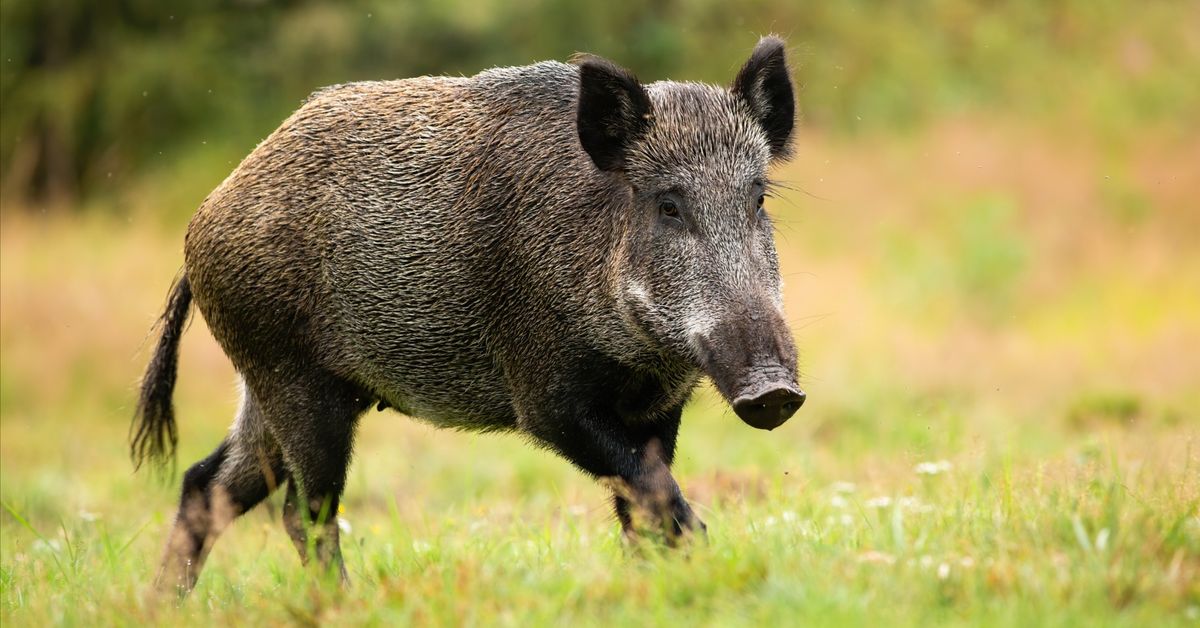
The global fight against African Swine Fever (ASF) has entered a complex new chapter following recent scientific findings that suggest a significant disparity in how the virus affects different porcine populations. New research indicates that wild boar populations may be more sensitive to the highly contagious African Swine Fever virus than their domestic counterparts. This distinction is more than a mere biological curiosity; it represents a fundamental shift in how epidemiologists and agricultural authorities must approach the containment and eradication of one of the most devastating diseases in the history of animal husbandry.
For years, the primary focus of biosecurity and disease management has been the protection of the domestic swine industry—a multi-billion dollar sector vital to global food security. However, as the virus continues to traverse borders, particularly across Europe and parts of Asia, the role of the wild boar as a primary epidemiological reservoir has become increasingly undeniable. If wild populations are indeed more susceptible to rapid infection and higher mortality rates, the traditional “fence-and-contain” strategy for domestic farms may be insufficient to stem the tide of periodic spillover events.
As we analyze these findings, it becomes clear that the intersection of wildlife management and agricultural policy is no longer a secondary concern. It is the front line. Understanding the nuances of how the Asfarviridae family of viruses interacts with different host environments is essential for developing a “One Health” approach—one that recognizes the inextricable link between animal health, wildlife ecology, and the stability of the global food supply chain.
The Biological Threat of African Swine Fever
To understand why the heightened sensitivity of wild boars is so alarming, one must first grasp the sheer virulence of African Swine Fever. ASF is caused by a large, complex, double-stranded DNA virus. Unlike many other porcine diseases, it is remarkably resilient. The virus can survive for extended periods in the environment, in carcasses, and even in processed meat products, making it an exceptionally difficult pathogen to eradicate once it has established a foothold in a region.
The symptoms in infected pigs are often sudden and severe, including high fever, loss of appetite, hemorrhaging of the skin, and rapid death. While the mortality rate can approach 100% in some outbreaks, the disease is notably non-zoonotic. According to the World Organisation for Animal Health (WOAH), African Swine Fever does not infect humans, which prevents it from becoming a direct human pandemic. However, its impact on the economy and food availability is nothing short of catastrophic.
The transmission pathways are multifaceted. Direct contact between infected and susceptible animals is the most common route, but the virus can also be spread through indirect means, such as contaminated feed, clothing, or equipment used by farmworkers. In certain ecological niches, soft ticks of the genus Ornithodoros can act as biological vectors, maintaining the virus in the environment even when host populations are low. This combination of high virulence and environmental persistence makes ASF a persistent threat to global agricultural stability.
Wild Boars as Epidemiological Reservoirs
The recent research highlighting the susceptibility of wild boars sheds new light on the “reservoir effect.” In epidemiology, a reservoir is a population in which an infectious agent can live and multiply without necessarily killing the host so quickly that the chain of infection is broken. However, in the case of ASF, the wild boar is not just a carrier; it is a highly susceptible host that can drive massive, uncontrolled outbreaks in the wild.

When wild boar populations experience high mortality due to ASF, it often leads to a phenomenon known as “spillover.” As wild animals die, their carcasses can contaminate soil, water sources, and vegetation. This environmental contamination creates a persistent “hot zone” that domestic farms, even those with high levels of biosecurity, must navigate. The proximity of wild habitats to agricultural lands creates a constant pressure of infection that is difficult to manage through traditional veterinary measures alone.
the movement of wild boar populations is driven by biological instincts—migration, searching for food, and mating—rather than human-controlled logistics. This makes the “containment” of the virus in the wild nearly impossible compared to the controlled environments of commercial pig farms. The heightened sensitivity of these wild animals means that when the virus enters a forest or woodland area, it can sweep through the population with terrifying speed, creating a vast, moving source of infection that follows the natural movement of the species.
Comparing Domestic and Wild Susceptibility
The core of the recent study lies in the comparison of immunological and physiological responses between domestic pigs (Sus scrofa domesticus) and wild boars (Sus scrofa). While both are members of the same species, their evolutionary paths and living environments have resulted in different biological profiles. Domestic pigs have been bred for centuries for specific traits—growth rate, meat quality, and often, a degree of resilience to common farm pathogens—within highly controlled environments.
In contrast, wild boars exist in a state of constant environmental stress, facing diverse pathogens, fluctuating food supplies, and varying climates. The study suggests that the immunological response of wild boars to the ASF virus may lead to higher viral loads or more rapid systemic failure compared to domestic pigs. This could mean that while a domestic pig might survive long enough to show clinical signs or even clear a low-level infection under certain biosecurity conditions, a wild boar may succumb more rapidly, facilitating a wider and more intense spread within the wild population.
This disparity has profound implications for disease modeling. Most historical models of ASF spread have focused heavily on the movement of domestic livestock and human-mediated transport. If the wild boar is more sensitive and acts as a more volatile driver of the disease, our models must be recalibrated to account for the “wildlife factor.” This includes understanding the seasonal movements of wild boars and how environmental factors, such as temperature and humidity, affect the survival of the virus in wild habitats.
The Economic Ripple Effect and Food Security
The economic consequences of ASF are not confined to the borders of the affected country. Because the global pork market is deeply interconnected, an outbreak in one major producing nation can trigger a cascade of price volatility, trade bans, and supply shortages worldwide. The Food and Agriculture Organization (FAO) of the United Nations has repeatedly warned that ASF poses a significant threat to the livelihoods of smallholder farmers and the food security of many developing nations.
When a country reports an ASF case, international trade protocols often mandate immediate and stringent restrictions on pork exports. This can lead to:
- Market Volatility: Sudden drops in demand for a specific country’s pork, leading to massive financial losses for producers.
- Supply Chain Disruptions: Shifts in global trade flows as importers seek alternative, “disease-free” sources, often driving up prices in other regions.
- Increased Production Costs: Farmers must invest heavily in enhanced biosecurity, specialized waste management, and stricter movement controls to prevent infection and maintain trade eligibility.
- Livelihood Loss: In many parts of the world, pig farming is a primary source of income for rural families. The loss of a herd to ASF can mean the loss of a family’s entire livelihood.
The heightened role of wild boars complicates this economic landscape. If the virus is endemic in wildlife, the “all-clear” for resuming international trade becomes much harder to achieve. Authorities cannot simply certify a domestic herd as clean if the surrounding wilderness remains an active, highly sensitive reservoir for the virus.
Mitigation, Management, and the Search for a Vaccine
Given the challenges posed by the wild boar-domestic pig interface, management strategies must be dual-pronged. For the domestic sector, the emphasis must remain on uncompromising biosecurity. This includes strict control over feed ingredients, visitor access, and the prevention of any contact between domestic pigs and wildlife. Many modern facilities are now implementing “closed-loop” systems to further minimize the risk of environmental contamination.
For the wildlife sector, the options are more controversial and difficult to implement. Traditional methods, such as population control through culling, are often used to reduce the density of wild boar populations and thus slow the rate of transmission. However, the effectiveness of culling is a subject of intense debate among ecologists and veterinarians, as it can sometimes lead to increased movement of the remaining animals, potentially spreading the virus further.

The “holy grail” of ASF management remains the development of an effective vaccine. While several candidates are currently in various stages of research and clinical trials, the complexity of the ASF virus makes vaccine development an immense scientific challenge. A successful vaccine would need to be effective in both domestic and wild populations to truly break the cycle of transmission. Until such a vaccine is available, the global community must rely on rigorous surveillance, rapid response protocols, and a deep understanding of the ecological dynamics at play.
Key Takeaways: The ASF Challenge
- Wild Boar Sensitivity: Recent research suggests wild boars may be more susceptible to ASF than domestic pigs, making them a more volatile driver of outbreaks.
- The Reservoir Effect: Wild populations act as a permanent source of infection that is difficult to control through standard agricultural biosecurity.
- Economic Impact: ASF threatens global food security and causes massive economic disruption through trade bans and market volatility.
- Non-Zoonotic: While devastating to animals, ASF does not infect humans.
- Management Complexity: Effective control requires a “One Health” approach, combining agricultural biosecurity with wildlife management.
Frequently Asked Questions
Is African Swine Fever (ASF) a threat to human health?
No. ASF is a highly contagious disease that specifically affects pigs. It is not a zoonotic disease, meaning it cannot be transmitted to humans.
How does the virus spread from wild boars to domestic pigs?
Transmission can occur through direct contact, contact with contaminated environments (soil, water, or vegetation), or through indirect routes like contaminated feed, equipment, or even the movement of people and vehicles that have been in contact with wild areas.
Why is it so hard to get rid of ASF once it enters a country?
The virus is extremely hardy and can survive for long periods in the environment and in carcasses. The presence of wild boar reservoirs makes it nearly impossible to ensure the virus has been completely eliminated from the landscape.
Can vaccinated pigs prevent the spread to wild boars?
Currently, there is no widely available, commercially approved vaccine for ASF. If a vaccine is developed, its efficacy in wild populations will be a critical factor in determining its success in controlling the disease globally.
The next critical checkpoint in the management of ASF will be the upcoming reports from the World Organisation for Animal Health regarding the latest surveillance data from European wildlife monitoring programs. These updates will be vital in determining whether current wildlife management strategies are effectively mitigating the risk of spillover into domestic herds.
What are your thoughts on the balance between wildlife management and agricultural protection? Do you believe the current biosecurity measures are enough? Share your insights in the comments below and share this article to spread awareness about this critical global health issue.
Related reading