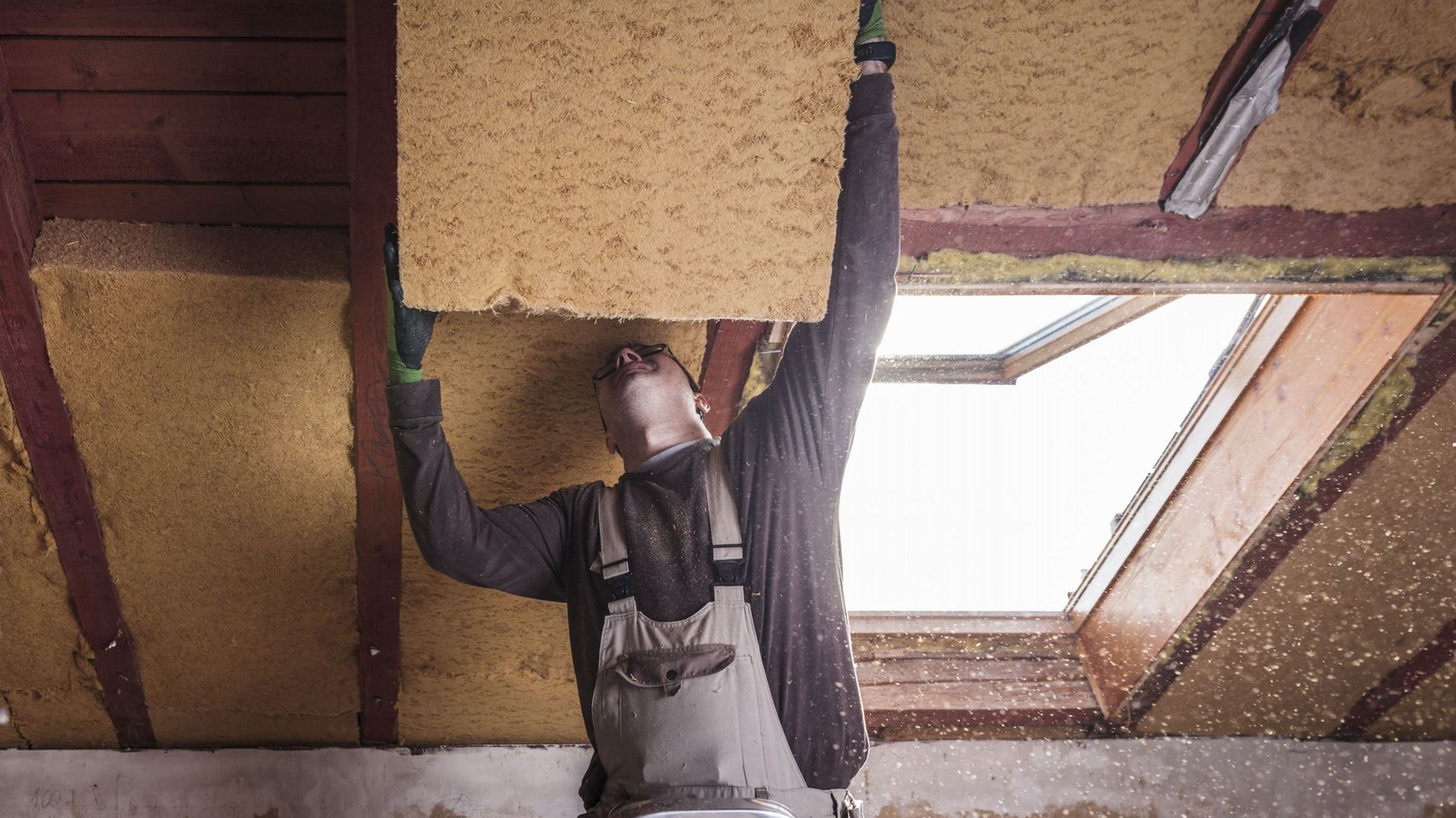
The Walloon government is implementing a major overhaul of its residential energy renovation support system, shifting the focus of financial aid toward the most inefficient housing stock, often referred to as “energy sieves” (passoires énergétiques). Aimed at simplifying access to subsidies and ensuring long-term fiscal sustainability, the new framework seeks to accelerate the transition toward a more carbon-neutral building sector in the region, according to statements from the Walloon Ministry of Energy and Climate.
This policy adjustment follows ongoing concerns regarding the complexity of previous support schemes and the need to prioritize homeowners living in properties with the lowest energy performance certificates (EPCs). By concentrating resources on these specific dwellings, authorities intend to maximize the environmental and economic impact of each euro spent on renovation incentives.
Refocusing Incentives on High-Consumption Housing
The core objective of the revised strategy is to target homes with poor insulation and high fossil fuel dependency. In Wallonia, residential buildings account for a significant portion of regional greenhouse gas emissions, and many older homes remain trapped in low-efficiency categories. The new regime, as outlined by the Walloon Public Service (SPW) Energy department, is designed to be more legible for citizens while ensuring that the most urgent renovation needs—such as roof insulation, high-performance glazing, and heating system upgrades—are addressed first.
By prioritizing these “energy sieves,” the administration aims to lower utility bills for low-to-middle-income households, which are often the most vulnerable to energy price volatility. This shift is part of a broader commitment to the European Union’s Energy Performance of Buildings Directive, which mandates improvements to the energy efficiency of the existing building stock across member states, as reported by the European Commission.
Simplification and Financial Sustainability
Previous iterations of renovation grants in Wallonia were frequently criticized for their bureaucratic hurdles and overlapping programs. The new system is intended to consolidate these pathways into a more streamlined process. According to the Walloon Government portal, the goal is to provide a “simple, readable, efficient, and financially sustainable” model that avoids the fragmentation seen in earlier schemes.

Financial sustainability remains a primary driver for this reform. As the region balances its budgetary constraints with the high cost of climate transition, the government has moved to standardize the calculation of premiums. This standardization is intended to reduce administrative costs for both the applicant and the state, ensuring that funding remains available for a larger number of households over the coming years.
Impact on Homeowners and the Market
For the average homeowner, the changes imply a more direct correlation between the energy rating of a property and the level of assistance available. Those who own homes with the lowest EPC ratings (typically labels F or G) will likely find themselves at the front of the queue for financial assistance. This targeted approach is expected to influence the regional real estate market, as energy performance becomes an increasingly important factor in property valuations.
Real estate experts and consumer organizations have noted that clear, long-term subsidy rules are essential for encouraging homeowners to commit to deep renovations. The Test-Achats/Test-Aankoop consumer organization has frequently highlighted that uncertainty regarding future subsidies often acts as a deterrent for homeowners planning major works. By providing a more stable and predictable framework, the Walloon government hopes to foster greater confidence among private owners and the construction sector alike.
Next Steps in the Renovation Strategy
The transition to this new regime is part of a multi-year plan to meet the region’s climate objectives for 2030 and beyond. The government is expected to release further technical documentation and updated application forms through the official energy portal in the coming months. Homeowners are advised to monitor these official channels for the specific dates when new grant applications will open under the revised guidelines.

As the policy enters its implementation phase, the Walloon administration will likely face the challenge of managing the volume of requests while maintaining the quality of renovations. Interested parties should consult with authorized energy auditors to determine their property’s current standing and to prepare for the upcoming changes. We will continue to track updates to this program as they are announced by the regional authorities.
Have you navigated the Walloon renovation grant process recently? Share your experiences or questions in the comments section below.