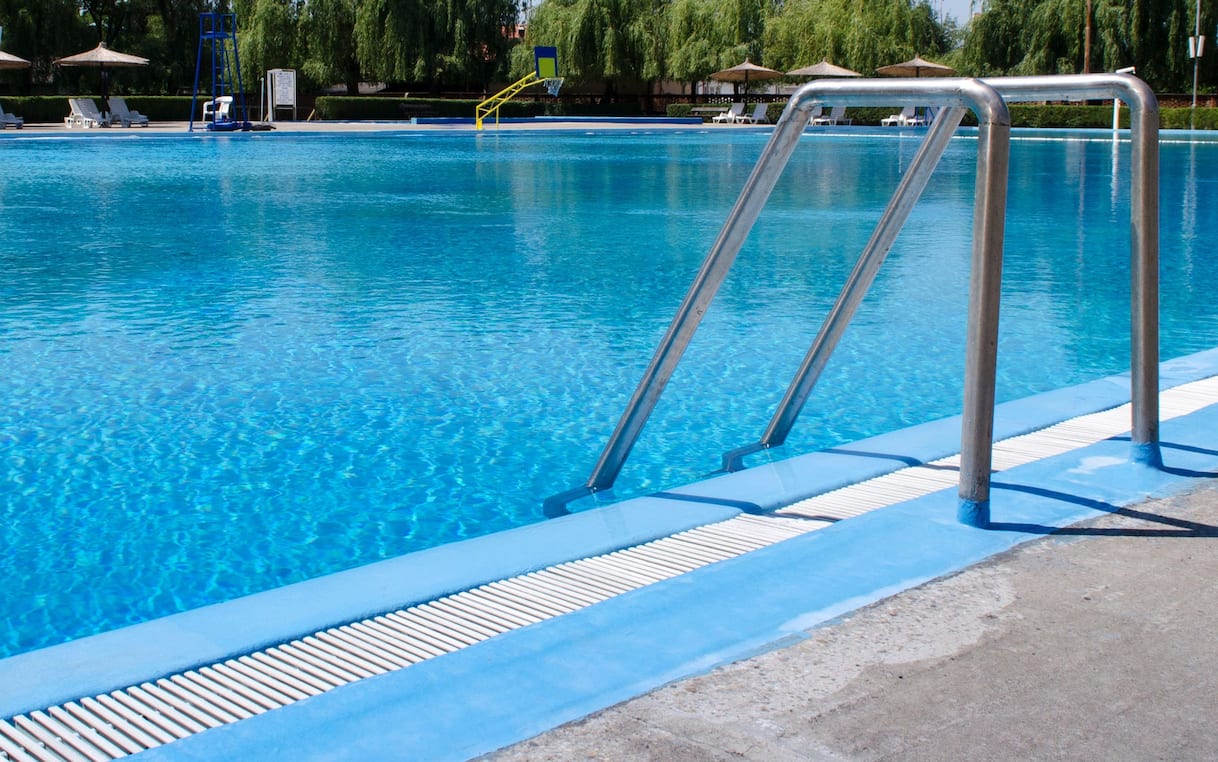
The Italian Chamber of Deputies has passed a bipartisan measure to tighten safety regulations for swimming pools, specifically targeting the elimination of dangerous suction outlets and non-compliant grates. The new legislation mandates the immediate closure of facilities that fail to meet updated safety standards to prevent suction-related entrapment and drowning accidents.
This legislative push follows a series of tragic incidents involving “bocchettoni”—the suction inlets used for filtration—which can create powerful vacuums that trap swimmers against the pool wall. According to reports from Sky TG24 and Il Fatto Quotidiano, the measure focuses on removing outdated equipment and ensuring all filtration systems utilize safety-certified grates that prevent vacuum-induced entrapment.
The bill received broad support across political lines in the Camera (Chamber of Deputies), signaling a consensus on the urgency of updating public and private pool safety codes. The primary objective is to standardize the technical specifications of suction systems across the country, moving away from legacy installations that do not meet current European or national safety norms.
Mandatory Compliance for Suction Outlets and Grates
The core of the new safety crackdown focuses on the technical failure of suction inlets. Under the new rules, any pool found with “bocchettoni fuori norma”—outlets that do not comply with safety standards—must be shut down until the equipment is replaced or upgraded. This is designed to eliminate the risk of “entrapment,” where a swimmer’s limb or hair becomes stuck in a high-pressure suction point.
According to Corriere Roma, the law specifically targets the installation of non-compliant grates. Safety-certified grates are designed to break the vacuum seal if a person is pressed against them, allowing water to flow from other sources and releasing the swimmer. The legislation effectively bans the use of older, flat-surface grates that can create a lethal seal against human skin.
Facilities affected by these rules include public municipal pools, private sports clubs, and hotel pools. The bipartisan nature of the vote in the Chamber of Deputies indicates that the measure will likely move quickly through the remaining legislative hurdles to become fully enforceable law.
Impact on Pool Operators and Public Safety
For pool owners and managers, the legislation introduces a strict “zero tolerance” policy regarding filtration safety. If an inspection reveals that a facility is using outdated suction systems, the authorities are empowered to order an immediate closure. This shift moves the responsibility from reactive measures—addressing safety after an accident—to a proactive mandate for technical certification.
The measure is a direct response to the physical mechanics of pool accidents. When a suction pump is powerful and the grate is not designed to vent, it creates a pressure differential that can pin a person to the wall with hundreds of pounds of force. By mandating specific grate designs and suction limits, the Italian government aims to remove the primary cause of these specific types of drownings.
The legislation also requires a review of the overall technical layout of pool filtration. This means that simply replacing a grate may not be sufficient in some cases; the entire suction system may need to be re-evaluated to ensure it meets the safety thresholds defined by the updated regulations.
Timeline for Implementation and Enforcement
With the bill having passed the Chamber of Deputies, the next step is the finalization of the legislative process and the issuance of specific technical decrees that will define exactly which models of grates and suction systems are considered “compliant.” These decrees will provide the technical benchmarks that health and safety inspectors will use during audits.
Once the law is fully enacted, pool operators will likely face a window for compliance, after which non-compliant facilities will face mandatory closure. The bipartisan support suggests that there will be little political resistance to the enforcement of these safety checks, as the goal is to prevent avoidable deaths in leisure and sporting environments.
The Italian government is expected to coordinate with local health authorities and safety inspectors to carry out the rollout of these checks. This will involve auditing the technical documentation of existing pools and performing physical inspections of the suction points at the bottom and sides of pool basins.
The next confirmed checkpoint in this process is the final legislative review and the subsequent publication of the technical implementation guidelines in the official gazette, which will establish the exact deadlines for facility upgrades.
We invite readers to share their views on these new safety measures in the comments section below.
Worth a look