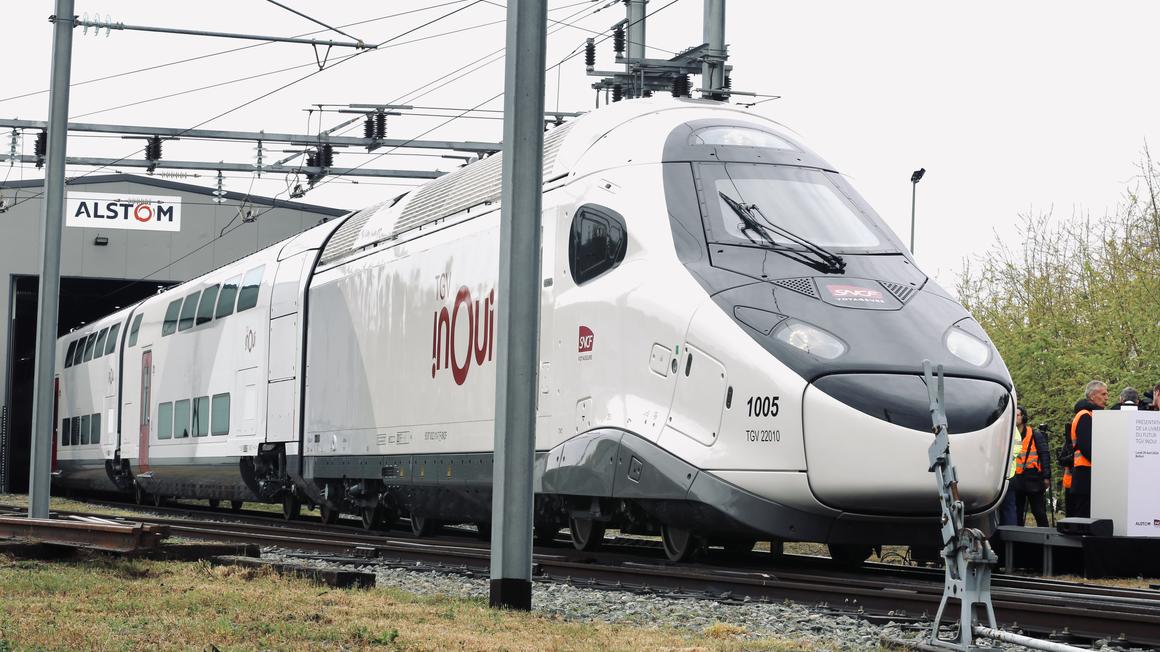
The next generation of France’s high-speed rail network, known as the TGV M, has reached a significant milestone in its path toward full commercial operation. French railway regulators have officially granted key authorization for the trainsets to operate at their maximum design speeds, though this approval comes with a specific operational caveat regarding passenger capacity and weight distribution.
For passengers and rail enthusiasts, this development marks a critical step forward for the SNCF’s flagship project. The TGV M, manufactured by Alstom, is designed to be more energy-efficient and modular than its predecessors. However, the regulatory approval process—managed by France’s national safety authority, the Établissement public de sécurité ferroviaire (EPSF)—requires strict adherence to safety protocols concerning train mass and the distribution of passengers throughout the carriages, particularly when trains are operating at their highest velocity tiers.
Understanding the TGV M Regulatory Framework
The core of the recent decision involves the dynamic behavior of the trains at top speeds. According to documentation from the Établissement public de sécurité ferroviaire (EPSF), the national regulatory body responsible for overseeing railway safety standards in France, new rolling stock must undergo rigorous testing to ensure stability under various load conditions. The “standing passenger” limitation—often referred to in industry parlance as the restriction on high-density capacity—is a standard safety measure applied to high-speed rail to ensure that the center of gravity and braking distances remain within certified parameters.

This means that while the TGV M is technically capable of reaching its top operational speed, the operator must manage the number of passengers per carriage to maintain the safety margins established during the certification phase. For the SNCF Group, this necessitates a more precise management of ticket sales and seat reservations to ensure that load limits are not exceeded during peak travel windows.
Engineering for Efficiency and Capacity
The TGV M, which is part of the Avelia Horizon platform developed by Alstom, represents a major technological shift in the European rail landscape. With a focus on sustainability, the new trains are designed to reduce energy consumption by roughly 20% compared to previous generations. The modular design allows operators to adjust the number of cars based on demand, a feature that aligns with the regulatory requirements for weight and speed management.

From a technical standpoint, the integration of advanced sensors and real-time monitoring systems allows the train’s onboard computer to communicate load data to the driver and the traffic control center. This ensures that if a train exceeds a specific weight threshold, the system can automatically adjust speed limits to maintain safety, a core feature of the Avelia Horizon platform that helps meet modern rail safety standards.
What This Means for Travelers
For the average commuter or tourist traveling through the French high-speed network, the impact of this regulatory decision will be largely invisible, provided the SNCF continues its current reservation-based model. Because the TGV network in France operates almost exclusively on a mandatory-reservation system, the operator is well-positioned to ensure that passenger counts remain within the certified safe limits for high-speed operation.

The primary benefit for the public remains the long-term goal of the TGV M project: increased reliability and a reduced carbon footprint. As the fleet continues to roll out, passengers can expect a more consistent experience, with the added benefit of improved interior designs that prioritize both comfort and digital connectivity. The transition to these trains is a multi-year effort, and the recent authorization provides the legal and safety framework necessary to move into the next phase of deployment across the national network.
Key Takeaways for Rail Passengers
- Regulatory Compliance: The TGV M has passed the necessary safety hurdles to operate at maximum speed, subject to load-management protocols.
- Safety First: The restrictions on passenger density are standard safety measures designed to protect the integrity of the high-speed rail infrastructure.
- Operational Efficiency: The new trainsets are designed for lower energy consumption, supporting the broader European initiative for sustainable transit.
- Seamless Travel: Because TGV services require seat reservations, passengers are unlikely to experience issues with these load-management requirements during normal operations.
Next Steps and Future Updates
The next major checkpoint for the TGV M project involves the ongoing integration of the fleet into the broader SNCF commercial schedule. Stakeholders are monitoring the performance of the first units as they accumulate operational hours in real-world conditions. Interested parties can track official updates via the SNCF Voyageurs portal, which provides the most accurate information regarding fleet deployment and service updates.

As the rollout progresses, we will continue to monitor the technical performance and regulatory milestones of the TGV M project. Do you have questions about how these new trains might change your travel plans, or are you interested in the engineering behind Europe’s high-speed rail advancements? Share your thoughts in the comments section below.
Related reading