
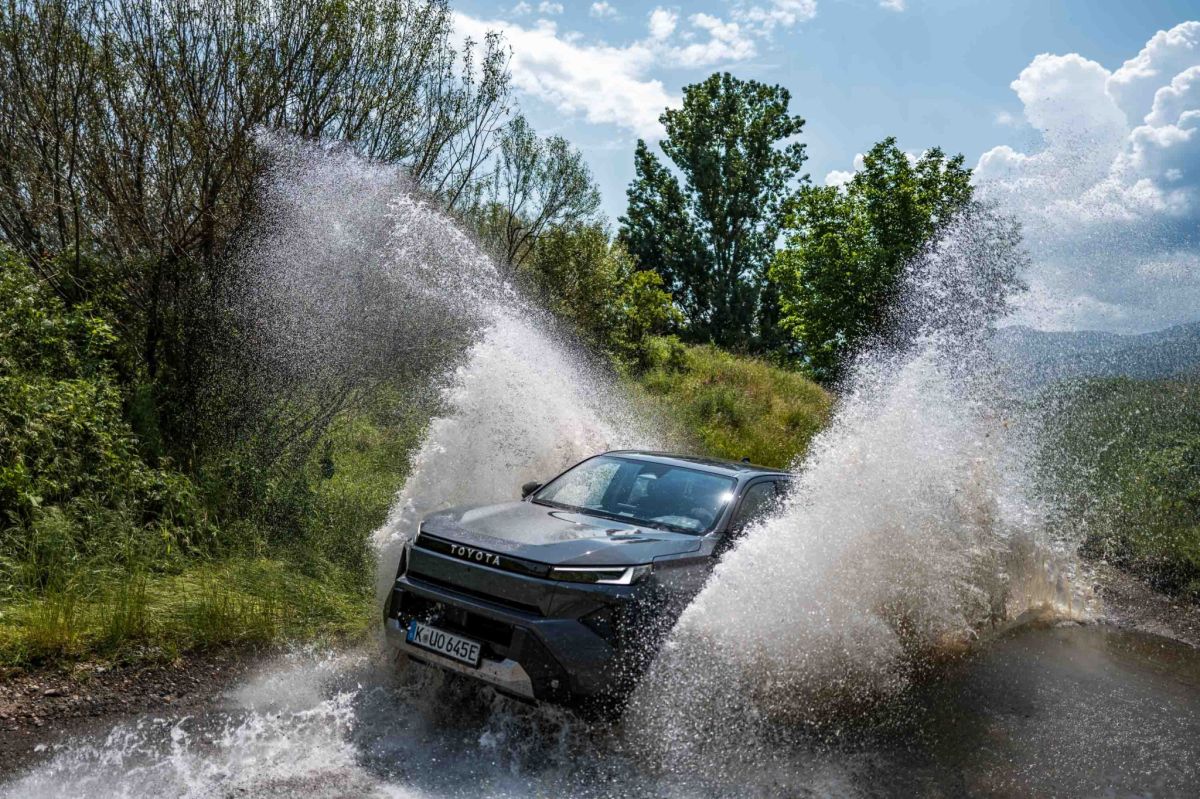
Toyota has continued to evolve its long-standing pickup truck platform, with the latest iterations of the Toyota Hilux maintaining a dominant position in the global mid-size commercial vehicle market. As of early 2024, the manufacturer remains focused on refining the engine efficiency and off-road capability of the ninth-generation Hilux, a vehicle that serves as a cornerstone for Toyota’s utility lineup in international markets ranging from Australia to South Africa and parts of Europe, according to official Toyota powertrain specifications.
The Hilux, which has been in continuous production since 1968, currently utilizes a ladder-frame chassis that engineers have iteratively updated to improve structural rigidity and towing capacity. Recent industry reports confirm that the current generation incorporates a 48-volt mild-hybrid system for its 2.8-liter turbodiesel engine, a move intended to comply with tightening emissions regulations in various global jurisdictions, as detailed by Reuters reporting on the model’s rollout.
Engineering and Powertrain Specifications
The ninth-generation platform centers on the integration of electrification into traditional combustion architecture. By adding a 48-volt battery and a small electric motor-generator to the existing 1GD-FTV diesel engine, Toyota aims to reduce fuel consumption by approximately 6% to 10% compared to non-hybrid versions, according to official press statements from Toyota Australia. This configuration does not transform the vehicle into a full hybrid, but rather assists with stop-start efficiency and provides additional torque during acceleration.

The chassis architecture remains a traditional body-on-frame design, which is preferred by fleet operators and off-road enthusiasts for its durability under heavy loads. The vehicle retains its double-wishbone front suspension and leaf-spring rear setup, a combination that ensures the truck can sustain a payload capacity typically exceeding 1,000 kilograms depending on the specific trim and bed configuration, as noted in Toyota Europe’s technical documentation.
Market Positioning and Reliability
The global reputation of the Hilux is rooted in its historical performance in extreme environments. Market analysts often contrast the Hilux with competitors like the Ford Ranger and the Isuzu D-Max, noting that the Toyota platform relies on a more conservative, long-term durability-focused engineering philosophy. According to data from MarkLines Automotive Industry Portal, the Hilux consistently ranks among the top-selling utility vehicles in emerging markets due to its established service network and parts availability.

For fleet buyers, the total cost of ownership remains a primary driver for selection. The inclusion of the 48-volt system is specifically designed to address fuel costs without requiring the significant infrastructure changes associated with battery-electric vehicles (BEVs). Industry observers at Autocar have highlighted that this transition allows Toyota to extend the lifespan of its internal combustion engine lineup while meeting the 2025 emissions targets set by various regional transport authorities.
Safety and Driver Assistance Systems
Modern iterations of the Hilux are equipped with the Toyota Safety Sense suite, which includes pre-collision systems, lane departure alerts, and road sign assist. These electronic aids are integrated into the vehicle’s electrical architecture, which was updated to support the 48-volt system. According to the European New Car Assessment Programme (Euro NCAP), the Hilux has maintained high safety ratings, though specific scores can vary based on the level of active safety equipment included in local market specifications.
Off-road performance is further supported by an electronic multi-terrain select system, which allows the driver to adjust throttle response and traction control settings based on surface conditions such as mud, sand, or rock. These features are standard on higher-tier trims and are designed to complement the vehicle’s permanent four-wheel-drive system.
What Happens Next for the Hilux Lineup
The next major milestone for the Toyota Hilux involves the potential introduction of a fully electric or hydrogen-powered variant, as the manufacturer continues to test alternative powertrains in its commercial vehicle segment. Toyota has publicly signaled its “multi-pathway” approach to carbon neutrality, which includes the development of fuel-cell prototypes for the Hilux, as reported by the BBC regarding Toyota’s research and development strategy.
Prospective buyers and fleet managers are encouraged to consult their local Toyota dealership for specific model availability and technical specifications, as these vary significantly by region. Readers are invited to share their experiences with the latest Hilux generation in the comments section below to contribute to the ongoing discussion regarding utility vehicle performance and long-term reliability.