
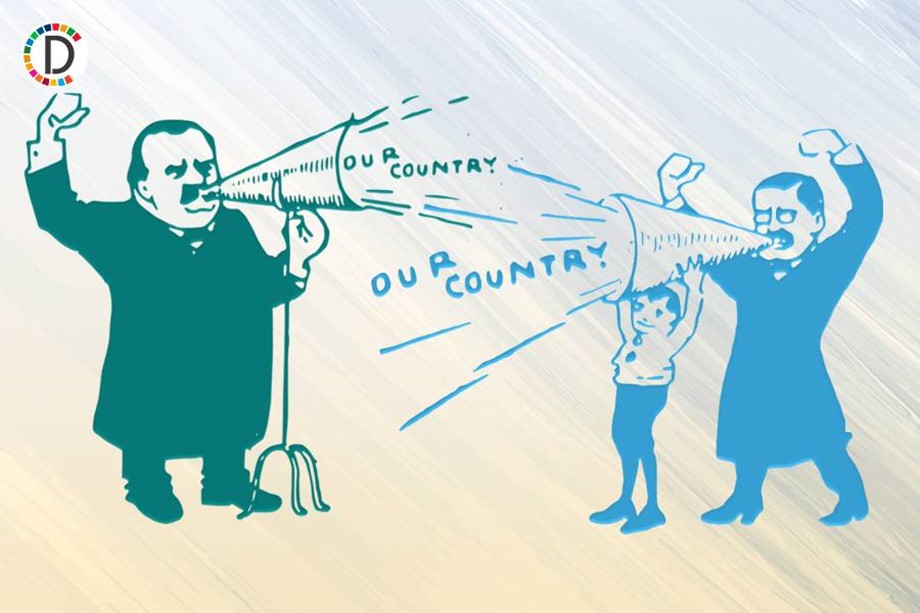
The diplomatic landscape between Washington and Pretoria is currently navigating a period of profound volatility, as the United States and South Africa attempt to stabilize US and South Africa diplomatic ties following a series of high-profile frictions. The appointment of a new American envoy has become a focal point for these tensions, reflecting broader ideological divides between the two nations.
Relations have reached a critical juncture, characterized by what observers describe as a climate of defiance from the South African government. This friction comes at a time when both nations are weighing the necessity of economic cooperation against starkly different domestic and foreign policy priorities, leading to a complex dance of diplomatic confrontation and tentative efforts to rebuild a constructive partnership.
At the center of this diplomatic storm is the confirmation and arrival of the new U.S. Ambassador, whose professional background and political leanings have already sparked significant debate within South Africa’s political establishment. As the two governments seek a way forward, the focus remains on whether shared economic interests can outweigh the growing ideological gap.
A Controversial Appointment in Pretoria
The United States has appointed L. Brent Bozell III as the Ambassador to the Republic of South Africa. Confirmed on December 18, 2025, Bozell enters the role not as a career diplomat, but as a prominent figure in American conservative activism and media. His appointment has been viewed by many in South Africa as a signal of the current U.S. Administration’s approach to bilateral relations.
Ambassador Bozell brings an extensive history of conservative leadership to his post in Pretoria. He is the Founder and President of the Media Research Center (MRC), which stands as the largest conservative media watchdog organization in the United States. Since 1987, the MRC has managed a wide array of platforms, including NewsBusters, MRC Business, and MRC Culture, as well as the news wire CNSNews.com. His influence extends into political organizing through the founding of ForAmerica in 2010, an organization dedicated to restoring the United States to its founding principles.
Beyond media and politics, Bozell has a history of activism regarding cultural standards, having founded the Parents Television Council in 1998 to advocate for decency in Hollywood. His professional trajectory also includes roles as the finance director and president of the National Conservative Political Action Committee and the National Conservative Foundation. This background in ideological advocacy has made him a polarizing figure for the African National Congress (ANC), the dominant party in President Cyril Ramaphosa’s coalition government.
Deepening Diplomatic Frictions
The arrival of Ambassador Bozell has coincided with a visible decline in the warmth of bilateral relations. Reports indicate that South Africa has signaled a sense of defiance in response to the U.S. Government’s current posture. By mid-March 2026, the relationship had fallen to a level that prompted international observers to note the depth of the clash between the two governments via The New York Times.
Much of the tension stems from Bozell’s perceived ideological opposition to the domestic goals of the South African government. Specifically, he has been identified as a controversial choice due to his opposition to efforts by the African National Congress to overturn certain existing structures or policies via BusinessTech. This ideological mismatch has created a challenging environment for the embassy, as the South African government views such oppositions as interference in its internal economic and social transformation agendas.
The friction is not merely personal but systemic. Washington and Pretoria have found themselves at odds over foreign policy stances and the interpretation of domestic legal rulings. Even as the U.S. Maintains its role as a critical trading partner, the diplomatic channel has been strained by public exchanges and a perceived lack of alignment on global human rights and governance issues.
The Path Toward a Bilateral Reset
Despite the public clashes and the controversial nature of the current envoy’s appointment, there are indications that both nations are recognizing the danger of a total diplomatic breakdown. Recent developments suggest that the United States and South Africa are taking steps to rebuild their relations, acknowledging that the economic cost of prolonged hostility is too high for either side.

The drive toward a “reset” is largely fueled by political and economic realities. The United States remains one of South Africa’s most significant trading partners, and the flow of investment and trade is vital for the stability of Africa’s most industrialized economy. Conversely, the U.S. Recognizes South Africa’s pivotal role as a regional leader and its influence within key multilateral bodies and across the African continent.
Analysts suggest that any successful rebuilding of ties will require a shift in tone from both Washington and Pretoria. For Ambassador Bozell, this may involve balancing his conservative convictions with the diplomatic necessity of maintaining a working relationship with a sovereign government that holds vastly different views on economic redistribution and social justice. For the South African government, it involves navigating the demands of a U.S. Administration that is increasingly focused on ideological alignment in its foreign partnerships.
Key Factors Influencing the US-South Africa Relationship
| Driver | Nature of Impact | Primary Stakeholders |
|---|---|---|
| Economic Trade | Stabilizing / Positive | Exporters, Investors, Treasury Departments |
| Ideological Alignment | Destabilizing / Negative | ANC, US Administration, Diplomatic Corps |
| Regional Influence | Strategic / Mixed | African Union, State Department, Pretoria |
| Domestic Policy | Controversial / Negative | Judiciary, Human Rights Groups, US Embassy |
As both nations move forward, the success of this diplomatic reset will likely be measured by the ability of the U.S. Embassy in Pretoria to move past the initial friction of Bozell’s appointment and establish a functional dialogue on trade and security. The transition from the tenure of former Ambassador Reuben Brigety to the current administration marks a significant shift in the style of American diplomacy in the region—one that is more overtly ideological and less focused on traditional diplomatic neutrality.
The next critical checkpoint for these relations will be the upcoming bilateral trade reviews and the continued engagement between the U.S. State Department and the South African Department of International Relations and Cooperation. Whether these meetings result in a genuine partnership or a mere truce remains to be seen.
We invite our readers to share their perspectives on the evolving relationship between the US and South Africa in the comments section below. Please share this report to keep the global community informed on these critical geopolitical shifts.