
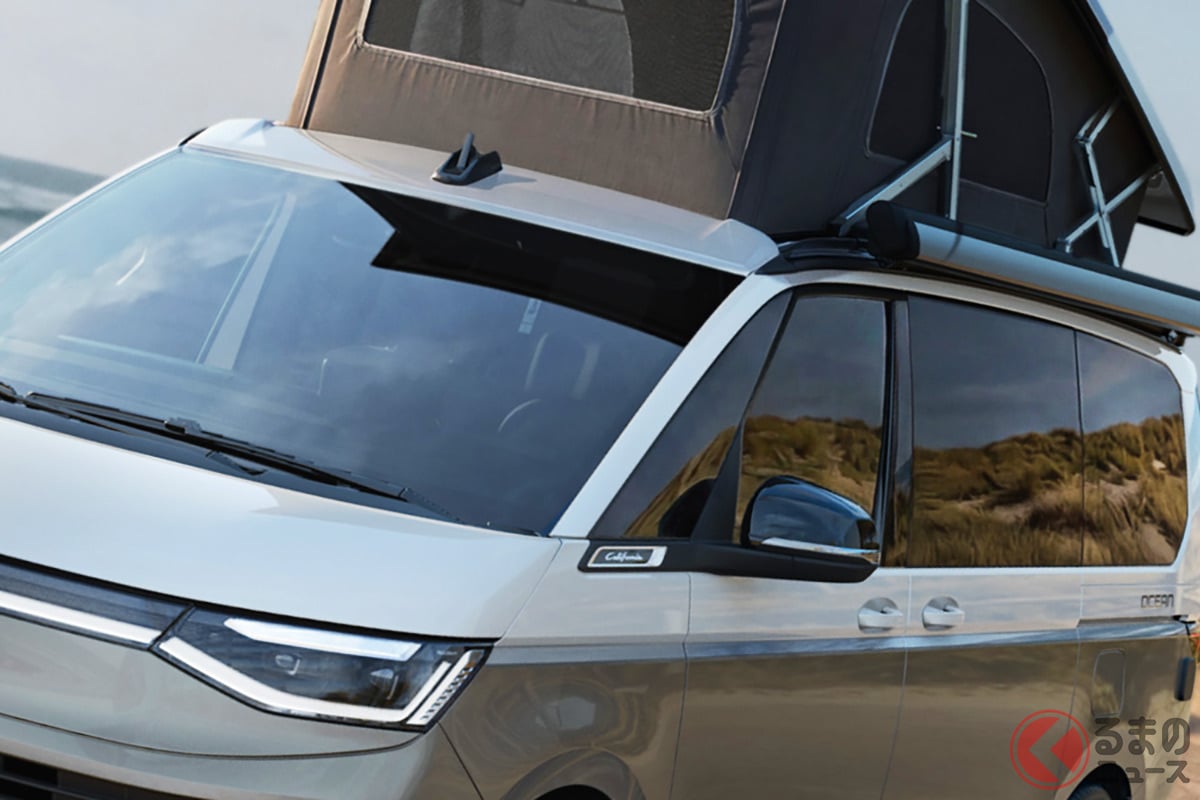
Volkswagen Commercial Vehicles has officially opened orders for the new California camper van, a redesigned iteration of its iconic mobile living vehicle built on the Multivan platform. The updated model features an extended chassis reaching approximately 5.1 meters in length, offering a larger interior footprint than previous generations while introducing a modernized digital interface and enhanced modular living space. According to the manufacturer’s official release, the latest California integrates hybrid powertrain options for the first time, signaling a shift toward electrified long-distance travel in the recreational vehicle sector.
The transition to the MQB platform allows the new California to offer a more versatile interior layout, addressing long-standing user feedback regarding storage and accessibility. Volkswagen Commercial Vehicles confirmed that the vehicle now features dual sliding doors as standard, a significant departure from the previous T6.1 model which typically offered access primarily from the passenger side. This design adjustment aims to improve flow between the exterior awning setup and the internal kitchenette, which has been re-engineered to remain accessible even when the bed is deployed.
Engineering the New California Platform
The move to a 5.1-meter length represents a strategic increase in size, positioning the vehicle between standard passenger vans and larger, coach-built motorhomes. Volkswagen Commercial Vehicles stated that this increased length provides the necessary room for a more sophisticated kitchen unit and an integrated control system that manages lighting, climate, and battery levels via a roof-mounted touchscreen or a dedicated smartphone application. The vehicle’s dimensions are designed to maintain compatibility with standard parking infrastructure while maximizing internal cubic volume, a balance the company has prioritized to maintain the model’s status as a daily-drivable camper.

Technical specifications provided by Volkswagen Commercial Vehicles highlight the inclusion of a plug-in hybrid (eHybrid) powertrain, which combines a 1.5-liter TSI engine with an electric motor to provide all-wheel-drive capability. This configuration is intended to offer a balance between fuel efficiency for long-haul highway driving and silent, emissions-free operation in urban environments or campsites. The integration of 4MOTION all-wheel drive is a notable update for owners who frequent off-road campsites or travel in varied weather conditions.
Digital Integration and Cabin Comfort
Interior design in the new California focuses on the “living room” concept, replacing traditional analog controls with a centralized digital ecosystem. The cabin allows users to monitor solar energy input, water tank levels, and battery health through the infotainment display or the “California” app. According to the brand’s official newsroom, the seats are now fully removable, allowing the van to function as a cargo hauler or a multi-passenger vehicle when not being used for camping. This modularity is a direct response to the demand for vehicles that serve as both primary daily transport and weekend recreational gear.
The pop-up roof—a signature element of the California series—remains a focal point of the design. It is now operated via an electro-hydraulic mechanism that can be controlled through the digital interface. Enhanced insulation materials have been used in the bellows to improve thermal performance, a change implemented to extend the vehicle’s usability into cooler shoulder seasons. The sleeping arrangements have been refined to include a more ergonomic mattress system, supported by a slatted frame designed for improved ventilation and comfort compared to the previous foam-based setups.
Market Positioning and Future Availability
The new California is positioned to compete in the premium van-conversion market, where demand for factory-integrated solutions has grown as buyers move away from aftermarket modifications. Industry analysts note that by utilizing the Multivan platform, Volkswagen has managed to incorporate advanced driver-assistance systems (ADAS) that were previously unavailable in the California range, including adaptive cruise control, lane-keeping assist, and automated emergency braking. These systems are part of the broader effort to align the camper experience with the safety standards of modern passenger vehicles.

Prospective buyers can monitor specific regional availability and pricing through the official Volkswagen Commercial Vehicles portal, which serves as the primary source for localized configuration options. While the vehicle is currently rolling out across European markets, the manufacturer has not yet released a definitive timeline for global distribution beyond the initial launch territories. Dealers are expected to receive demonstration units in the coming months, providing the first opportunity for hands-on inspections of the new modular interior and the hybrid drivetrain performance.
The next major update regarding the California line is expected to arrive with the release of the long-wheelbase “Grand California” variants, which are slated for further refinement in the next fiscal cycle. Interested readers are encouraged to monitor the official Volkswagen press channels for updates on regional release dates and local specifications. Share your thoughts on the new hybrid powertrain or the updated interior layout in the comments section below.