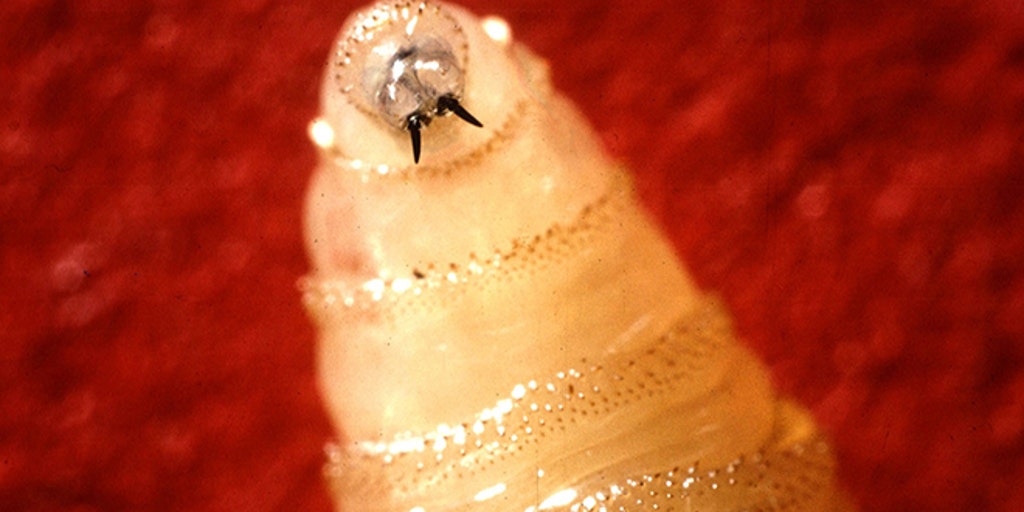
The New World screwworm, a parasitic fly larva capable of causing severe tissue damage in mammals, has prompted heightened surveillance across the southern United States as agricultural authorities work to prevent a widespread infestation. Federal and state agencies are currently providing updated guidance and monitoring protocols to manage the risks posed by this pest, which primarily impacts livestock but can affect other warm-blooded animals, including domestic pets.
According to the United States Department of Agriculture (USDA) Animal and Plant Health Inspection Service, the New World screwworm is a reportable foreign animal disease. The parasite was officially eradicated from the United States in 1966 through the innovative use of the sterile insect technique, which involves releasing sterilized male flies to disrupt the reproductive cycle. The current focus on monitoring follows concerns regarding the potential for reintroduction and the impact of environmental shifts on parasite migration patterns.
Understanding the New World Screwworm
The New World screwworm (*Cochliomyia hominivorax*) is not a typical fly; its larvae feed exclusively on the living tissue of warm-blooded animals. Unlike other blowfly species that consume decaying matter, these larvae burrow into open wounds, creating deep, pocket-like lesions that can lead to secondary infections and, if left untreated, mortality in hosts. The Centers for Disease Control and Prevention (CDC) notes that while human cases are extremely rare in the U.S., the parasite remains a significant threat to the agricultural sector.
For ranchers and pet owners, the primary sign of an infestation is a wound that appears to be healing poorly or producing an unusual discharge. The larvae typically cluster in the wound, and their movement can often be observed by the naked eye. Because the parasite can complete its life cycle in as little as three weeks, rapid identification is essential to stopping the spread within a herd or among household animals. Veterinary professionals emphasize that any suspected case must be reported to state or federal animal health officials immediately to initiate necessary containment measures.
Public Resources and Reporting Protocols
To assist the public and agricultural stakeholders, the USDA maintains an active information portal regarding foreign animal diseases. Ranchers, veterinarians, and pet owners are encouraged to utilize the USDA Animal Health Reporting System to flag suspicious lesions or unusual fly activity. The agency provides localized maps and diagnostic support to ensure that suspected cases are handled by trained entomologists and veterinary pathologists.

State-level responses, particularly in regions like Texas, often involve coordination between the Texas Animal Health Commission and federal partners. These agencies provide guidance on how to secure livestock, the importance of maintaining proper fencing, and the necessity of treating minor wounds on animals promptly to ensure they do not become attractive sites for egg-laying flies. The Texas Animal Health Commission has historically utilized these protocols to manage potential outbreaks and protect the state’s multi-billion dollar livestock industry.
Environmental Factors and Geographic Spread
The potential for the screwworm to spread is heavily influenced by temperature and humidity. The flies thrive in warm, tropical, and subtropical climates. During the summer months, higher temperatures can accelerate the life cycle of the parasite, while also expanding the geographic range where the flies can survive and reproduce. According to research published by the USDA Agricultural Research Service, monitoring the northern movement of these insects is a critical component of the agency’s ongoing border protection strategies.
While the threat remains managed, the history of the screwworm in the United States serves as a reminder of the economic stakes involved. Before its eradication, the parasite cost the U.S. livestock industry tens of millions of dollars annually in lost productivity and animal deaths. Modern surveillance systems are designed to detect the presence of the flies long before they reach the levels of infestation seen in the early 20th century. By combining real-time reporting from the field with laboratory analysis, authorities maintain a buffer that protects both domestic animals and the broader food supply chain.
Next Steps for Livestock Owners
The next scheduled update regarding foreign animal disease surveillance will be provided through the USDA’s quarterly monitoring reports, which are published on the agency’s official website. For individuals concerned about the health of their livestock or pets, the most effective step is to maintain regular veterinary check-ups and consult the official guidance provided by the USDA APHIS. If you have encountered a suspected case or have questions regarding preventative care, please consult your local veterinarian or contact your state department of agriculture to ensure you are following the most recent, verified protocols for your region.

Related reading