
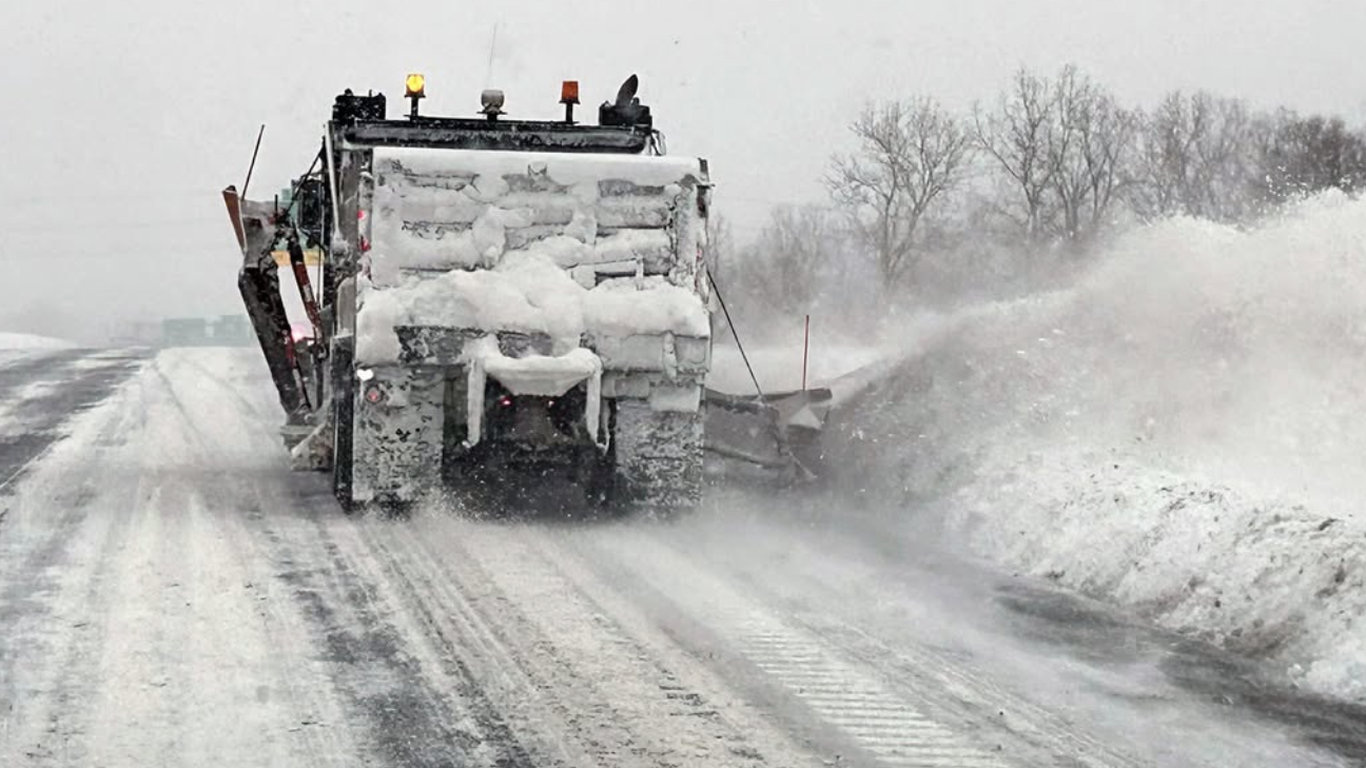
Severe Winter Weather Threatens New Year’s Eve Travel Across the Eastern US
A potent combination of snow squalls, an Alberta clipper, and arctic air is poised to disrupt New Year’s Eve celebrations and travel plans across a large swath of the Eastern United states. You should be prepared for hazardous conditions, especially if you’re traveling in the Great Lakes, Ohio Valley, or Northeast.
Hear’s a breakdown of what you need to know:
What’s Happening?
* The National Weather Service (NWS) warns of perhaps hazardous driving conditions due to sudden, intense bursts of snow known as snow squalls. These squalls combine heavy snowfall with strong, gusty winds, creating near-whiteout conditions.
* An Alberta clipper – a fast-moving low-pressure system – is reinforcing the existing winter weather,bringing additional snow showers to the region.
* Blustery winds will amplify the arctic chill, with temperatures potentially dropping to freezing as far south as central Florida.
Where is the Greatest Risk?
* The heaviest snow bands are expected south of Buffalo, New York, encompassing areas like Syracuse, Tug Hill, and extending into Erie, Pennsylvania.
* Areas across the upper Midwest and Northern Plains, as well as interior New England, can anticipate snow showers, though impacts are expected to be less severe.
* A band of light snow is forecast to spread into the Ohio valley on New Year’s Eve, reaching the western slopes of the Central Appalachians by New Year’s Day.
What Should You Do?
* If you live in an affected area, consider avoiding unneeded travel.
* If travel is unavoidable, check road conditions before you leave and allow for extra time.
* Be prepared for drastically reduced visibility and slippery roads.
* Dress warmly in layers if you must be outdoors, protecting exposed skin from the extreme cold.
State and Local Preparations
* New York Governor Kathy Hochul has urged residents to exercise caution and avoid travel in areas experiencing heavy snow and winter storms.
* Local authorities are monitoring the situation and preparing for potential impacts.
Recent Weather Context
* This severe weather follows closely on the heels of a powerful bomb cyclone that brought blizzard conditions to the Midwest and Great Lakes earlier this week.
* The current lake-effect snow impacting the Great Lakes is a lingering effect of that notable weather system.
Staying informed
* Continue to monitor forecasts from the National Weather Service for the latest updates.
* Check with your local transportation authorities for road closures and travel advisories.
* Stay connected with local news sources for real-time facts.
This is a dynamic weather situation, and conditions can change rapidly.Prioritizing your safety and staying informed are crucial as you head into the New Year’s holiday.


